
Are you waking up with a sore jaw or headaches that just won’t go away? You might be grinding your teeth without even realizing it.
Teeth grinding can harm your smile and cause discomfort, but the good news is—you can take steps to stop it. You’ll discover simple, effective ways to reduce teeth grinding and protect your teeth. Keep reading to find out how to regain comfort and keep your smile healthy.

Credit: kigodental.com
Causes Of Teeth Grinding
Stress and anxietyoften cause teeth grinding. When the mind feels tense, the jaw tightens. This happens mostly during sleep or times of worry.
Sleep disorderslike sleep apnea can trigger grinding. Interrupted sleep makes muscles work harder, including jaw muscles.
Misaligned teethcause uneven contact between teeth. This forces the jaw to grind to find comfort. Crooked teeth increase the risk.
Lifestyle factorssuch as caffeine, smoking, and alcohol raise chances of grinding. These can make muscles restless and lead to clenching.
Signs And Symptoms
Jaw painand headachesare common signs of teeth grinding. These pains often occur in the morning. The muscles around the jaw may feel sore or tired. This discomfort can last for several hours.
Worn teethhappen because of constant grinding. The edges of teeth become flat or chipped. This can make teeth more sensitive to hot or cold foods. Over time, teeth may appear shorter or damaged.
Sleep disruptionsoccur due to grinding noises. Loud grinding can wake a person or their partner. This breaks the natural sleep cycle. Poor sleep can cause tiredness during the day.
Lifestyle Changes To Reduce Grinding
Stress can cause teeth grinding.Try deep breathing or meditation to calm your mind. Regular exercise also helps reduce tension. Talking to a friend or counselor can ease stress too.
Good sleep helps stop grinding.Keep a regular bedtime and wake-up time. Avoid screens like phones or TVs before bed. Create a quiet, dark room for better rest.
Avoid stimulants like caffeine and nicotine.These can make your muscles tense and increase grinding. Try herbal tea or water instead. Avoid these especially in the evening.

Credit: www.smiledentalturkey.com
Dental Treatments
Stress relief techniques and wearing a mouth guard can help reduce teeth grinding. Avoid caffeine and maintain a relaxing bedtime routine to protect your teeth.
Custom Mouthguards
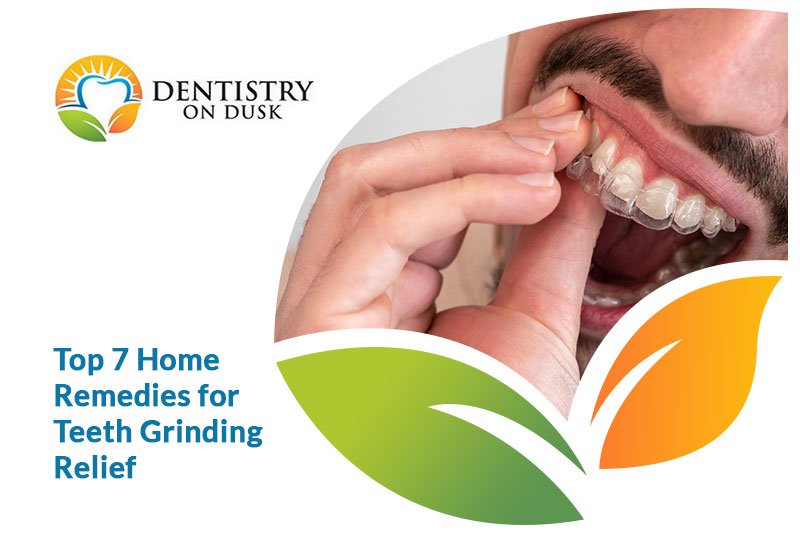
Custom mouthguardsprotect teeth from grinding during sleep. They fit your mouth perfectly. These guards reduce jaw pressure and prevent damage. Made by dentists using molds of your teeth. Comfortable and easy to wear every night. They help lessen headaches and jaw pain caused by grinding.
Dental Correction Options
Sometimes, teeth grinding comes from misaligned teeth. Dental correctioncan fix this problem. Options include braces or reshaping teeth. These treatments help your bite work better. Correcting your bite reduces grinding and discomfort. Dentists check your teeth and suggest the best choice for you.
Home Remedies And Exercises
Jaw relaxation exerciseshelp ease tension in the muscles. Slowly open your mouth wide, then gently close it. Repeat this 5 to 10 times. You can also move your jaw side to side in a slow, smooth motion. These simple moves reduce muscle tightness and calm your jaw.
Warm compress applicationhelps relax stiff muscles. Use a clean cloth dipped in warm water. Wring out the excess water and place it on your jaw for 10 minutes. The warmth increases blood flow and soothes pain. Try this several times a day for best results.

Credit: www.youtube.com
When To See A Dentist
Persistent symptomslike jaw pain, headaches, or tooth sensitivity need attention. These signs show that teeth grinding may be causing harm.
Severe tooth damageincludes cracked, chipped, or worn teeth. This damage can lead to pain and difficulty eating.
Visiting a dentist early helps stop further damage. Dentists can suggest treatments like mouth guards or stress relief techniques to protect teeth and reduce grinding.
Frequently Asked Questions
What Are Common Causes Of Teeth Grinding?
Teeth grinding often results from stress, anxiety, sleep disorders, or misaligned teeth. Identifying triggers helps in managing the habit effectively.
How Can Stress Reduction Help With Teeth Grinding?
Reducing stress through relaxation techniques lowers muscle tension, decreasing teeth grinding frequency. Practices like meditation and deep breathing are beneficial.
Are Mouthguards Effective For Teeth Grinding?
Yes, custom-fitted mouthguards protect teeth by cushioning the jaw. They prevent damage and reduce grinding during sleep.
Can Lifestyle Changes Reduce Teeth Grinding?
Avoiding caffeine, alcohol, and smoking can lessen teeth grinding. Establishing a calming bedtime routine also promotes better sleep and less grinding.
Conclusion
Reducing teeth grinding takes time and patience. Practice stress relief daily to calm your mind. Use a mouthguard to protect your teeth at night. Avoid caffeine and alcohol before bedtime. Try gentle jaw exercises to ease muscle tension. Stay consistent with these simple habits.
Notice positive changes in your smile and comfort. Small steps lead to big improvements. Keep caring for your teeth and overall health. You can reduce grinding and feel better soon.