

Are you tired of dealing with thick smoke every time you fire up your gas grill? Excess smoke can ruin the taste of your food and make grilling less enjoyable.
But the good news is, you don’t have to put up with it. By making a few simple changes, you can enjoy clearer flames and cleaner cooking. You’ll discover easy tips to reduce smoke on your gas grill, so your meals come out juicy, tasty, and smoke-free.
Keep reading—your perfect grilling experience is just a few steps away!
Common Causes Of Excessive Smoke
Excessive smoke on a gas grill can affect the taste of your food. It can also be a sign of problems that need fixing. Knowing the causes helps you grill better and cleaner.
Four main causes of too much smoke are grease buildup, fatty foods, high heat settings, and using lighter fluid. Each cause creates smoke in a different way.
Grease Buildup
Grease from food and marinades can collect inside your grill. When the grease heats up, it burns and creates thick smoke. This smoke can give your food a bitter flavor.
Cleaning your grill often stops grease buildup. Wiping down surfaces and removing grease trays help keep smoke low.
Fatty Foods
Fatty foods like burgers and sausages drip fat onto the grill flames. The fat burns quickly and creates smoke. The more fat that drips, the more smoke you will see.
- Choose lean cuts of meat to reduce fat drips
- Trim excess fat before grilling
- Use a drip pan to catch falling fat
- Cook fatty foods at lower heat levels
High Heat Settings
Setting the grill to very high heat can cause food and grease to burn fast. This burning creates a lot of smoke. High heat also makes it hard to control flare-ups.
| Heat Setting | Effect on Smoke |
| Low to Medium | Less smoke, slower cooking |
| High | More smoke, risk of burning |
Using Lighter Fluid
Using lighter fluid can add chemicals that burn with thick smoke. The smoke can leave a bad taste on your food. Avoid using lighter fluid on gas grills to keep smoke low.
Tips to avoid smoke from lighter fluid:
- Use the grill’s built-in ignition system.
- Allow burners to warm before adding food.
- Keep lighter fluid away from gas grills.
Preparing The Grill To Minimize Smoke
Reducing smoke on a gas grill starts with good preparation. Clean parts and proper checks lower smoke levels.
Follow these tips to prepare your grill before cooking. This helps keep smoke to a minimum and food tastes better.
Cleaning The Grill Grates
Dirty grill grates cause smoke by burning leftover food and grease. Clean grates give better heat and less smoke.
- Preheat the grill for 10 minutes to loosen debris.
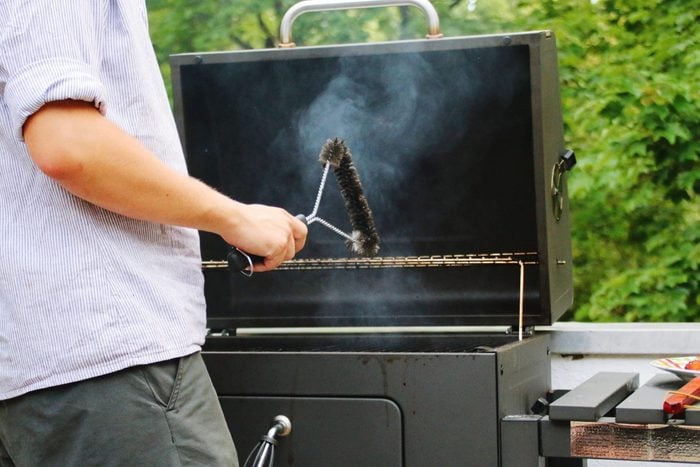
- Use a wire brush to scrape off burnt bits.
- Wipe grates with a damp cloth to remove residue.
- Oil the grates lightly to prevent sticking.
Emptying The Drip Pan
The drip pan collects fat and juices. If full, it can catch fire and cause heavy smoke.
| Task | Reason |
| Check drip pan before grilling | Prevents grease fires and smoke |
| Empty and clean drip pan regularly | Keeps grill safe and smoke low |
| Use foil to line drip pan | Makes cleaning faster and easier |
Checking Gas Supply And Burners
Proper gas flow keeps burners working well. Low or uneven gas causes flames to sputter and smoke to rise.
- Inspect gas hose for cracks or leaks.
- Make sure propane tank is full or gas line is steady.
- Clean burner ports with a brush to clear blockages.
- Light burners and watch for steady, blue flames.
Choosing The Right Foods And Marinades
Reducing smoke on a gas grill starts with what you cook. Some foods create more smoke than others. The right choices help keep your grill clean and your food tasty.
Marinades also affect smoke levels. Using the right marinades can lower smoke and improve flavor without burning.
Selecting Lean Cuts
Fat causes flare-ups and smoke on the grill. Choosing lean cuts reduces this problem. Lean meats drip less fat, making grilling smoother.
- Choose skinless chicken breasts instead of thighs
- Pick sirloin or round steak over ribeye or brisket
- Use lean ground meats with less than 10% fat
- Trim visible fat from pork chops and ribs
Avoiding Sugary Marinades
Sugary marinades burn quickly and cause heavy smoke. To keep smoke low, avoid marinades high in sugar. Opt for herbs, spices, and oils instead.
| Marinade Type | Smoke Risk |
| Honey or Brown Sugar Based | High |
| Ketchup or BBQ Sauce | High |
| Oil and Herb Mix | Low |
| Citrus and Vinegar Mix | Low |
Patting Foods Dry
Moisture on food creates steam and smoke. Patting foods dry before grilling lowers this. It also helps food brown better without sticking.
- Use paper towels to absorb surface moisture
- Pat meats, fish, and vegetables before placing on grill
- Dry foods marinated in liquids before grilling
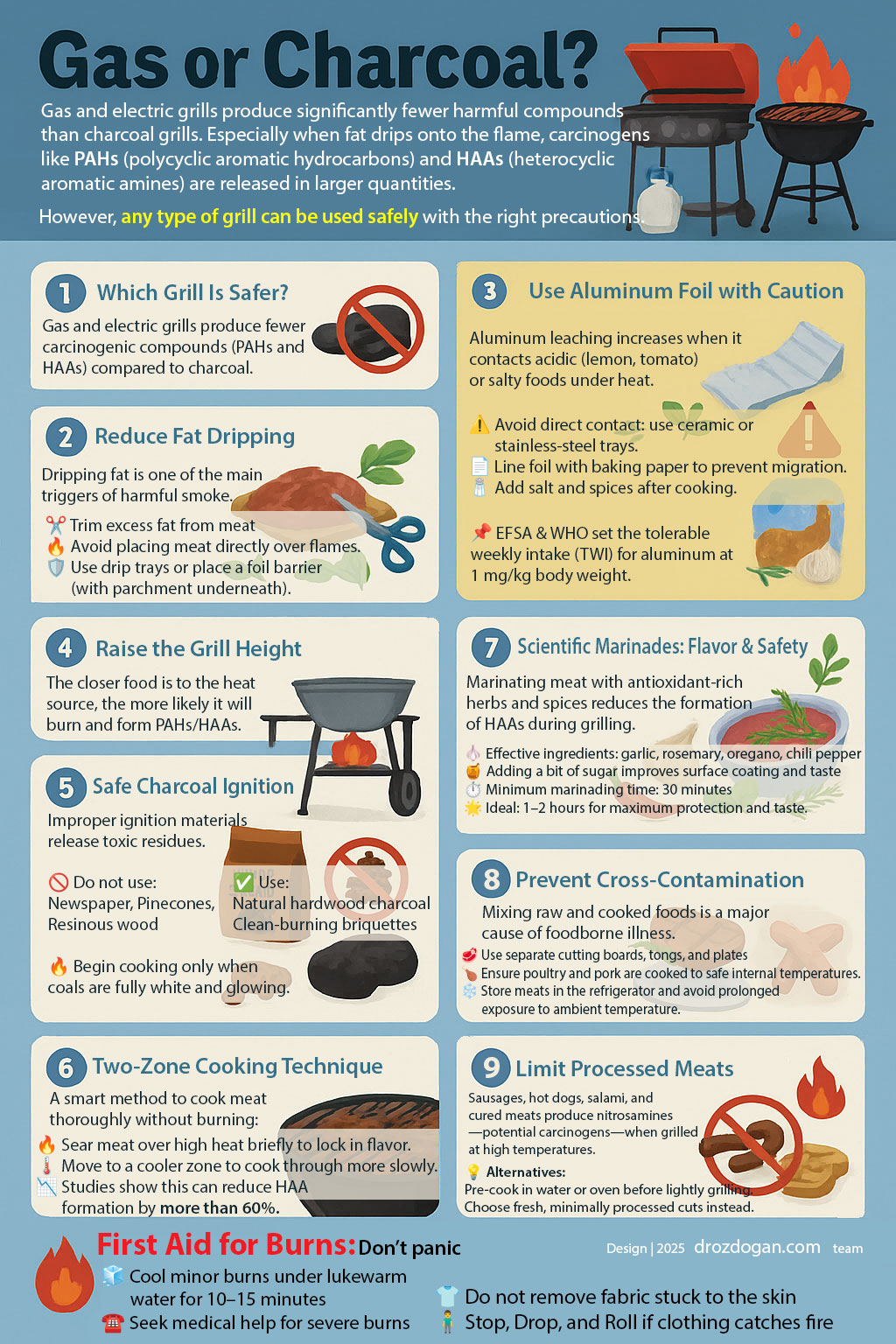
Credit: www.drozdogan.com
Optimal Cooking Techniques
Reducing smoke on a gas grill helps food taste better. Using the right cooking techniques keeps the grill clean and safe.
These tips focus on managing heat, using indirect heat, and controlling flare-ups. They help lower smoke and improve grilling results.
Managing Heat Zones
Create different heat zones on your grill by adjusting burners. Use high heat for searing and low heat for cooking through.
Cooking food over the right heat reduces fat burning, which lowers smoke. It also helps avoid burning food.
- Turn one burner on high and another on low or off
- Place thicker foods over low heat
- Use high heat only for quick searing
Using Indirect Heat
Indirect heat means cooking food away from the flame. This stops fats from dripping directly on burners, reducing smoke.
Place food on the cooler side of the grill. Close the lid to cook evenly without flare-ups or heavy smoke.
- Turn off one burner and leave another on
- Put food on the burner that is off
- Close the lid to trap heat and cook food well
Controlling Flare-ups
Flare-ups cause sudden flames and thick smoke. They happen when fat drips onto hot burners or coals.
Keep flare-ups low by trimming fat and moving food away from flames quickly. Clean your grill regularly to avoid buildup.
- Trim excess fat from meat before grilling
- Keep a spray bottle of water nearby
- Move food away from flames if flare-ups start
- Clean grill grates and drip trays often
Tools And Accessories To Reduce Smoke
Smoke from a gas grill can affect the flavor of your food and the grilling experience. Using the right tools helps lower smoke levels. Some accessories can catch drips or control heat better.
This guide covers useful tools like drip pans, grill mats, and smoker boxes. Each tool works in a different way to reduce smoke and improve grilling results.
Drip Pans And Foil Trays
Drip pans and foil trays catch grease and juices that fall from food. This stops flare-ups that cause thick smoke. They also make cleaning the grill easier.
- Place drip pans below the food to catch drips
- Use foil trays for easy disposal of grease
- Choose pans that fit your grill size properly
- Replace pans regularly to avoid buildup
Grill Mats And Baskets
Grill mats create a barrier between food and the grill grates. They stop small drips from hitting flames. Grill baskets hold small or delicate foods, reducing grease drops that cause smoke.
| Accessory | Function | Benefit |
| Grill Mat | Barrier on grill surface | Prevents flare-ups and smoke |
| Grill Basket | Holds small or loose items | Reduces grease dripping |
Smoker Boxes
Smoker boxes hold wood chips for added flavor. They also help control smoke by keeping chips contained. Placing a smoker box on your gas grill adds a mild smoky taste without heavy smoke clouds.
- Fill smoker box with wood chips
- Place box on grill near heat source
- Close grill lid to trap smoke inside
- Check chips and refill as needed
Maintenance Tips For Less Smoke
Reducing smoke on a gas grill improves the taste of your food. Proper maintenance keeps your grill working well.
Follow simple cleaning and inspection steps to lower smoke and avoid flare-ups.
Regular Deep Cleaning
Clean your gas grill deeply after every few uses. This removes grease and food bits that cause smoke.
- Remove grill grates and scrub with a grill brush.
- Clean burner protectors and heat shields.
- Empty and clean the grease trap.
- Wipe down the grill interior and exterior.
Checking For Gas Leaks
Gas leaks can create unsafe conditions and cause uneven flames that produce smoke. Test your grill regularly.
How to check for gas leaks:
- Mix water with dish soap in a spray bottle.
- Turn on the gas without lighting the grill.
- Spray the soapy water on all gas connections.
- Look for bubbles, which show leaks.
- Tighten connections or replace parts if needed.
Replacing Worn Parts
Old or damaged parts can cause smoke by burning grease and food scraps. Replace these parts to keep your grill clean.
| Part | Common Issue | Replacement Tip |
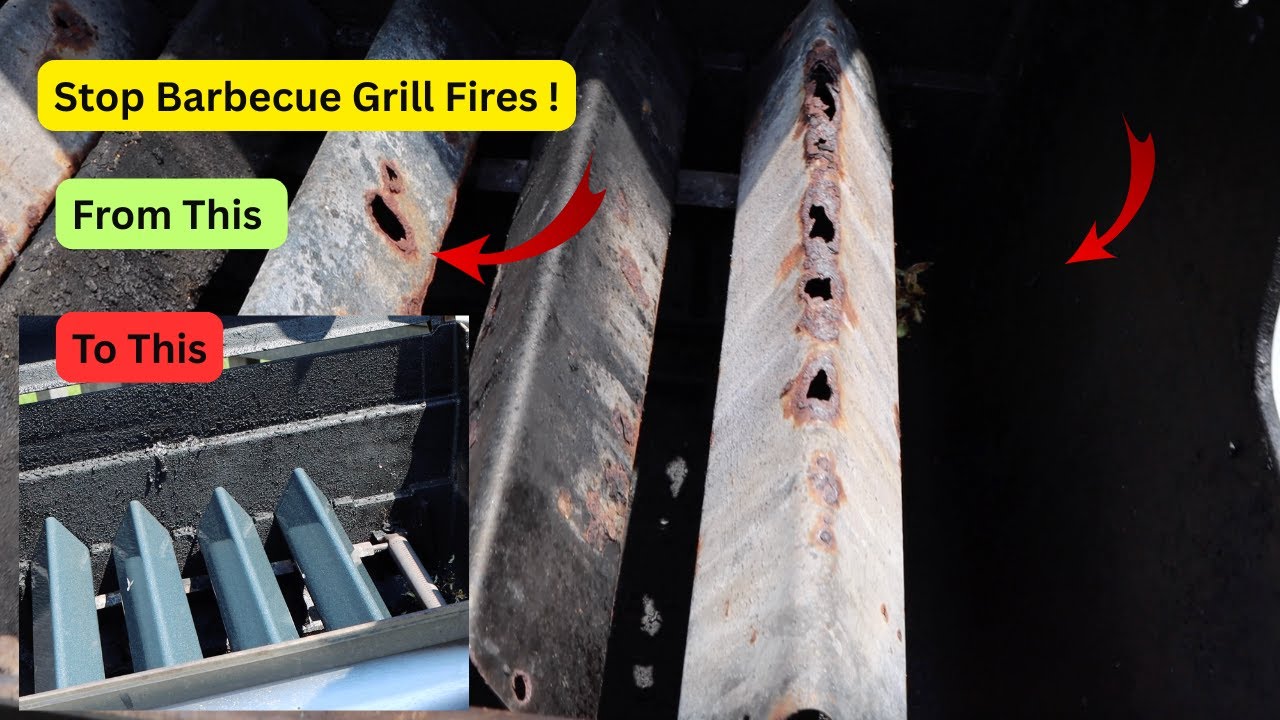
| Burner | Clogged or rusty burners cause flare-ups | Buy exact model replacements |
| Igniter | Faulty ignition leads to gas leaks | Test regularly and replace if weak |
| Grease Tray | Overflowing grease causes smoke | Clean often or replace if cracked |
Safety Precautions When Grilling
Grilling with a gas grill can be safe if you follow simple rules. Smoke from the grill can cause problems if you are not careful.
Taking safety steps helps reduce smoke and keeps everyone safe around the grill.
Proper Ventilation
Good airflow is very important when grilling. It helps smoke move away from you and the food.
Always grill in an open space or a place with enough fresh air. Avoid grilling in closed or small areas.
- Keep grill lids open for better air flow
- Use fans if grilling in a covered area
- Do not block grill vents
Fire Extinguisher Readiness
Always have a fire extinguisher nearby when grilling. It helps you act fast if flames get out of control.
Know how to use the extinguisher before you start grilling. Keep it within easy reach at all times.
- Check extinguisher pressure regularly
- Use a fire extinguisher rated for grease fires
- Do not use water on grease flames
Avoiding Overcrowding
Do not put too much food on the grill at once. Crowding causes flare-ups and more smoke.
Leave space between items so heat and air can flow properly. This reduces smoke and cooks food evenly.
- Place food with gaps between pieces
- Grill in batches if needed
- Keep grill clean to avoid flare-ups
Credit: www.youtube.com
Credit: www.familyhandyman.com
Frequently Asked Questions
How Can I Reduce Smoke On My Gas Grill?
To reduce smoke, clean your grill regularly and avoid excess grease buildup. Use lean cuts of meat and cook at moderate temperatures to prevent flare-ups and smoke.
Why Does My Gas Grill Produce Excessive Smoke?
Excessive smoke often results from grease dripping onto burners or cooking food at too high heat. Regular cleaning and controlling temperature can minimize smoke production.
What Foods Cause The Most Smoke On A Gas Grill?
Fatty meats like sausages and burgers produce more smoke due to dripping grease. Choose leaner cuts or trim excess fat to reduce smoke on your grill.
How Does Temperature Affect Smoke On A Gas Grill?
High temperatures cause fat to burn quickly, creating more smoke. Cooking at medium heat helps avoid flare-ups and reduces smoke while ensuring food cooks evenly.
Conclusion
Reducing smoke on your gas grill makes cooking more enjoyable. Keep the grill clean and avoid fatty foods that drip. Use moderate heat and close the lid to control smoke. Choose lean cuts and trim excess fat before grilling. These small steps help you grill tasty food with less smoke.
Enjoy your meals and spend more time with friends and family outdoors. Simple changes make a big difference in your grilling experience.