
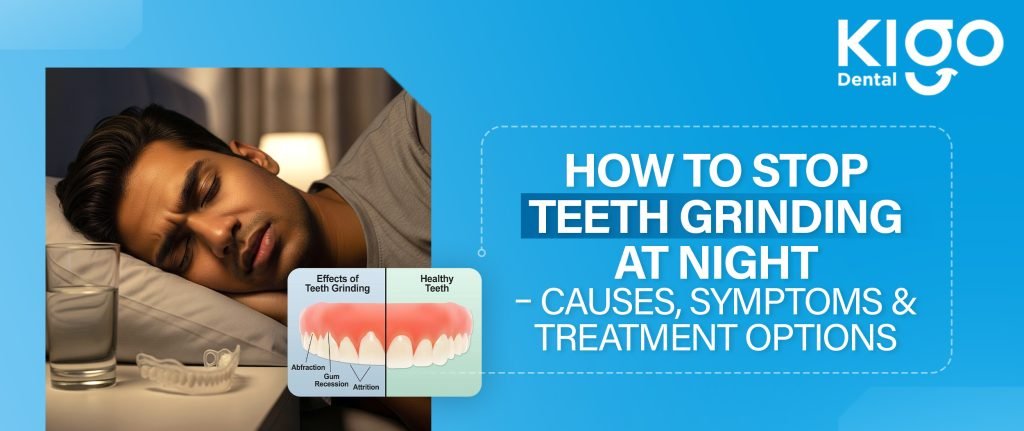
Do you often wake up with a sore jaw or headaches? You might be grinding your teeth without even realizing it.
Teeth grinding, or bruxism, can damage your teeth and disrupt your sleep. But the good news is, you don’t have to live with this problem. You’ll discover simple and effective ways to reduce grinding your teeth and protect your smile.
Keep reading, and take the first step toward relief and better sleep tonight.
Credit: adofw.com
Causes Of Teeth Grinding
Stress and anxietyoften cause teeth grinding. Tension in the mind can lead to clenching the jaw unknowingly. This happens especially during sleep or quiet moments.
Sleep disorderslike sleep apnea can trigger grinding. Interrupted sleep affects muscle control around the jaw. This causes the teeth to grind as the body reacts.
Misaligned teethcreate uneven contact when biting. This can cause discomfort and lead to grinding to adjust the bite. Dental issues often play a big role.
Lifestyle factorssuch as caffeine, smoking, and alcohol increase grinding risk. These substances affect muscles and nerves. Poor habits often worsen the problem over time.
Symptoms And Risks
Jaw pain and headachesare common signs of teeth grinding. The muscles around your jaw may feel sore or tight. This can cause frequent headaches, especially in the temples. People often feel discomfort when waking up.
Tooth damagehappens over time. Grinding wears down tooth enamel, making teeth more sensitive. Cracks or chips in teeth can occur. This damage may lead to cavities and other dental problems.
Sleep disruptionaffects both the grinder and their partner. Grinding makes it hard to stay asleep. Loud noises can wake others up. Poor sleep may cause tiredness and trouble focusing during the day.
Home Remedies To Stop Grinding
Try gentle jaw exercises and apply warm compresses to relax muscles and reduce teeth grinding. Avoid caffeine and stress to ease tension that leads to grinding. Practicing good sleep habits also helps calm the jaw during rest.
Stress Management Techniques
Stresscan make teeth grinding worse. Try deep breathing exercises to relax your mind. Take breaks during the day to calm your thoughts. Meditation helps lower stress and reduce grinding. Spending time on hobbies can also ease tension.
Proper Sleep Hygiene
Good sleep habits help stop grinding. Keep a regular sleep schedule and go to bed the same time each night. Avoid screens before sleep. Create a quiet, dark room for rest. This helps your body relax and lowers chances of grinding.
Jaw Exercises
- Open your mouth slowly and hold for 5 seconds.
- Move your jaw from side to side gently.
- Massage your jaw muscles with your fingers.
- Repeat exercises two times a day for best results.
Medical Treatments
Mouthguardsand splints help protect teeth from grinding damage. These devices fit over teeth and create a cushion. They reduce pressure and stop wear on teeth. Custom-made guards by dentists fit better and feel more comfortable. Wearing them during sleep is common to prevent nighttime grinding.
Dental correctionsfix misaligned teeth that cause grinding. Braces or crowns can adjust bite and tooth position. This helps reduce the urge to grind teeth. Sometimes reshaping the teeth surface is needed to prevent rough contact.
Medication optionshelp relax muscles and reduce stress. Muscle relaxants may be prescribed for short-term use. Anti-anxiety medicines can lower stress that triggers grinding. Pain relievers ease jaw pain caused by grinding. Always follow doctor advice when taking medication.
Lifestyle Changes For Prevention
Avoiding stimulantslike caffeine can help calm your jaw muscles. Caffeine may make your teeth grinding worse. Choose water, herbal teas, or decaf drinks instead.
Limiting alcohol and tobaccoreduces stress on your body. These habits can increase teeth grinding at night. Cutting down helps your muscles relax and your sleep improve.
- Practice deep breathing or meditation daily to ease tension.
- Try gentle yoga or stretching to relax your jaw and neck.
- Set aside quiet time before bed to prepare your body for rest.
Regular relaxation helps break the habit of grinding teeth. It lowers stress and keeps your jaw calm.

Credit: www.amazon.com
When To Seek Professional Help
Severe teeth grinding can cause pain, damaged teeth,and jaw problems.Signs include frequent headaches, worn teeth, and sore jaw muscles. If these symptoms last more than a few days, professional help is needed.
Choosing the right specialist matters. A dentistcan check for damage and fit a mouth guard. A sleep specialistmay help if grinding happens during sleep. Sometimes, a physical therapistcan assist with jaw muscle pain.
| Specialist | Role |
|---|---|
| Dentist | Examines teeth and fits mouth guards |
| Sleep Specialist | Diagnoses and treats sleep-related grinding |
| Physical Therapist | Helps with jaw muscle pain and relaxation |

Credit: www.dentistryondusk.com
Frequently Asked Questions
What Causes Teeth Grinding At Night?
Teeth grinding, or bruxism, often stems from stress, anxiety, or misaligned teeth. It can also be triggered by sleep disorders or certain medications. Identifying the cause helps in choosing the right treatment or prevention method to protect your teeth and reduce discomfort.
How Can Stress Reduction Stop Teeth Grinding?
Reducing stress through relaxation techniques like meditation or deep breathing lowers the urge to grind teeth. Managing anxiety effectively can prevent nighttime grinding. Incorporating stress relief habits into daily routines helps minimize bruxism and its damaging effects on dental health.
Are Mouthguards Effective For Grinding Teeth?
Yes, mouthguards protect teeth by cushioning the impact of grinding. Custom-fitted mouthguards from dentists offer the best fit and comfort. They reduce tooth wear and alleviate jaw pain caused by bruxism, making them an effective solution for many sufferers.
Can Lifestyle Changes Reduce Teeth Grinding?
Lifestyle changes like limiting caffeine, alcohol, and avoiding chewing gum can decrease grinding. Regular exercise and improved sleep hygiene also help. These habits reduce muscle tension and stress, lowering the frequency and intensity of teeth grinding episodes.
Conclusion
Reducing teeth grinding takes time and patience. Start by managing stress daily. Try wearing a mouth guard at night. Avoid caffeine and heavy meals before bed. Practice relaxing jaw exercises and good sleep habits. Small changes can make a big difference.
Stay consistent and track your progress. Your teeth and jaw will thank you. Keep these tips in mind for a healthier smile.