
If you want to cook meat perfectly every time, knowing how to read an analog meat thermometer is a game-changer. You might have one in your kitchen right now but aren’t sure how to get an accurate reading.
This simple skill can save you from undercooked or overcooked meals, keeping your food safe and delicious. You’ll learn exactly how to use your analog meat thermometer with confidence. By the end, you’ll never guess if your meat is done again—you’ll know for sure.
Keep reading to master this easy but essential kitchen tool.
Credit: www.zoro.com
Choosing The Right Analog Meat Thermometer
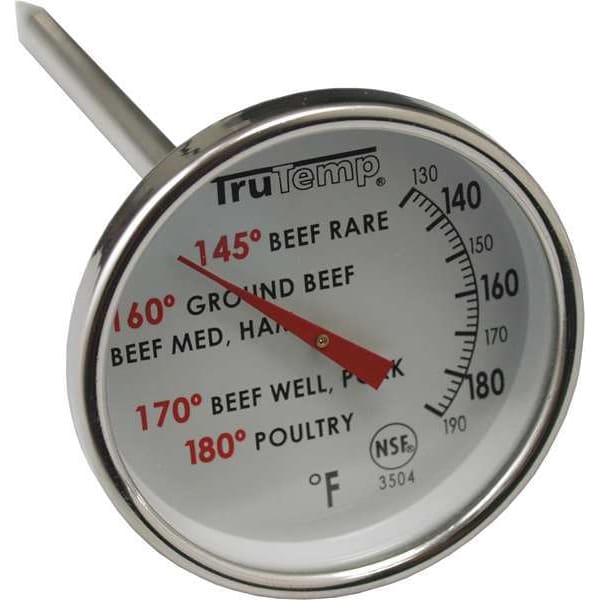
Analog meat thermometers come in different types. The most common are dial and probe thermometers. Dial thermometershave a round face with a needle showing the temperature. Probe thermometershave a metal tip to insert into meat. Choose one that fits your cooking style.
Important features include a clear, easy-to-read dial and a temperature range that suits the meat you cook. A long probe helps reach the center of thick cuts. Look for a thermometer with a sturdy build for long use.
Calibration ensures your thermometer shows the right temperature. Test it by placing the probe in ice water. It should read 32°F (0°C). Adjust the calibration nut if needed. Accurate readings keep your meat safe and tasty.
Credit: becauseyoucook.com
Setting Up Your Thermometer
Place the analog meat thermometer probe into the thickest part of the meat. Wait a few minutes until the needle stops moving to get an accurate reading. Read the temperature by noting where the needle points on the dial.
Cleaning Before Use
Always clean the probe with warm, soapy water before use. This removes germs and dirt. Rinse well and dry with a clean cloth. Clean the probe after every use too. This keeps the thermometer safe and ready.
Inserting The Probe Correctly
Insert the probe into the thickest part of the meat. Avoid bones or fat. The probe should reach the center for an accurate reading. Push it in at least 2 inches deep. Hold steady until the temperature stops changing.
Avoiding Common Mistakes
- Do not touch bone with the probe.
- Avoid placing the probe too close to the grill or pan.
- Do not insert the probe too shallow or too deep.
- Wait for the temperature to stabilize before reading.
Reading The Temperature Scale
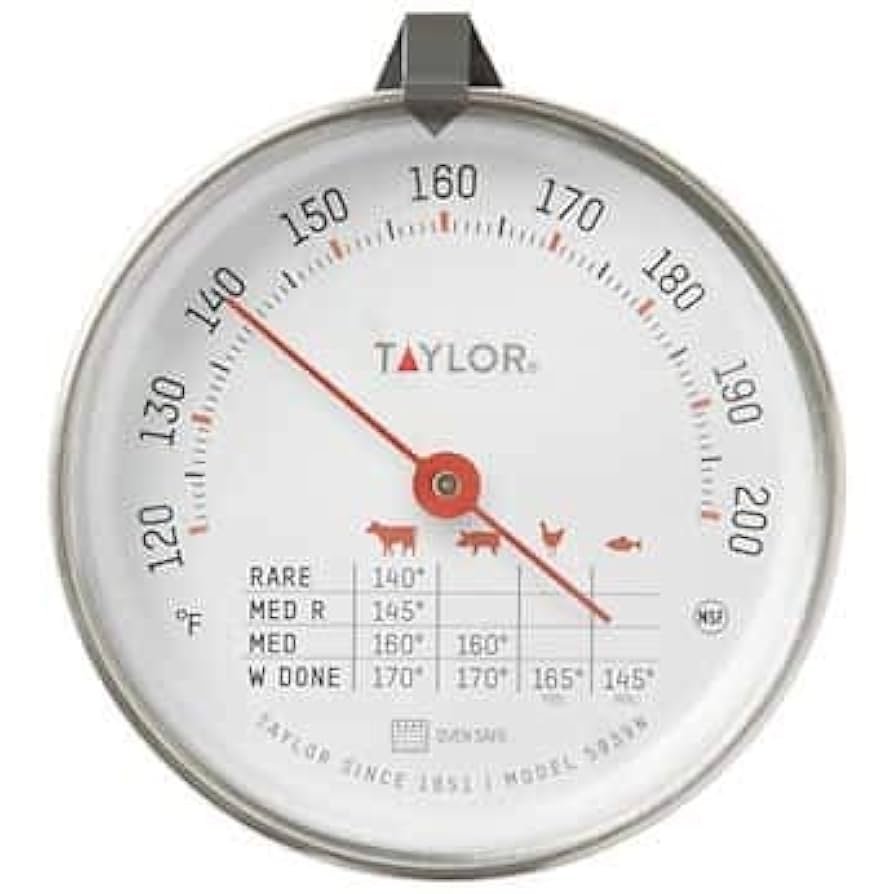
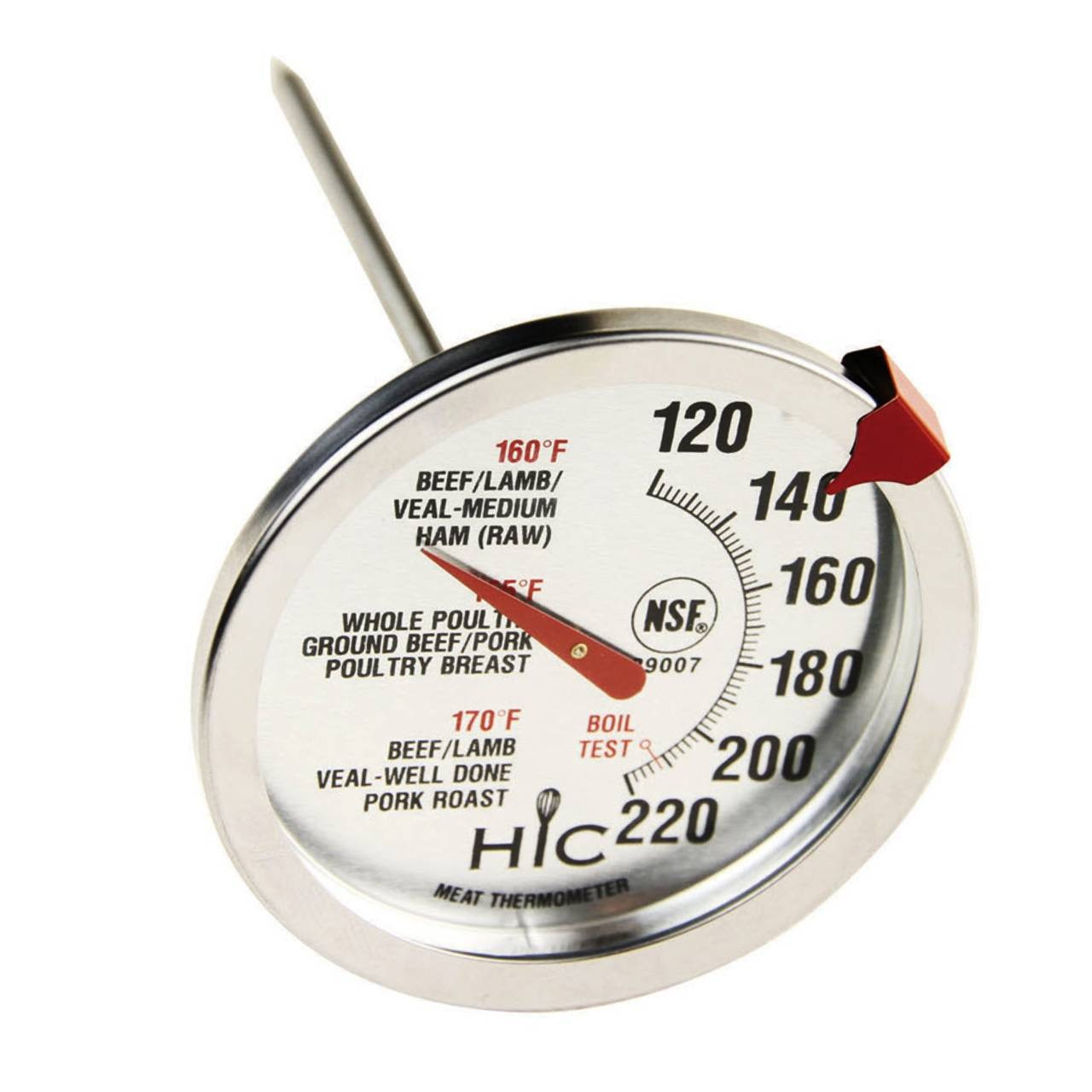
The dialof an analog meat thermometer shows the temperature. It has numbers around the edge. These numbers tell you how hot the meat is inside. The needle moves as the temperature changes. Watch where the needle points. That is your meat’s temperature.
Temperature markings usually go from 120°F to 200°F. Each small line between numbers shows a few degrees. Read the number closest to the needle. This tells the current temperature.
Safe cooking temperatures keep food safe to eat. Different meats need different temperatures. For example:
| Meat Type | Safe Temperature (°F) |
|---|---|
| Chicken and Turkey | 165 |
| Beef, Pork, Lamb (steaks, roasts) | 145 |
| Ground Meat (beef, pork, lamb) | 160 |
| Fish | 145 |
Meat-specific Temperature Guidelines
Different meats need different safe cooking temperatures. Knowing these helps you cook meat well and stay safe.
| Meat Type | Safe Temperature (°F) | Notes |
|---|---|---|
| Beef and Lamb | 145°F | Rest for 3 minutes before eating |
| Poultry | 165°F | Includes chicken and turkey |
| Pork and Other Meats | 145°F | Rest for 3 minutes before eating |
Always insert the thermometer into the thickest part of the meat. Avoid touching bones or fat. This ensures the reading is accurate.
Tips For Accurate Temperature Measurement
Check the temperature in several spots to get a good reading. Meat can have hot and cold areas. This helps avoid mistakes.
Wait a few seconds for the needle to stop moving. The temperature shown is more accurate once the needle settles.
Keep the thermometer away from bones and fat. These parts heat differently and can give wrong numbers.
- Insert the thermometer into the thickest part of the meat.
- Do not touch the pan or grill with the thermometer.
- Hold it steady until the needle stops moving.
Maintaining Your Analog Meat Thermometer
Cleaning your analog meat thermometer after use keeps it accurate and safe. Wipe the probe with warm, soapy water. Avoid soaking the entire thermometer to protect its parts. Rinse the probe and dry it with a soft cloth. Never use harsh chemicals or abrasive cleaners, as these can damage the thermometer.
Store the thermometer in a dry place. Use a protective case if available. Keep it away from extreme heat or cold to avoid damage. Avoid placing heavy items on top of it, which may bend the probe or break the dial.
| When to Replace Your Thermometer | Signs to Check |
|---|---|
| Probe Damage | Bent or broken probe affects accuracy |
| Dial Issues | Broken glass or unreadable numbers |
| Inconsistent Readings | Temperatures vary without reason |
Credit: www.loblaws.ca
Frequently Asked Questions
How Do I Read An Analog Meat Thermometer Correctly?
To read an analog meat thermometer, insert the probe into the thickest part of the meat. Wait for the needle to stabilize. The needle points to the current internal temperature. Use this temperature to check if the meat is cooked properly.
Where Should I Place The Thermometer In The Meat?
Insert the thermometer probe into the thickest, meatiest part. Avoid bones, fat, or gristle. This placement gives the most accurate internal temperature reading for safe cooking.
What Temperature Indicates Meat Is Safely Cooked?
Safe cooking temperatures vary by meat type. For example, poultry should reach 165°F (74°C), beef steaks 145°F (63°C). Always check recommended temperatures to ensure food safety and avoid undercooking.
How Long Does It Take For The Thermometer To Stabilize?
An analog meat thermometer usually takes about 15 to 20 seconds to stabilize. Wait until the needle stops moving before reading the temperature to get an accurate result.
Conclusion
Reading an analog meat thermometer is simple and practical. First, insert the probe into the thickest meat part. Avoid bones for accurate readings. Wait until the needle stops moving. Check the temperature for doneness. Clean the thermometer after every use to ensure hygiene.
Practice makes reading easier and faster. With these steps, you’ll cook meat perfectly every time. Enjoy safer, tastier meals with confidence. Keep your thermometer handy for all cooking adventures. Happy cooking and savor your delicious creations!