
Are you looking for a quick and easy way to puree fruits to perfection? Whether you’re making smoothies, baby food, or sauces, using a full-size food processor can save you time and effort.
But if you’ve ever struggled with uneven textures or messy cleanups, you’re not alone. In this guide, you’ll discover simple steps and insider tips to help you puree fruits smoothly and efficiently every time. Keep reading, and you’ll soon master the technique that turns fresh fruits into creamy, delicious blends with ease.
Choosing The Right Fruits
Soft fruitslike bananas, peaches, and ripe pears puree easily in a food processor. Firmer fruits such as apples or pineapples may need extra chopping or steaming first.
Fruits with high water content, like watermelon or oranges, create a smooth puree quickly. Choose fresh, ripe fruits for the best flavor and texture.
| Fruit | Puree Quality | Notes |
|---|---|---|
| Bananas | Very smooth | No peeling required if ripe |
| Peaches | Soft and creamy | Peel for smoother texture |
| Apples | Chunky if raw | Cook first to soften |
| Strawberries | Light and juicy | Remove stems before pureeing |
Wash fruits well and remove any seeds or pits. Cut them into small pieces to help the processor work better. Remove skins if they are thick or bitter.
Use fresh fruits for the best taste. Frozen fruits can work but may need thawing first.
Credit: www.kitchenaid.com
Setting Up Your Food Processor
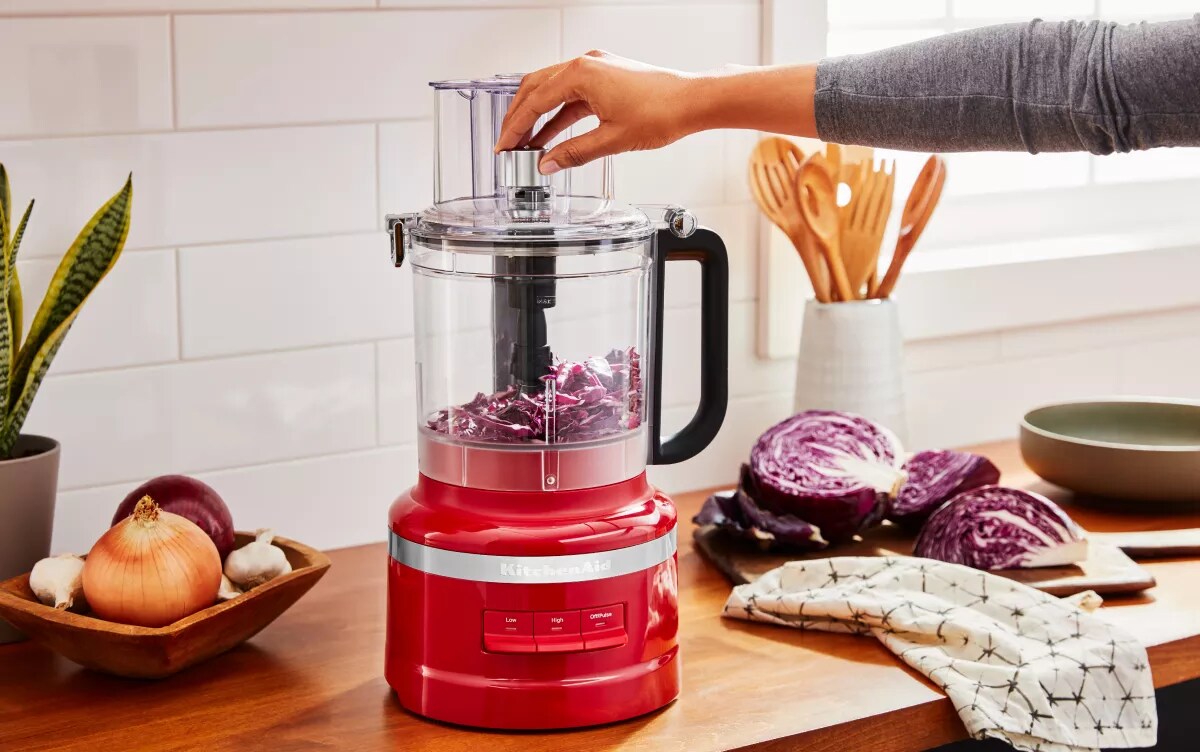
Place the food processor on a stable surface and attach the blade securely. Cut fruits into small pieces to ensure smooth pureeing. Pulse the processor in short bursts until the fruit reaches the desired texture.
Assembling The Processor
To start, place the bowl on the processor base. Ensure it locks in place securely. Next, choose the lid and align it with the bowl. Lock the lid by turning it until it clicks. This ensures that the processor works safely. Always check the safety lock before proceeding.Selecting The Proper Blade
Choose the blade designed for pureeing. It usually has sharp edges. Place the blade onto the shaft at the center of the bowl. Make sure it fits snugly. Double-check the blade’s position. Never use a dull or incorrect blade. This could damage fruits. Proper blade selection ensures smooth and even pureeing. `Step-by-step Pureeing Process
Place fresh or thawed fruits into the food processor bowl. Cut larger fruits into smaller pieces for easier blending. Avoid overfilling the bowl to allow smooth pureeing.
Set the processor speed to low or medium. Use the pulse function to control texture. Pulsing helps break fruits without turning them too watery.
Stop and check the puree texture often. If chunks remain, blend a bit more. For a smoother result, add a small amount of liquid like water or juice.

Credit: www.cuisinart.com
Tips For Smooth Puree
Adding liquidshelps create a smooth puree. Use water, juice, or milk in small amounts. Pour a little at a time to avoid making the puree too thin. Liquids help the blades move easily, which makes the texture even.
Avoiding overprocessingkeeps the puree fresh and tasty. Stop blending as soon as the mixture looks smooth. Too much blending can heat the fruit and change its flavor. Pulse the processor in short bursts instead of running it nonstop.
Cleaning And Maintenance
After using your food processor, disassemble all parts carefully. Remove the bowl, lid, and blade to avoid injury.
Wash each part with warm, soapy water. Use a soft sponge to clean hard-to-reach areas. Rinse well to remove soap.
Most parts can go in the dishwasher, but check the manual first. Dry all pieces completely before storing.
Store your processor in a dry place to keep it working well. Keep the blade covered or in a safe spot.
Winding the cord neatly prevents damage and makes storage easy. Avoid storing near heat or moisture.
Creative Uses For Fruit Purees
Fruit pureesadd natural sweetness and vibrant colors to smoothies and desserts. They make drinks creamy and rich without added sugar. Blend purees with yogurt or milk for tasty smoothies. Use purees to top cakes, ice cream, or pancakes for a fresh twist.
Purees also work well as sauces and dressings. Mix fruit purees with vinegar or lemon juice for a fruity salad dressing. They add a sweet and tangy flavor to grilled meats and seafood. Use purees as dipping sauces for snacks or appetizers. Their smooth texture makes dishes look more appealing.
Credit: www.vevor.ca
Frequently Asked Questions
How Do I Prepare Fruits For Pureeing In A Food Processor?
Wash, peel, and chop fruits into small pieces. Remove seeds and pits. This helps the processor blend evenly and smoothly.
Can I Puree Frozen Fruits With A Food Processor?
Yes, but thaw them slightly first. Frozen fruits can strain the motor and may not blend evenly when fully frozen.
What Settings Should I Use To Puree Fruits Effectively?
Use the pulse function initially to break down chunks. Then blend continuously on medium speed for smooth texture.
How Do I Avoid A Watery Fruit Puree?
Drain excess juice before pureeing. Also, use fruits with low water content to get a thicker, richer puree.
Conclusion
Pureeing fruits with a full-size food processor is quick and simple. Choose ripe fruits and cut them into small pieces. Use the pulse setting to control the texture. Stop and scrape the sides as needed. This method saves time and effort in the kitchen.
Enjoy smooth, fresh fruit purees for snacks, desserts, or recipes. Try different fruits to find your favorite blends. A food processor makes healthy eating easier and fun. Give it a try today and taste the difference.