
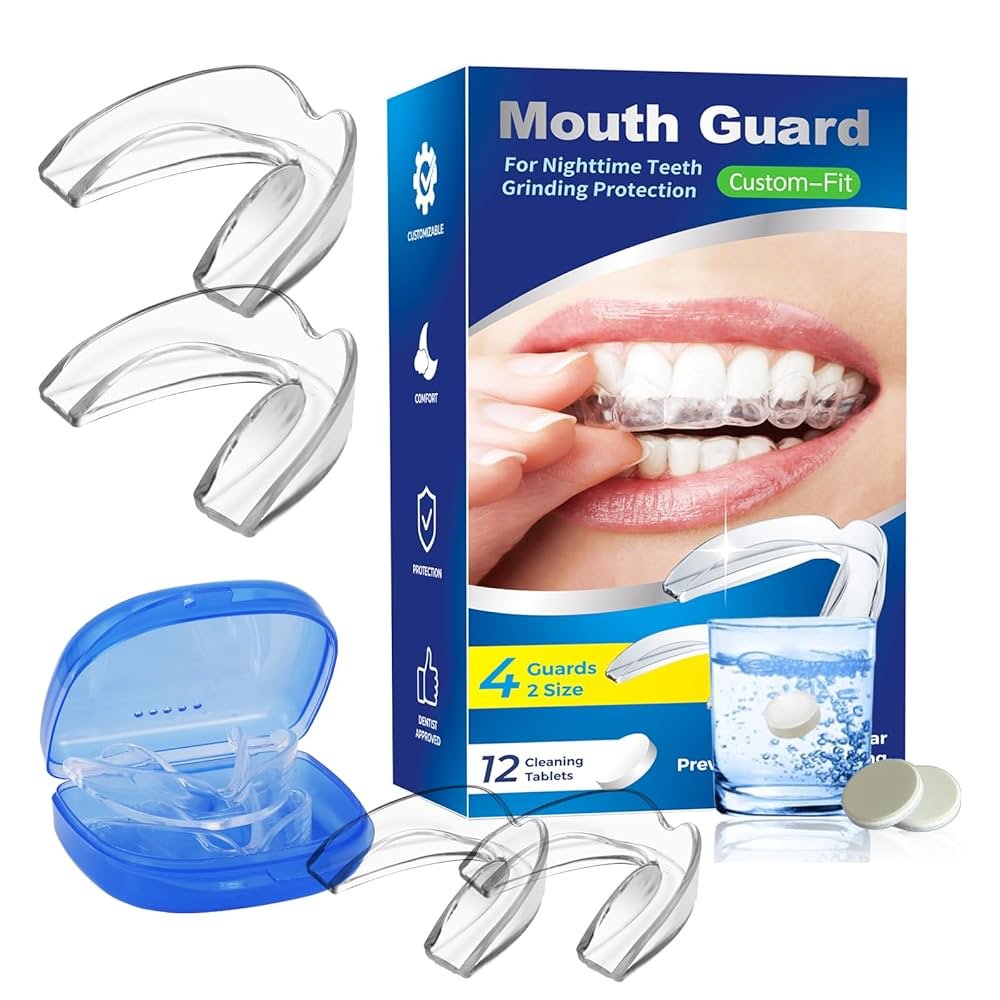
Are you waking up with a sore jaw or headaches? You might be grinding your teeth without even realizing it.
Teeth grinding, also known as bruxism, can quietly damage your smile and cause lasting discomfort. But don’t worry—there are simple, effective ways to protect your teeth and stop the damage before it starts. You’ll discover easy steps you can take right now to keep your teeth strong and pain-free.
Keep reading to learn how to take control and protect your smile for years to come.
Causes Of Teeth Grinding
Stress and anxietyoften lead to teeth grinding. People may grind their teeth when feeling tense or worried. It happens mostly during sleep or times of stress.
Sleep disorderslike sleep apnea can cause grinding. Disrupted sleep patterns can make muscles in the jaw tense. This tension leads to clenching or grinding teeth.
Misaligned teethcan cause discomfort, making grinding more likely. When teeth do not fit well, the jaw tries to adjust. This adjustment may cause constant grinding or clenching.
- Lifestyle factorssuch as caffeine, smoking, and alcohol increase grinding risk.
- High caffeine or energy drinks make muscles tense.
- Smoking affects nerves and muscles in the mouth.
- Alcohol can worsen sleep quality and increase grinding.
Signs And Symptoms
Jaw pain and sorenessoften appear after a night of teeth grinding. The muscles around your jaw can feel tight or tired. This discomfort might last through the day. Many people notice a dull ache or stiffness in their jaw area.
Tooth damageshows as worn or chipped teeth. Grinding puts strong pressure on your teeth. This can cause cracks or flatten the chewing surfaces. Over time, teeth may become more sensitive or loose.
Headachescan start in the temples or around your ears. The tension from grinding travels up to your head. These headaches often happen early in the morning and fade during the day.
Sleep disruptionsoccur because grinding creates noise and discomfort. It may wake you up or stop deep sleep. This leads to tiredness and trouble concentrating during the day.
At-home Remedies
Stress managementhelps reduce teeth grinding. Try deep breathing or meditation daily. These simple exercises calm your mind and body.
Jaw exercises can ease muscle tension. Slowly open and close your mouth. Move your jaw side to side gently. This keeps muscles relaxed and less likely to clench.
Applying warm compresses soothes sore jaw muscles. Use a warm towel on the jaw for 10 minutes. This helps reduce pain and stiffness.
Avoid stimulants like caffeine and nicotine. These can increase teeth grinding at night. Drink water or herbal tea instead to stay relaxed.

Credit: www.amazon.com
Dental Treatments
Custom mouthguardsfit your teeth perfectly. They stop grinding at night and protect enamel. Made by dentists, they feel comfortable and help reduce jaw pain.
Dental correction proceduresfix teeth alignment issues. Straight teeth reduce grinding risk. Braces or crowns can help balance your bite and ease jaw stress.
Botox injectionsrelax jaw muscles. This reduces strong clenching and grinding. Botox can ease pain and prevent muscle damage over time.
Behavioral therapyhelps change grinding habits. Techniques teach you to relax jaw muscles during day and night. Stress management also lowers grinding chances.
Lifestyle Adjustments
Good sleep hygienehelps reduce teeth grinding. Create a calm bedtime routine. Avoid screens and bright lights before bed. Keep your bedroom quiet and dark. Try to sleep at the same time every night. This helps your body relax and avoid clenching your jaw.
Changing your diet can protect your teeth. Eat soft foodsif your jaw feels sore. Avoid hard or sticky snacks that make grinding worse. Drink plenty of water to keep your mouth healthy.
Limit alcohol and caffeine. These can increase your chance of grinding at night. Cut down on coffee, tea, soda, and alcoholic drinks. Drink herbal tea or water instead.
Regular exercise helps your body relax and lowers stress. Try to move daily with walking, stretching, or light workouts. Avoid heavy exercise near bedtime to keep sleep quality high.

Credit: www.amazon.com
When To See A Dentist
Persistent teeth grinding can cause serious problems over time. Visit a dentist if symptoms last more than a few weeks. Signs include worn tooth surfaces and chips. It is important to spot tooth damage early.
Grinding often disrupts sleep. Loud noises or waking up tired are common. Sleep disturbances may also cause headaches or jaw pain. A dentist can help find the cause.
Managing pain is key. Jaw soreness, earaches, or facial pain should not be ignored. Dentists can suggest treatments to reduce discomfort and prevent further damage.
- Persistent symptoms:Grinding noises or jaw tightness lasting weeks.
- Tooth damage:Cracks, chips, or flattened teeth surfaces.
- Sleep disturbances:Restless nights and waking up tired.
- Pain management:Jaw, ear, or facial pain needing relief.

Credit: www.amazon.com
Frequently Asked Questions
What Causes Teeth Grinding And How To Stop It?
Teeth grinding, or bruxism, is caused by stress, anxiety, or misaligned teeth. To stop it, reduce stress, use a mouthguard, and seek dental advice for proper treatment.
Can A Mouthguard Prevent Teeth Grinding Damage?
Yes, a mouthguard protects teeth from grinding damage by cushioning the bite. Custom-fitted guards from dentists offer the best protection and comfort.
How Does Stress Affect Teeth Grinding?
Stress increases muscle tension, leading to teeth grinding, especially at night. Managing stress through relaxation techniques can reduce grinding and protect your teeth.
Are There Effective Home Remedies For Teeth Grinding?
Home remedies include stress management, avoiding caffeine, and jaw exercises. However, professional dental treatment is essential for severe grinding to prevent damage.
Conclusion
Protecting your teeth from grinding takes small, steady steps. Try using a mouthguard while you sleep. Manage stress with simple exercises or hobbies you enjoy. Avoid chewing hard objects like ice or pens. Visit your dentist regularly for check-ups and advice.
These actions help keep your teeth strong and healthy. Taking care of your smile is worth the effort. Start today to prevent damage and pain tomorrow. Your teeth will thank you.