
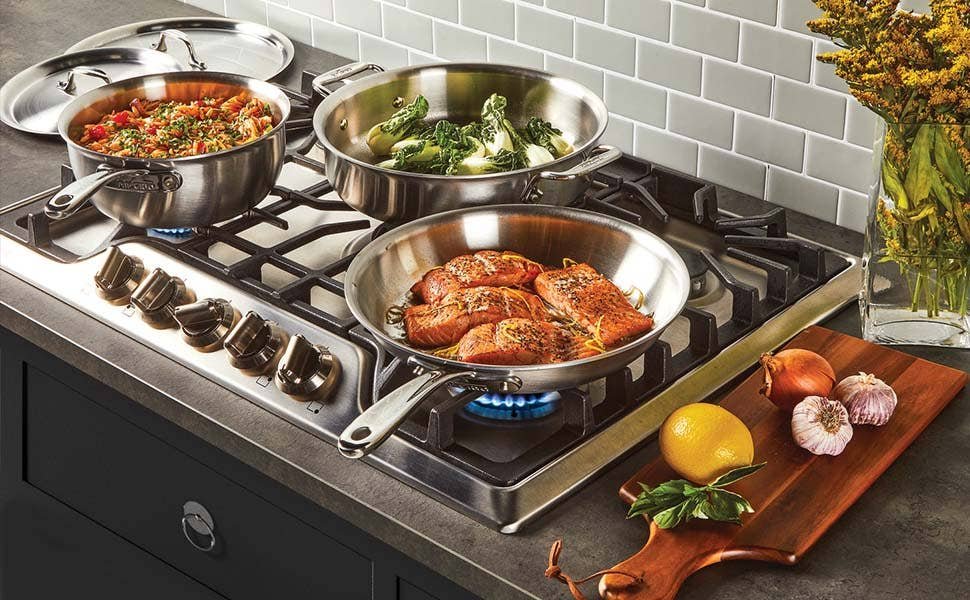
Are you tired of food sticking to your pans or struggling with uneven cooking? Stainless steel cookware might just be the solution you’ve been searching for.
But, like any kitchen tool, using it correctly is crucial to getting the best results. Imagine effortlessly cooking a perfect meal, where the flavors are locked in, and the clean-up is a breeze. This isn’t just a dream—it’s achievable with the right know-how.
By understanding how to properly use stainless steel cookware, you can elevate your cooking game and enjoy the benefits of this durable and versatile kitchen staple. Stick around to discover the secrets that will transform your cooking experience and make your kitchen time more enjoyable and efficient.
Choosing The Right Stainless Steel Cookware
Stainless steel cookware comes in different grades. The most common grades are 18/10, 18/8, and 18/0. The first number is chromium content. The second is nickel content. More nickel means more shine and rust resistance. 18/10 is often the best for durability and shine. Always check the grade before buying.
Cookware can be single-ply or multi-ply. Multi-ply cookware has layers. These layers help in even heat distribution. Three-ply cookware has three layers. Five-ply has five layers. More layers often mean better cooking. Cladding means layers are bonded together. This helps with even cooking.
Different foods need different cookware. For boiling water, a pot is good. For frying, a pan is better. Choose cookware that fits your cooking style. Heavy pans are good for slow cooking. Light pans are good for quick meals. Always use the right tool for the job.
Preparation Before Use
Wash new stainless steel cookware with warm soapy water. Rinse well to remove any factory oils. Dry the cookware with a soft towel. This step ensures a clean surface for cooking.
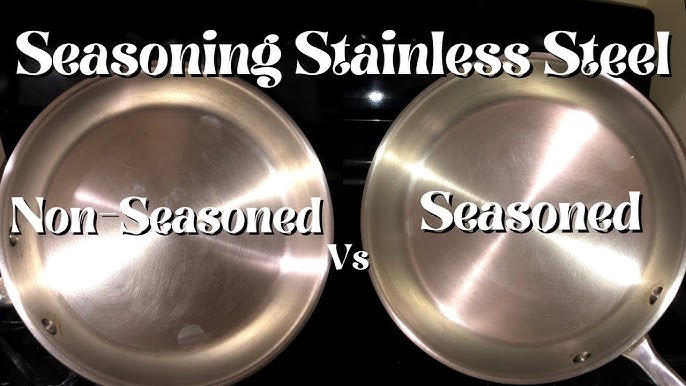
Seasoning helps prevent food from sticking. Heat the pan on low for two minutes. Add a tablespoon of oil. Spread evenly with a paper towel. Heat for another two minutes. Let it cool. Wipe away excess oil. This creates a thin protective layer.
Preheat the pan before adding food. Place on stove and heat for three minutes. Test readiness with water drops. Water should sizzle and roll. This means the pan is hot enough. Proper preheating ensures even cooking.
Cooking Techniques
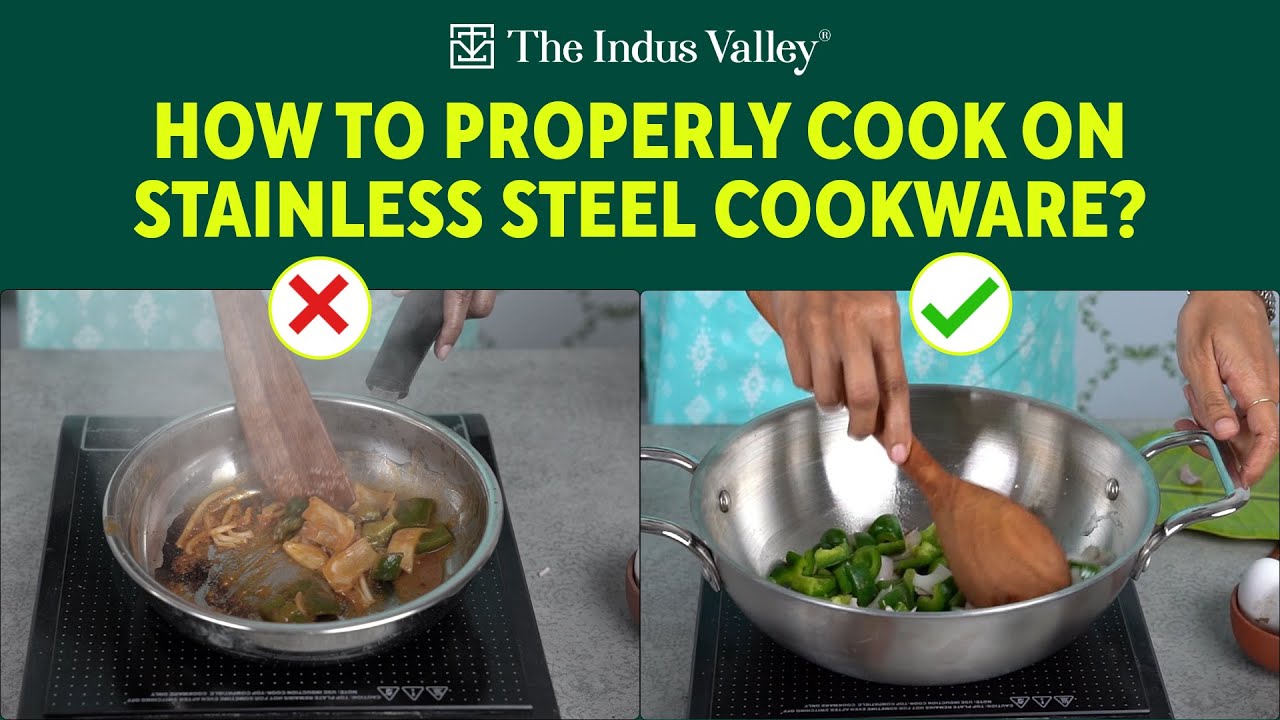
Managing heat levelsis key with stainless steel. Use low to medium heat. This helps with even cooking. High heat can cause food to burn. Let the pan heat slowly.
Preventing food from stickingneeds care. Preheat the pan before cooking. Add food when the pan is hot. This helps food not stick. Avoid moving food too soon.
Using oils and fatsis helpful. Choose oils like olive or butter. Add a small amount. Spread evenly on the pan. Fats help with flavor and prevent sticking.
Credit: www.reddit.com
Maintenance And Care
Stainless steel cookware needs care after cooking. Use warm water and mild soap. Avoid using harsh scrubs or bleach. Rinse well to remove soap. Dry with a soft towel to prevent spots.
Sometimes, stains appear on stainless steel. Baking soda helps in removing them. Mix it with water to make a paste. Rub gently on the stains. Rinse and dry well. White vinegar is another option. It can help with discoloration. Apply with a soft cloth.
Store cookware in a dry place. Stack pots and pans carefully to avoid scratches. Use cloth or paper between them. Keep lids separate. This prevents damage. Proper storage keeps cookware lasting longer.
Common Mistakes To Avoid
Stainless steel can be tricky. High heat is not always good. It can cause food to stick. Keep the heat medium or low. This helps to cook better. Avoid burning the pan. Control the flame. Use less oil. It helps.
Cleaning needs care. Never use harsh scrubbers. They can scratch the surface. Warm water works well. Mild soap is best. Dry the pan after washing. Avoid soaking for long. It may damage the finish.
Metal utensils can harm. They may leave marks. Wooden or silicone tools are safer. They protect the cookware. Avoid sharp edges. Care for your pan. Keep it smooth and shiny.
Credit: www.youtube.com
Benefits Of Stainless Steel Cookware
Stainless steel is very strong. It lasts for many years. Pots and pans made from it do not rust. They do not get scratches easily. Many cooks love them. They stay shiny and bright. This makes them look new. Buying them saves money. You do not have to buy new ones often.
Cooking with stainless steel is safe. It does not mix with your food. There are no harmful chemicals. This keeps your food pure. Families can enjoy healthier meals. Stainless steel is also easy to clean. Germs do not stay on it. This keeps your kitchen safe.
These pots and pans work on all stoves. Gas, electric, and induction. You can cook many dishes. Fry eggs, boil pasta, or bake cakes. They handle all heat levels well. This gives you many cooking choices. Cooks can try new recipes easily. Stainless steel cookware is a good friend in the kitchen.
Credit: m.youtube.com
Frequently Asked Questions
What Is The Trick To Cooking With Stainless Steel?
Preheat the pan before adding oil to prevent sticking. Use medium heat for even cooking. Ensure food is dry to avoid splattering. Avoid overcrowding the pan for better browning. Clean with gentle scrubbers to maintain shine.
How To Keep Food From Sticking To Stainless Steel Pans?
Preheat the pan before adding oil to create a non-stick surface. Ensure it’s hot enough by testing with a few drops of water. Use enough oil to coat the bottom evenly. Avoid overcrowding the pan to ensure food cooks evenly and doesn’t stick.
What Is The Rule For Stainless Steel Pans?
Use medium heat for cooking in stainless steel pans. Preheat before adding oil or food. Avoid abrasive cleaners to maintain the surface. Dry immediately after washing to prevent spots. Store properly to avoid scratches.
What Should You Not Cook In Stainless Steel?
Avoid cooking acidic foods in stainless steel, as they may cause corrosion. Foods like tomato sauces or citrus can damage the surface over time. High-heat cooking can lead to sticking, so use oil or butter. Avoid non-stick expectations; stainless steel requires proper technique to prevent food from sticking.
Conclusion
Stainless steel cookware offers durability and versatility. With proper care, it lasts long. Use low to medium heat for best results. Clean with mild soap to maintain shine. Avoid abrasive pads to prevent scratches. Dry immediately to avoid water spots.
Store in a dry place to prevent moisture damage. Practice these tips for better cooking experiences. Enjoy tasty meals without worrying about wear. Stainless steel remains a reliable kitchen choice. Keep experimenting with new recipes. Happy cooking with your stainless steel pots and pans!