
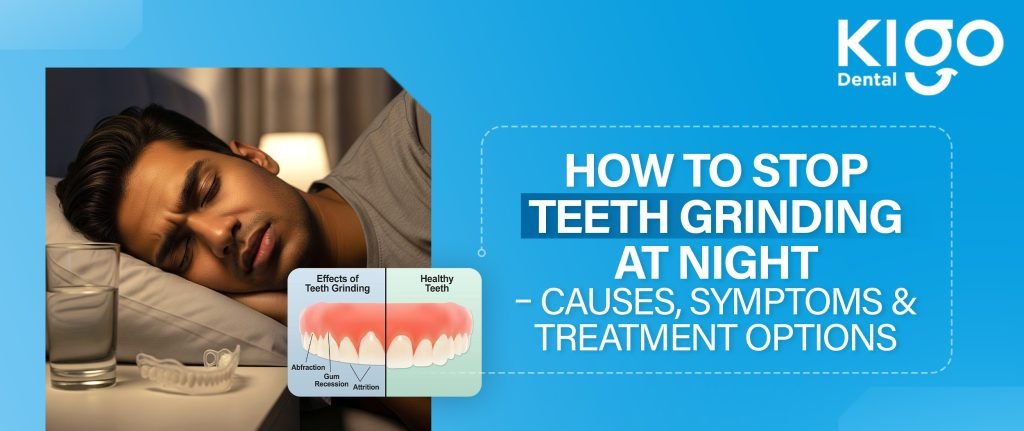
Are you waking up with a sore jaw or headaches that just won’t go away? You might be grinding your teeth at night without even realizing it.
Tooth grinding, or bruxism, can damage your teeth and affect your overall health if left unchecked. But don’t worry—there are simple and effective ways to stop this habit before it causes serious problems. Keep reading to discover easy tips you can start using today to protect your smile and feel better every morning.

Credit: www.dentistryondusk.com
Causes Of Tooth Grinding
Stress and anxietycan cause your jaw to tighten. This leads to tooth grindingwhile you sleep. Many people do not realize they grind their teeth due to stress.
Sleep disorders, like sleep apnea, often cause grindingor clenching. Poor sleep quality affects the muscles around the jaw. This results in unconscious tooth grinding.
Misaligned teethcan make your bite uneven. This causes your jaw to work harder. The extra pressure can trigger tooth grindingduring the night.
- Lifestyle factorssuch as caffeine or alcohol increase grinding risk.
- Smoking also makes muscles tense, leading to more grinding.
- Chewing gum too much strains jaw muscles and may cause grinding.
Symptoms To Watch For
Jaw pain and sorenessoften signal tooth grinding. The muscles feel tight and tired. This pain may worsen after waking up. It can affect your ability to chew or open your mouth fully.
Tooth damageis a clear sign. Teeth may look worn down or chipped. Enamel can crack or break. This damage can cause sensitivity to hot or cold foods.
Headachesoften occur due to muscle strain. These headaches usually start near the temples. They can feel dull or sharp. They often happen in the morning.
Disrupted sleepaffects both the grinder and their partner. Grinding noises may wake people up. Poor sleep quality can cause tiredness and mood changes during the day.
Lifestyle Changes To Reduce Grinding
Stress can cause teeth grinding during sleep. Simple stress management techniqueshelp reduce this habit.
- Try deep breathing exercises to calm your mind.
- Practice meditation or yoga for relaxation.
- Take short breaks during the day to avoid tension.
Limiting caffeine and alcoholalso helps. These drinks can make your muscles tense.
Drink less coffee, tea, and soda, especially in the evening. Avoid alcohol close to bedtime for better muscle relaxation.
Establishing a relaxing bedtime routineprepares your body for sleep. This can stop teeth grinding.
- Take a warm bath before bed.
- Read a book or listen to soft music.
- Keep your bedroom dark and quiet.

Credit: www.smiledentalturkey.com
Protective Devices And Treatments
Mouthguardsand splintsare worn during sleep. They protect teeth from grinding damage. Custom-made guards fit your mouth better. Over-the-counter options are cheaper but less effective.
Dental correctionsfix misaligned teeth that cause grinding. Braces or crowns help improve bite. Correcting the bite can reduce grinding and jaw pain.
Some medicationsrelax jaw muscles. Muscle relaxants may be prescribed for short-term use. Stress therapieslike counseling or relaxation exercises can lower grinding caused by anxiety.
At-home Exercises And Relaxation
Jaw muscle exerciseshelp relax tight muscles. Gently open and close your mouth slowly. Move your jaw side to side without pain. Repeat these movements 5 to 10 times daily. They ease tension and reduce grinding.
Progressive muscle relaxationinvolves tightening and then relaxing muscles. Start from your feet and move up to your face. Hold tension for a few seconds, then release. This practice calms your whole body and jaw.
Breathing techniqueslower stress and calm the mind. Breathe in slowly through your nose for 4 seconds. Hold your breath for 4 seconds. Breathe out through your mouth for 6 seconds. Repeat several times until you feel relaxed.
When To Seek Professional Help
Persistent symptomslike jaw pain or headaches need attention. Teeth grinding can cause sore muscles and disrupted sleep. If these signs last for several weeks, it’s time to see a professional.
Severe tooth damageincludes worn, cracked, or loose teeth. This damage can lead to pain or infection. Dentists can offer solutions such as night guards or repair treatments.
A sleep specialist consultationhelps if grinding happens during sleep. Specialists can study sleep patterns and find causes like stress or sleep apnea. Treatment may involve therapy or special devices.

Credit: www.delldental.com.my
Frequently Asked Questions
What Are Common Causes Of Tooth Grinding?
Tooth grinding often results from stress, anxiety, sleep disorders, or misaligned teeth. Identifying triggers helps in effective prevention.
How Can Stress Reduction Prevent Tooth Grinding?
Reducing stress through relaxation techniques lowers muscle tension. This decreases the likelihood of grinding teeth during sleep or daily activities.
Are Mouthguards Effective In Preventing Tooth Grinding?
Yes, custom-fitted mouthguards protect teeth by cushioning the jaw. They reduce damage and ease muscle strain caused by grinding.
Can Lifestyle Changes Help Stop Tooth Grinding?
Lifestyle changes like limiting caffeine, avoiding alcohol, and practicing good sleep habits can reduce grinding frequency and severity.
Conclusion
Preventing tooth grinding helps protect your teeth and jaw. Simple steps like managing stress and using a mouthguard work well. Regular dental visits catch problems early. Good sleep habits also reduce grinding risks. Small changes make a big difference in your oral health.
Start today to keep your smile strong and pain-free. Taking care of your teeth is easy with the right habits. Keep grinding under control for a healthier, happier mouth.