
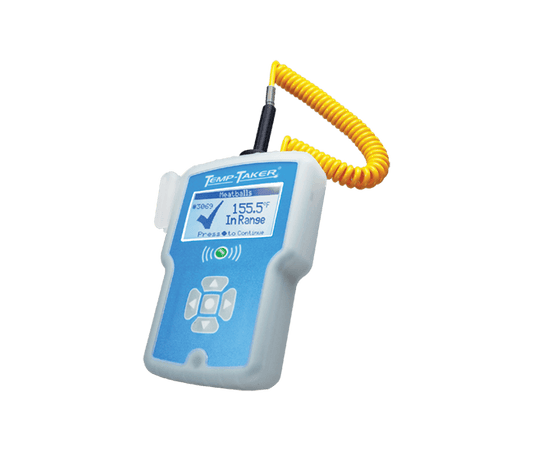
Are you tired of constantly replacing your thermometer probes? Do you find yourself frustrated by inaccurate readings or sudden malfunctions?
You’re not alone. Many people encounter these issues, often due to simple mistakes that can easily be avoided. Ensuring the longevity of your thermometer probes is crucial, whether you’re a chef relying on precise temperatures in the kitchen or a healthcare professional needing accurate patient readings.
We’ll explore practical tips and strategies to help you prevent damage to your thermometer probes, saving you time, money, and hassle. Let’s dive into the secrets that will keep your probes functioning perfectly for years to come.

Credit: www.amazon.com
Common Causes Of Probe Damage
Physical impact and droppingare main causes of probe damage. Dropping the thermometer can break the probe or affect its accuracy. Always handle the device with care and avoid sudden impacts.
Exposure to extreme temperaturescan harm the probe. Using the thermometer outside its temperature range may cause it to malfunction or break. Store the thermometer in a safe, temperature-controlled place.
Using improper cleaning methodscan also cause damage. Avoid harsh scrubbing or using sharp tools to clean the probe. Use soft cloths and gentle cleaning solutions to keep it safe.
Chemical corrosion risksarise from contact with strong chemicals. Some cleaning agents can corrode the probe’s metal parts. Use only recommended cleaning liquids and rinse thoroughly after cleaning.
Choosing The Right Thermometer Probe
Choosing a thermometer probe made from durable materials helps avoid breakage and extends its lifespan. Proper handling and cleaning also protect the probe from damage during use.
Material Types And Durability
Metal probesoffer strong durability and fast heat transfer. They work well in tough environments. Plastic probesresist corrosion but are less heat resistant. Silicone-coated probesadd flexibility and protection from damage. Choose a material based on where you will use the probe. Some materials last longer under rough use.
Probe Design Variations
Probes come in many shapes and sizes. Some are long and thin for deep measurements. Others have flat tips for surface readings. Some designs include flexible wires to avoid bending damage. Pick a design that fits your measurement needs and protects the probe from harm.
Compatibility With Measurement Environments
Check if the probe fits the environment. Use probes made for wet, dry, or oily places. Some probes resist chemicals or high heat. Using the right probe stops damage and keeps readings accurate.
Proper Handling Techniques
Insert the thermometer probe gentlyinto the item being measured. Avoid pushing hard, as this can break the probe tip. Pull the probe out with care to stop bending or snapping.
- Use light pressureto avoid breaking the probe.
- Do not forcethe probe into tight spaces.
- Hold the probe steadyduring insertion and removal.
Store the probe in a clean, dry place. Use a protective case or cover to stop damage. Keep it away from heavy objects that could crush it.
Cleaning And Maintenance Tips
Use mild soapor isopropyl alcoholto clean thermometer probes. Avoid harsh chemicals that can damage sensors. Wipe gently with a soft cloth to remove dirt and residue. Dry the probe completely to prevent water damage.
Never immerse the probe in water. Instead, use a damp cloth for cleaning. Protect the connection points from moisture to avoid short circuitsor corrosion.
Check the probe regularly for cracks, bends, or other damage. Calibrate your thermometer often to ensure accurate readings. Calibration tools or services help maintain precision and prolong the probe’s life.
Using Protective Accessories
Using probe covers and sleeveshelps protect the thermometer probe from scratches and dirt. These covers are easy to change and keep the probe clean. They also prevent damage from sharp or hot objects.
Carrying casesprovide safe storage for thermometers. They stop the probe from bending or breaking during transport. Many cases have soft padding inside for extra protection.
Impact-resistant holderskeep the probe secure during use. These holders absorb shocks from drops or bumps. They also help maintain accurate readings by holding the probe steady.

Credit: au.rs-online.com
Troubleshooting Common Probe Issues
Detecting damage earlyhelps save money and time. Check the probe for cracks, bends, or loose wires. If the readings seem off or jumpy, the probe might be damaged. Clean the probe gently to avoid buildup that hides damage. Use a soft cloth and mild soap. Inspect the cable for cuts or frays. Early detection stops small problems from growing.
Temporary fixescan keep the probe working a little longer. Tighten loose parts carefully. Wrap small cracks with heat-resistant tape to protect them. Avoid bending the probe sharply. Store it safely when not in use. These fixes are only short-term. Use them until a new probe arrives.
When to replace the probematters for safety and accuracy. Replace if cracks or breaks go deep. If the probe shows wrong temperatures often, it needs replacement. A damaged cable or connector is a sign, too. Using a bad probe can cause wrong readings and unsafe cooking. Always use a good probe for best results.

Credit: www.goodhousekeeping.com
Frequently Asked Questions
How Can I Avoid Damaging A Thermometer Probe?
Handle the probe gently and avoid bending or dropping it. Always store it in a protective case to prevent physical damage.
What Cleaning Methods Protect Thermometer Probes?
Use mild soap and warm water with a soft cloth. Avoid abrasive cleaners or submerging electronic parts to prevent damage.
Why Is Proper Storage Important For Thermometer Probes?
Proper storage prevents exposure to extreme temperatures and physical impacts. It extends the probe’s lifespan and maintains accuracy.
Can Extreme Temperatures Harm Thermometer Probes?
Yes, extreme heat or cold can damage the probe’s sensor. Use the thermometer within recommended temperature ranges for safety.
Conclusion
Protect your thermometer probe by handling it with care. Avoid bending or twisting the probe during use or storage. Clean the probe gently after each use to keep it in good shape. Store the thermometer in a safe, dry place away from heat.
Regular checks for damage help catch issues early. Taking these small steps keeps your thermometer working longer. Simple habits prevent costly repairs or replacements. Your efforts ensure accurate temperature readings every time. Small care makes a big difference.