

Do you wake up with a sore jaw or headaches? You might be grinding your teeth while you sleep, and it could be harming your smile without you even knowing it.
Teeth grinding, also called bruxism, can lead to worn-down teeth, pain, and even trouble sleeping. But don’t worry—you have the power to stop this habit before it causes serious damage. You’ll discover simple, effective ways to protect your teeth and get a peaceful night’s rest.
Keep reading to learn how to take control and keep your smile healthy.

Credit: sentinelmouthguards.com
Causes Of Teeth Grinding
Stress and anxietyoften cause teeth grinding at night. The brain reacts to tension by clenching the jaw. This can happen even without awareness during deep sleep.
Sleep disorderslike sleep apnea or snoring can lead to grinding. The body tries to adjust breathing, causing jaw movements. These movements can result in tooth grinding.
Misaligned teethcreate uneven pressure in the mouth. The jaw tries to find a comfortable position, which may cause grinding. This issue often needs dental care to fix.
Lifestyle factorssuch as caffeine, alcohol, and smoking increase teeth grinding risk. These habits affect sleep quality and muscle control. Reducing them can help protect your teeth.
Signs And Symptoms
Jaw pain and sorenessoften happen after sleeping. Your jaw may feel tight or tired. This is a common sign of teeth grinding. Soreness can last for hours or days.
Worn teethshow that grinding happens often. The edges of your teeth might look flat or chipped. This can cause sensitivity to hot or cold food and drinks.
Headachescan start in the morning or late at night. They may feel like a dull ache near your temples. Grinding puts stress on your jaw muscles and causes these headaches.
Sleep disruptionshappen because grinding makes noise. It can wake you or your partner. This breaks your deep sleep and makes you feel tired during the day.
Lifestyle Adjustments
Stress often causes teeth grinding during sleep. Try simple stress management techniqueslike deep breathing, meditation, or light exercise before bed. These help your mind and body relax.
Limiting stimulants such as caffeine and nicotine, especially in the evening, can reduce grinding. These substances can make your muscles tense and disrupt sleep.
Establishing a regular sleep routineis important. Go to bed and wake up at the same time every day. This helps your body settle into a calm, restful state.
Dental Solutions
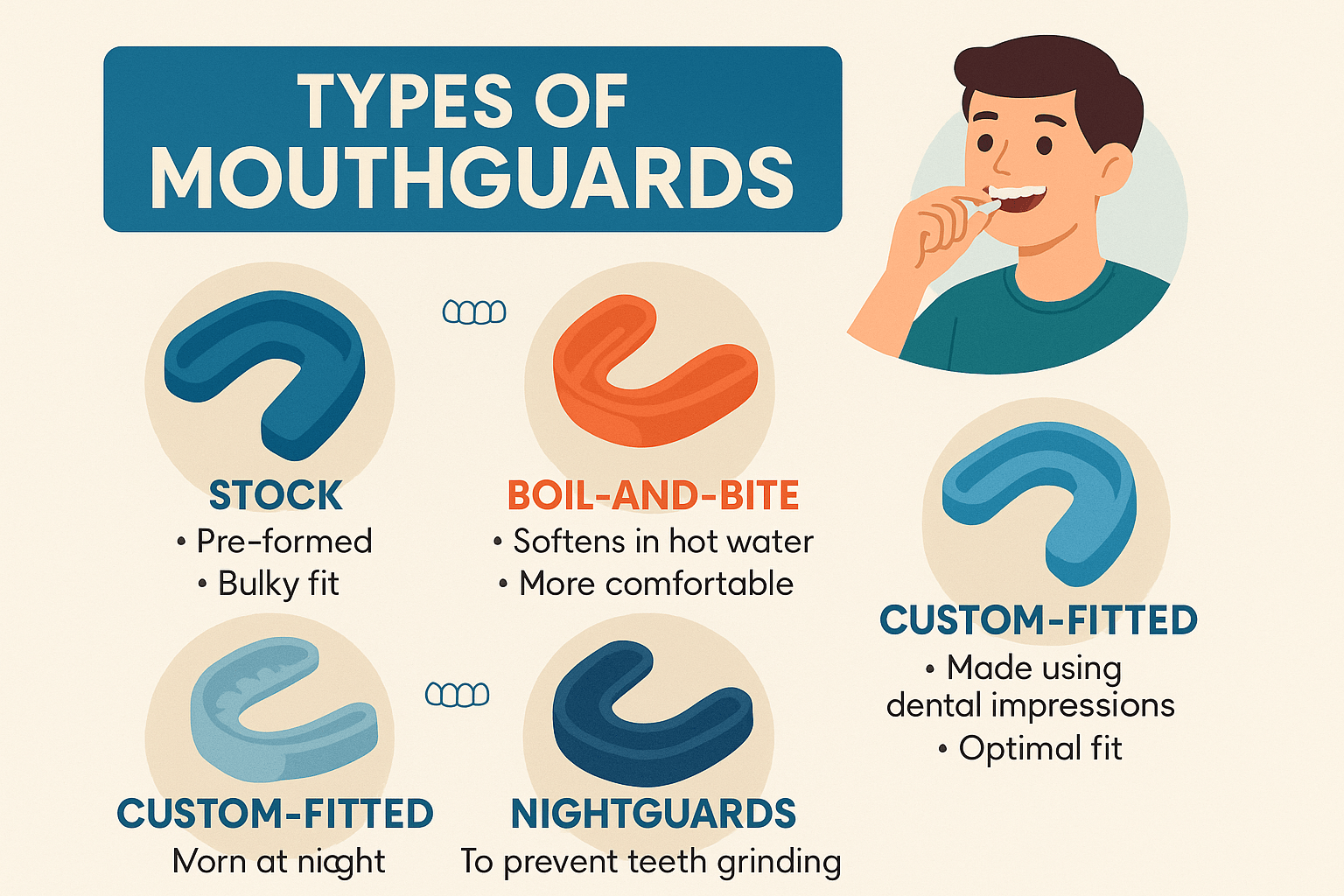
Mouth guards and splintshelp protect teeth from grinding damage. They fit over teeth and stop them from rubbing. These devices reduce jaw muscle strain and ease pain. Custom-made guards fit better and feel more comfortable. Over-the-counter guards are cheaper but may fit poorly.
Corrective dental treatmentfixes issues causing grinding. Crooked teeth or bite problems can lead to grinding. Dentists may reshape teeth or use braces to align them. This helps reduce grinding by improving bite balance. Sometimes, dental crowns protect damaged teeth from grinding stress.
Professional Help
Consulting a dentist helps find the cause of teeth grinding. Dentists check your teeth and jaw for signs of damage. They may recommend a mouth guardto protect your teeth during sleep. This device is custom-made and fits comfortably.
A sleep study can identify underlying sleep problems. It tracks your breathing and movements at night. Sleep therapy may include techniques to improve sleep quality. These treatments reduce stress and help stop grinding.

Credit: kigodental.com
Credit: www.caledoniacrosstowndental.ca
Frequently Asked Questions
What Causes Teeth Grinding During Sleep?
Teeth grinding, or bruxism, is often caused by stress, anxiety, or misaligned teeth. Sleep disorders and lifestyle habits also contribute. Identifying the cause helps in effective prevention and treatment.
How Can Stress Reduction Prevent Teeth Grinding?
Reducing stress through relaxation techniques, meditation, or therapy lowers the chances of nighttime grinding. Managing stress improves sleep quality and decreases muscle tension that leads to bruxism.
Are Mouthguards Effective For Preventing Teeth Grinding?
Yes, custom-fitted mouthguards protect teeth from grinding damage. They cushion the jaw and reduce muscle strain, making them a popular and effective prevention tool.
Can Lifestyle Changes Reduce Teeth Grinding At Night?
Yes, avoiding caffeine, alcohol, and smoking can reduce teeth grinding. Establishing a calming bedtime routine also promotes better sleep and lessens grinding frequency.
Conclusion
Preventing teeth grinding during sleep protects your teeth and improves rest. Practice stress relief techniques daily. Avoid caffeine and alcohol before bedtime. Use a mouthguard if recommended by your dentist. Keep a regular sleep schedule for better relaxation. Small changes make a big difference over time.
Stay aware of your habits and seek help when needed. Healthy teeth and peaceful nights are worth the effort. Take steps today for a brighter, pain-free tomorrow.