
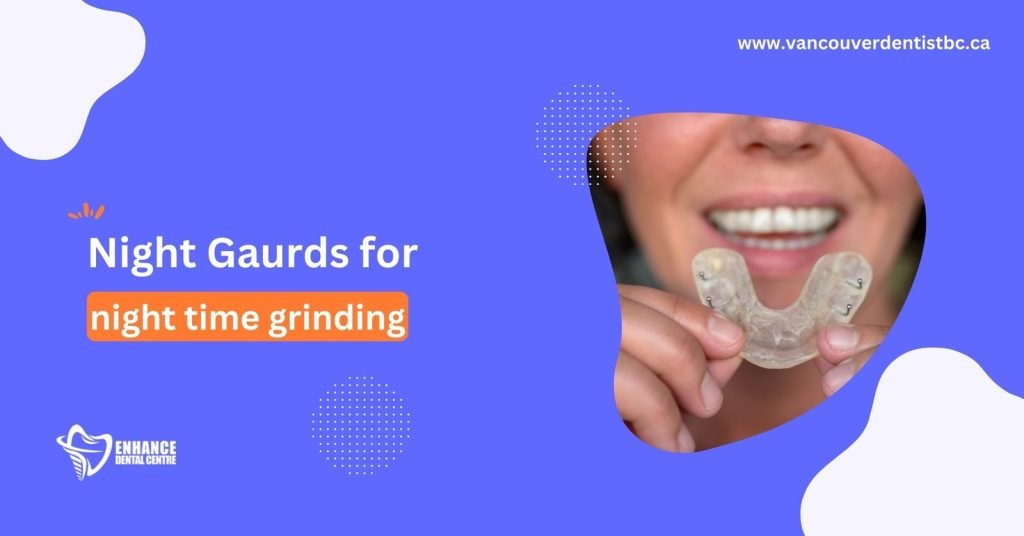
Do you wake up with a sore jaw or a headache and wonder why? You might be grinding your teeth at night without even knowing it.
Teeth grinding, or bruxism, can cause serious damage to your teeth and affect your overall health. The good news is, you don’t have to live with this problem. You’ll discover simple and effective ways to stop teeth grinding and protect your smile.
Keep reading to learn how to take control and wake up feeling refreshed every day.
Causes Of Nighttime Teeth Grinding
Stress and anxietyoften cause teeth grinding at night. Tension from daily worries can make your jaw tense.
Sleep disorderslike sleep apnea increase the risk of grinding. These issues disrupt restful sleep and cause muscle activity.
Teeth grinding can result from misaligned teeth. Uneven teeth make the jaw work harder, causing clenching and grinding.
- Lifestyle factorssuch as caffeine, alcohol, and smoking can worsen grinding.
- Poor sleep habits also play a role in nighttime teeth grinding.

Credit: kigodental.com
Signs And Symptoms To Watch For
Jaw pain and sorenessoften occur after nights of teeth grinding. The muscles around the jaw may feel tight and tired. This can make opening and closing the mouth painful.
Tooth damageis a clear sign of grinding. Teeth might look worn down or chipped. This damage can lead to sensitivity and cavities if not treated.
Headachescan happen from the tension in the jaw muscles. These headaches often start in the temples and spread to the forehead.
Sleep disruptionshappen when grinding noises wake a person or their partner. This makes it hard to get deep, restful sleep. Feeling tired during the day is common.
Home Remedies To Reduce Grinding
Relaxation techniqueshelp calm your mind and body before bed. Deep breathing and gentle stretching can reduce stress. Try listening to soft music or guided meditation to feel peaceful. These practices lower tension, which may decrease grinding.
Proper sleep hygienemeans having a good bedtime routine. Go to bed and wake up at the same time daily. Make your bedroom dark, quiet, and cool. Avoid screens one hour before sleep to help your brain rest well.
Avoiding stimulantslike caffeine and nicotine in the evening is important. These can make your body tense and restless. Choose water or herbal tea instead. This helps your muscles relax and lowers the chance of grinding.
| Jaw Exercises | How to Do |
|---|---|
| Jaw Stretch | Open your mouth wide, hold for 5 seconds, then close slowly. |
| Jaw Massage | Use fingers to gently rub the jaw muscles in small circles. |
| Resistance Exercise | Place fist under chin, push gently while opening mouth slowly. |
Credit: www.atlasdentalcentre.ca
Professional Treatments
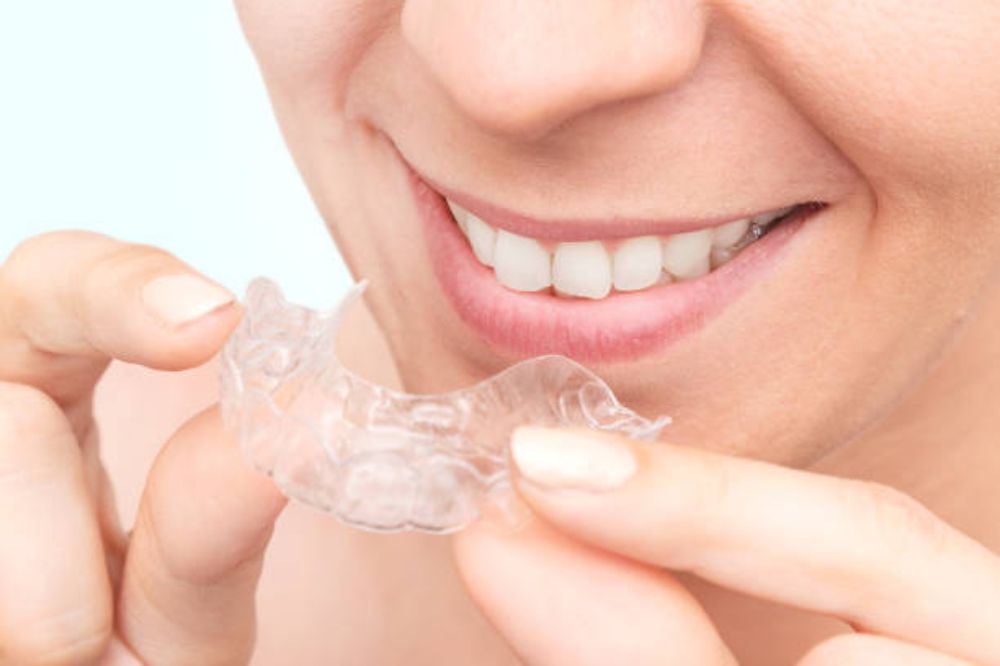
Custom mouthguards protect teeth from grinding damage during sleep. Regular dental checkups help identify and manage teeth grinding early. Relaxation techniques before bed reduce stress that often triggers grinding.
Custom Mouthguards
Custom mouthguardsare made by dentists to fit your teeth perfectly. They stop your teeth from grinding during sleep. These guards protect your teeth and reduce jaw pain.
Dental Corrections
Dental correctionsfix problems with your bite. This can reduce grinding caused by uneven teeth. Braces or crowns can help your teeth line up properly.
Behavioral Therapy
Behavioral therapyhelps change habits that cause grinding. Relaxation techniques and stress management can lower teeth grinding at night.
Medication Options
Sometimes, doctors may suggest medications. These can include muscle relaxants or sleep aids. Medicines help reduce grinding but are used carefully due to side effects.
Lifestyle Changes For Prevention
Stress can cause teeth grinding. Try deep breathing or meditation to relax. A calm mind helps reduce this habit.
Eating a balanced dietsupports healthy teeth and muscles. Include fruits, vegetables, and proteins daily. Avoid too much sugar and processed foods.
Limit alcohol and caffeineintake, especially in the evening. These can make your muscles tense and cause grinding at night.
Regular exercise helps lower stress and improves sleep quality. Choose activities you enjoy like walking, swimming, or yoga.

Credit: sentinelmouthguards.com
When To See A Dentist Or Doctor
Persistent teeth grinding can cause painand discomfortthat lasts for days. It is important to see a dentist or doctor if symptoms do not improve with home care. Severe tooth damage such as cracks, wear, or loose teethmay require professional treatment to prevent further harm.
Sleep apnea is often linked with teeth grinding. If you have trouble breathing or snore loudly, seek medical advice. Chronic pain in the jaw, face, or neck that lasts more than a few weeks should also be evaluated by a healthcare provider.
- Persistent Symptoms:Ongoing pain or discomfort despite rest
- Severe Tooth Damage:Visible cracks or worn teeth
- Sleep Apnea Concerns:Loud snoring or breathing pauses during sleep
- Chronic Pain:Lasting jaw, face, or neck pain
Frequently Asked Questions
What Causes Teeth Grinding At Night?
Teeth grinding, or bruxism, is often caused by stress, anxiety, or abnormal bite alignment. Sleep disorders and certain medications can also trigger it. Identifying the root cause helps in effective prevention and treatment.
How Can Stress Lead To Night Teeth Grinding?
Stress increases muscle tension, which can cause unconscious teeth clenching during sleep. Managing stress through relaxation techniques reduces the risk of grinding and protects dental health.
Are Mouthguards Effective In Preventing Teeth Grinding?
Yes, custom-fitted mouthguards create a barrier between teeth, preventing damage from grinding. They are a common and effective solution recommended by dentists for nighttime use.
Can Lifestyle Changes Reduce Nighttime Teeth Grinding?
Improving sleep habits, avoiding caffeine and alcohol before bed, and practicing relaxation exercises can lower grinding frequency. Healthy lifestyle choices support better sleep and reduce bruxism symptoms.
Conclusion
Preventing teeth grinding at night protects your smile and health. Practice relaxation before bed to reduce stress. Avoid caffeine and heavy meals late in the day. Use a mouthguard if your dentist recommends it. Stay aware of your habits and listen to your body.
Small changes can make a big difference over time. Consistency helps stop teeth grinding and avoid pain. Take care of your teeth every night for better sleep.