
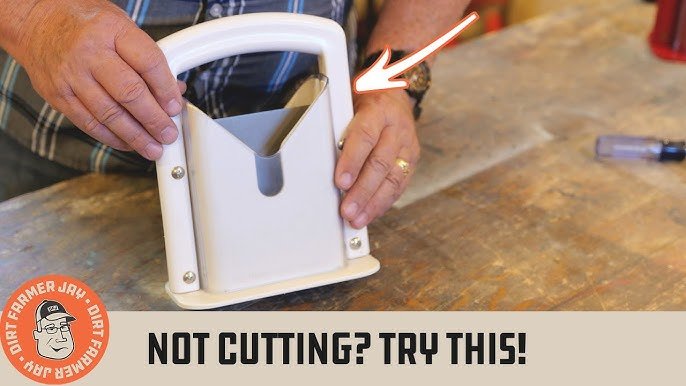
Using a slicer can make your kitchen tasks faster and easier, but slipping while handling it can lead to accidents and frustration. You want to work efficiently without worrying about cuts or dropped food.
What if you could prevent slipping every time you use your slicer? You’ll discover simple, effective tips to keep your slicer steady and safe. Keep reading to protect your hands and improve your slicing skills with confidence.
Common Causes Of Slipping With Slicers
Wet and greasy surfacescause slicers to slip easily. Liquids reduce friction between the slicer and the surface. This makes it hard to keep the slicer steady. Always wipe surfaces dry and clean before use. Avoid placing slicers on slick or oily spots.
Improper footwearcan lead to slipping. Shoes without good grip increase the risk of falls. Wear shoes with non-slip soles to stay safe. Avoid smooth-soled footwear in work areas where slicers are used.
Unstable workstationscause slicers to move unexpectedly. Tables or counters that wobble or tilt are dangerous. Ensure workstations are solid and level. Use anti-slip mats or pads under slicers for extra stability.
Choosing The Right Footwear
Slip-resistant shoes can help prevent falls. They have special soles that grip the ground. These shoes are made from sturdy materials. This helps you stay safe on slippery floors. Always check the tread pattern on the shoe’s sole. Deep grooves offer better grip.
Make sure shoes fit well. Too tight or too loose shoes can cause trips. Try shoes on with the socks you usually wear. Walk around to test comfort. Shoes should not pinch or rub. Comfort is key for long hours standing. Check for soft insoles for extra support.
Maintaining A Clean Work Area
Keeping the work area cleanhelps stop slipping accidents. A tidy space makes the slicer safer to use.
Set regular cleaning schedulesto keep surfaces free of grease and food bits. Clean floors and counters often.
- Use warm water and soap for cleaning.
- Wipe spills right away to avoid slippery spots.
- Check the area before starting work each day.
Immediate spill cleanupis very important. Even small spills can cause slips. Clean spills as soon as they happen.
This simple habit keeps the floor dry and safe. It protects everyone from falling accidents near the slicer.

Credit: chefsupplyco.com.au
Securing The Slicer And Workstation
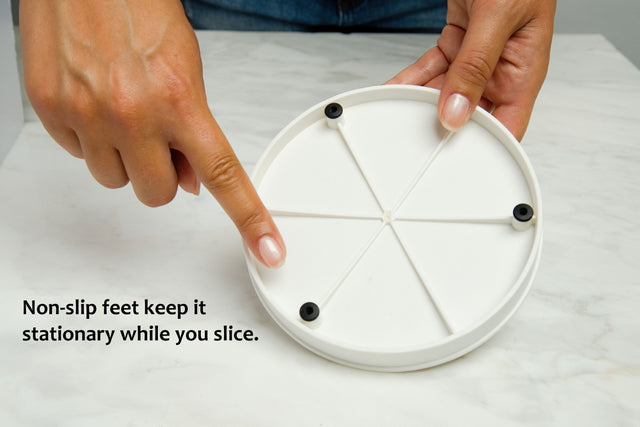
Using non-slip matsor pads under your slicer keeps it steady. These mats create frictionbetween the slicer and the table. This stops the slicer from sliding during use.
Choose mats made of rubberor similar materials. They are easy to clean and last long. Make sure the mat fits the slicer base well.
A stable table surfaceis also very important. Tables made of wood or metal work best. Avoid glass or smooth plastic tables because they can be slippery.
Check the table for any wobblesbefore using the slicer. Tighten loose screws or legs. A steady table helps keep the slicer safe.
Safe Operating Techniques
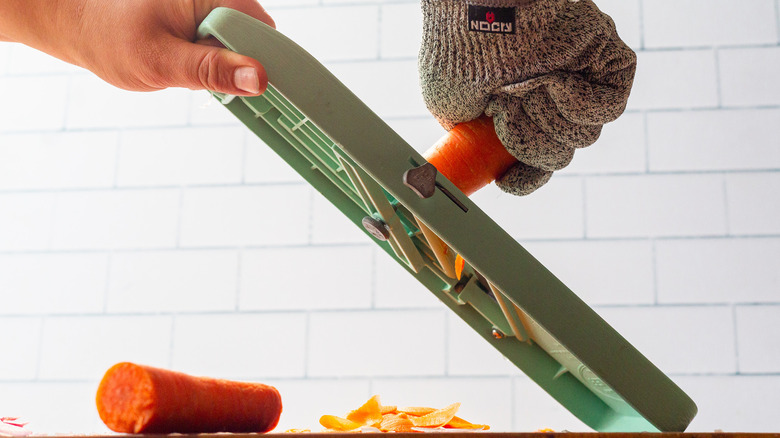
Keep your hands away from the bladeat all times. Hold the slicer handle firmly with one hand. Use the other hand to guide the food, keeping fingers curled and safe.
Move the slicer in slow, steady motions. Avoid pushing too hard. Controlled movements help prevent slips and accidents. Always focus on the task and avoid distractions.
Using Safety Gear
Cut-resistant glovesprotect hands from sharp slicer blades. They help keep a firm grip, reducing slip risks. Gloves made from materials like Kevlar or stainless steel mesh are best.
Protective clothingincludes aprons and sleeves that guard against cuts. These clothes also prevent clothes from getting caught in the slicer. Wearing the right gear keeps you safer and more confident while slicing.
Training And Awareness
Regular safety traininghelps workers understand how to use slicers safely. Training sessions should cover proper handling, cleaning, and maintenance. Workers learn to spot risks and use safety gear. This reduces accidents and slips.
Recognizing hazard signsis key to preventing slips. Look for wet floors, loose mats, or clutter near slicers. Knowing these signs helps workers act fast. Quick action can stop accidents before they happen.
Credit: www.chowhound.com
Emergency Preparedness
Keep a well-stocked first aid kit nearby. It should have bandages, antiseptic wipes, and gloves. Quick access to first aid helps treat small cuts fast. Train everyone to use the kit safely. Clean any wounds immediately to prevent infection.
Write down important emergency phone numbers. Display them in a visible spot near the slicer. This list should include local emergency services and your workplace safety officer. Make sure all workers know how to call for help quickly.
| Emergency Contact Procedures |
|---|
| Keep emergency numbers visible near workstations. |
| Teach staff how to call emergency services clearly. |
| Practice emergency drills regularly to stay prepared. |
| Assign someone to handle emergency communication. |
Credit: rapidslicer.com
Frequently Asked Questions
How Can I Prevent Slipping When Using A Slicer?
Use a non-slip mat under the slicer and keep the surface clean. Hold the slicer firmly and slice slowly to maintain control and safety.
What Safety Gear Helps Prevent Slipping With Slicers?
Wearing cut-resistant gloves enhances grip and protects hands. Non-slip shoes also help maintain stability while operating slicers.
How Often Should Slicer Blades Be Cleaned?
Clean slicer blades after each use to remove residue. Clean blades reduce slipping caused by food particles and ensure smooth slicing.
Does Slicer Blade Sharpness Affect Slipping Risk?
Yes, sharp blades require less pressure and reduce slipping risk. Dull blades force extra force, increasing chances of accidents.
Conclusion
Preventing slips while using a slicer keeps you safe and comfortable. Always check the slicer’s stability before starting. Use a clean, dry surface to avoid accidents. Hold the food firmly but carefully to keep control. Wear non-slip gloves or use a guard for extra grip.
Take your time and focus on each slice. Small steps make a big difference in safety. Stay alert, and your slicing will be smooth and secure every time. Safety first—simple habits protect you from harm.