

Rust on your heavy duty slicer can cause serious problems. It slows down your work, damages the machine, and risks food safety.
You want your slicer to stay sharp, clean, and reliable every time you use it. But how do you stop rust before it starts? You’ll discover simple, effective ways to protect your slicer from rust. Keep reading to learn easy tips that save you time, money, and frustration.
Your slicer—and your kitchen—will thank you.
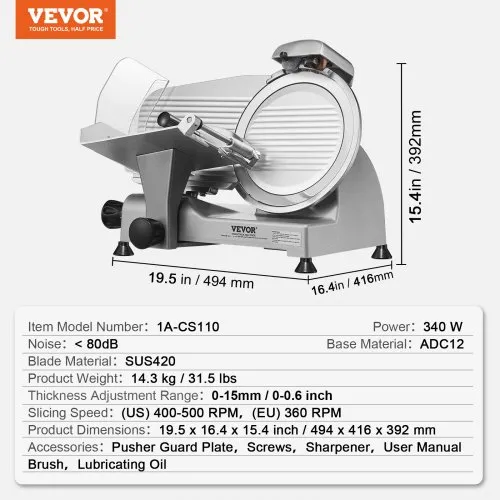
Credit: www.vevor.ca
Causes Of Rust On Heavy Duty Slicers
Moisture exposurecauses rust fast. Water or damp air stays on metal parts. This makes rust spots grow quickly. Dry the slicer after use to stop rust.
Improper cleaningleaves food bits and liquids on the slicer. These bits hold moisture. They create a place for rust to start. Clean every part carefully and dry it well.
Lack of maintenancelets small rust spots grow bigger. Regular checks find rust early. Oiling metal parts helps stop rust from forming. Keep the slicer in good shape with simple care.
Environmental factorslike salty air or dirty kitchens speed up rust. Using slicers in these places needs extra care. Cover slicers and store them in dry spots to protect them.
Essential Cleaning Techniques
Wipe the slicer after each use. Remove food bits with a soft cloth. Disassemble parts carefully. Use warm, soapy water for cleaning. Dry each piece thoroughly. Ensure no moisture remains. Moisture can cause rust.
Choose non-abrasive cleaners. Avoid harsh chemicals. Mild detergent works best. Use a soft brush or sponge. Rinse with clean water. Dry parts completely. Moisture can damage metal.
Check for water traps on slicer. Tilt slicer to remove excess water. Ensure no water sits in grooves. Dry all parts thoroughly. Use a dry cloth for best results. Keep slicer in a dry place. This helps prevent rust.
Protective Coatings And Treatments
Food-safe oils and lubricantscreate a thin barrier that stops moisture. They keep slicer parts moving smoothly and prevent rust. Always choose oils labeled safe for food contact to avoid contamination.
Anti-rust spraysform a protective coat on metal surfaces. These sprays repel water and block air, two main causes of rust. Use sprays designed for kitchen tools for best results.
Regular application is key to protection. Clean the slicer first, then apply oil or spray evenly. Wipe off any extra to avoid sticky residue. Repeat this process often, especially after cleaning or use.
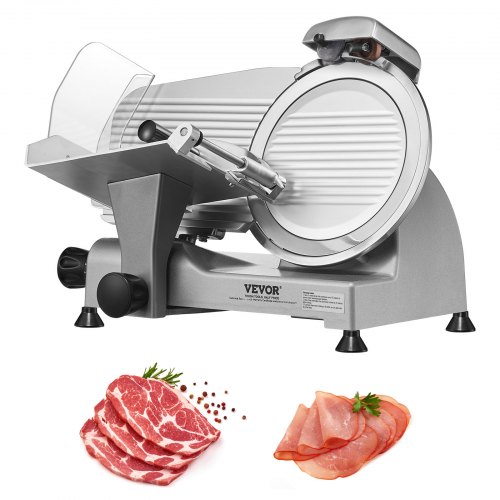
Credit: www.vevor.ca
Storage Best Practices
Storing a heavy duty slicerin a dry place keeps rust away. Moisture causes metal to corrode fast. A dry environment slows down rust formation and protects the slicer.
Using the right cover helps too. Covers keep dust and water off the slicer. Use a breathable coverto stop moisture build-up inside. Plastic wraps can trap moisture and cause rust.
Humidity is the main enemy. Avoid places like basements or near sinks. Keep slicers in rooms with low humidity or use a dehumidifier. This keeps the metal dry and safe.
Routine Maintenance Checks
Checking the slicer regularly helps catch rust early. Look closely at the blade and metal parts. Small brown or orange spotsmean rust may be forming.
Keep the blade sharpto cut smoothly and avoid damage. Use a proper sharpener and clean the blade after sharpening. This stops rust from growing on dull edges.
Parts can loosen with use. Check screws and bolts often. Tighten or replace parts if they feel loose. This keeps the slicer stableand prevents rust from moisture entering gaps.
Choosing Rust-resistant Materials
Stainless steelis a top choice for heavy duty slicers. It does not rust easily. This helps keep the slicer clean and safe for food. It lasts longer than other metals. It also looks shiny and new for years.
Using coated bladesand parts adds extra protection. Special coatings stop rust and wear. They make the slicer work better and last longer. Coatings can also make cleaning easier.
| Material/Coating | Benefits |
|---|---|
| Stainless Steel | Resists rust, durable, easy to clean |
| Non-stick Coatings | Prevents rust, food doesn’t stick, easy cleaning |
| Protective Paints | Shields metal from moisture and air |

Credit: www.thecookingguild.com
Frequently Asked Questions
How Often Should I Clean My Heavy Duty Slicer?
Clean your heavy duty slicer after each use. Regular cleaning prevents food residue buildup and rust formation. Use warm water, mild detergent, and a soft cloth. Dry thoroughly to avoid moisture, which causes rust. This routine extends the slicer’s lifespan and maintains hygiene.
What Type Of Oil Prevents Rust On Slicers?
Use food-safe mineral oil to prevent rust on slicers. It forms a protective layer against moisture and air. Apply a thin coat after cleaning and drying. Avoid cooking oils as they can become sticky and rancid, promoting rust instead of preventing it.
Can Rust Damage Slicer Blades Permanently?
Yes, rust can permanently damage slicer blades. Rust causes pitting and weakens the metal, reducing sharpness and safety. Prompt cleaning and oiling prevent rust buildup. If rust is severe, professional sharpening or blade replacement may be necessary to restore performance.
Is Stainless Steel Slicer Rust-resistant?
Stainless steel slicers are rust-resistant but not rust-proof. Proper care, cleaning, and drying are essential to prevent corrosion. Avoid prolonged exposure to water or acidic foods. Regular maintenance keeps the slicer rust-free and functioning optimally.
Conclusion
Preventing rust on a heavy duty slicer keeps it safe and sharp. Clean the slicer after each use. Dry it well to stop moisture build-up. Use food-safe oil to protect metal parts. Store the slicer in a dry place. Regular checks help catch rust early.
Small efforts now save costly repairs later. Keep your slicer working smoothly and lasting longer. Rust prevention is simple with these easy steps. Your slicer will stay reliable and ready to use.