
If you love your morning coffee, you know how important your drip coffee maker is. But what happens when rust starts to appear?
Rust can ruin the taste of your coffee and shorten the life of your machine. You might not realize it, but preventing rust is easier than you think. You’ll discover simple, effective steps to keep your coffee maker clean and rust-free.
By following these tips, you’ll enjoy better coffee and a longer-lasting machine. Keep reading to learn how to protect your favorite coffee companion from rust!

Credit: coffeekev.com
Causes Of Rust In Coffee Makers
Rustin coffee makers often comes from metal parts exposed to moisture. Common rust sources include the water reservoir, heating elements, and internal pipes. If these parts stay wet for long, rust can form quickly.
Water quality plays a big role. Hard waterwith minerals can leave deposits that cause rust. Using filtered or soft waterhelps reduce this risk.
Humidity and storage conditions also matter. Keeping the coffee maker in a damp areaor not drying it after use increases rust chances. Storing the machine in a dry placeand wiping it dry can prevent rust buildup.
Daily Maintenance Tips
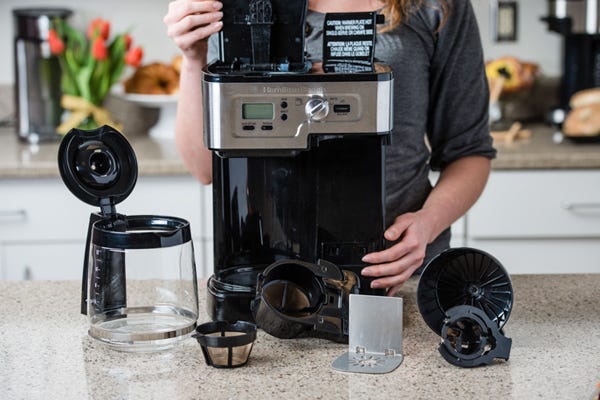
Cleaning your drip coffee maker after each use keeps rust away. Remove old coffee grounds and wash removable parts with warm, soapy water. Wipe the machine’s exterior to prevent water spots.
After cleaning, dry all parts completely. Use a clean cloth or air dry them in a warm spot. Moisture left inside the machine can cause rust to form.
- Always use fresh water for brewing. Old or standing water can cause mineral build-up and rust.
- Fill the water reservoir just before brewing to keep water fresh.
- Regularly descale with vinegar or a descaling solution to remove mineral deposits.
Deep Cleaning Techniques
Vinegar works well to remove rust and mineral build-up. Mix equal parts of white vinegar and water. Pour the mixture into the water reservoir and run a brew cycle without coffee grounds. Let the solution sit for 15-30 minutes before running another cycle with plain water to rinse thoroughly.
Baking soda is a gentle cleaner that helps remove stains and rust. Mix 1 tablespoon of baking soda with a cup of warm water. Use a soft cloth or sponge dipped in the solution to scrub the affected parts. Rinse well with clean water to avoid any residue.
| Product Type | Usage | Benefits |
|---|---|---|
| Descaling Solutions | Follow package instructions for safe use | Effectively removes rust and mineral deposits |
| Rust Removers | Apply carefully on rust spots, rinse well | Targets tough rust without damaging machine parts |
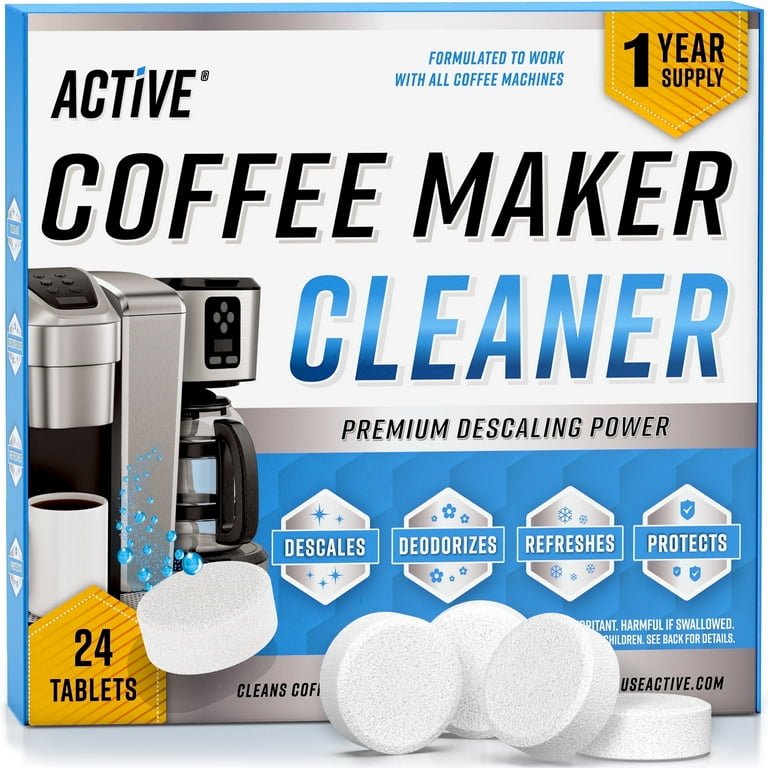
| Cleaning Tablets | Place in machine’s filter basket and run cycle | Convenient and safe for regular maintenance |
Credit: medium.com
Preventive Measures
Choose stainless steelor plastic partsthat resist rust. Avoid metal parts that easily corrode. These materials last longer and keep coffee safe.
Do not leave water in the machine for long. Stagnant water causes rust and bacteria. Empty the water reservoir after each use. Dry the parts well to stop moisture.
- Store the coffee maker in a dry place.
- Keep it away from humid areaslike sinks or bathrooms.
- Cover the machine to avoid dust and dirt.
Signs Of Rust And When To Replace Parts
Look for orange or brown spotson metal parts. These are clear signs of rust. Rust can cause rough surfacesinside the coffee maker. This may clog water flow or damage the machine.
Rust can change the taste of coffee. Coffee might taste metallicor bitter. This ruins your coffee experience and may be unsafe.
| Part | When to Replace | Reason |
|---|---|---|
| Filters | Every 2-3 months | Build-up of rust or minerals |
| Water Reservoir | If rust is visible | Prevents contamination |
| Metal Components | When rust affects function | Ensures machine works properly |
Credit: masonjarlifestyle.com
Frequently Asked Questions
How To Clean A Drip Coffee Maker To Prevent Rust?
Regularly clean your drip coffee maker with a mixture of vinegar and water. This removes mineral deposits and prevents rust buildup. Rinse thoroughly after cleaning to avoid vinegar taste. Dry all parts completely before reassembling to keep moisture from causing rust.
What Materials Resist Rust In Coffee Makers?
Stainless steel and BPA-free plastic parts resist rust effectively. These materials are durable, easy to clean, and less prone to corrosion. Choosing a coffee maker with these components helps maintain machine longevity and prevents rust-related damage.
How Does Water Quality Affect Rust In Coffee Makers?
Hard water contains minerals that accelerate rust and scale buildup. Using filtered or distilled water reduces mineral deposits and corrosion. Regular descaling with vinegar helps maintain clean internal parts and prevents rust formation from water impurities.
Can I Prevent Rust By Drying Coffee Maker Parts?
Yes, drying parts immediately after cleaning prevents moisture accumulation. Moist environments promote rust, especially on metal components. Wipe all removable parts with a dry cloth and leave them air-drying before reassembly to ensure complete dryness.
Conclusion
Preventing rust in your drip coffee maker keeps it working well. Clean the machine regularly with fresh water only. Dry all parts after each use to stop moisture build-up. Use filtered water to reduce minerals that cause rust. Avoid leaving water inside the machine overnight.
Small steps protect your coffee maker and improve your coffee taste. Rust-free machines last longer and stay safe to use. Take care of your coffee maker, and enjoy fresh coffee daily. Simple habits make a big difference in preventing rust.