

Are you waking up with a sore jaw or headaches that just won’t go away? You might be grinding your teeth at night without even realizing it.
This common habit can cause serious damage to your teeth and disrupt your sleep. But don’t worry—there are simple steps you can take to stop grinding and protect your smile. Keep reading to discover easy, effective ways to prevent teeth grinding and enjoy peaceful, pain-free nights.
Your mouth will thank you!

Credit: sentinelmouthguards.com
Causes Of Teeth Grinding
Stress and anxietyoften cause teeth grinding at night. When the mind is tense, the jaw tightens. This can lead to clenching and grinding during sleep.
Sleep disorderslike sleep apnea can trigger grinding. Poor sleep quality makes muscles restless, causing teeth to grind unconsciously.
Misaligned teethmay cause discomfort in the jaw. This can lead to grinding as the mouth tries to find a comfortable position.
Lifestyle factorssuch as caffeine, alcohol, and smoking increase the chance of grinding. They can affect sleep and muscle control.

Credit: kigodental.com
Signs And Symptoms
Jaw pain and sorenessoften occur after nights of grinding teeth. The muscles around the jaw feel tight and tired. This can make it hard to open your mouth wide. Some people feel stiffness or a dull ache in their jaw area.
Headachesthat start near the temples can be a sign of teeth grinding. These headaches often happen in the morning. The pain can be mild or strong, affecting daily activities.
Tooth damageappears as worn or cracked teeth. Grinding wears down the enamel, making teeth sensitive. Small chips or cracks may develop, increasing risk of cavities.
Sleep disturbancesoccur because grinding can wake you or your partner. The noise and tension may interrupt deep sleep. Feeling tired and unrested in the morning is common.
Effective Prevention Techniques
Stress can make teeth grinding worse. Try deep breathing or meditation to calm your mind. Talking to a friend or counselor helps release tension.
Good sleep habits protect your jaw. Go to bed at the same time every night. Keep your bedroom dark and quiet. Avoid screens before sleeping.
Simple jaw exercises ease muscle tightness. Open and close your mouth slowly. Move your jaw side to side gently. These help relax muscles and reduce grinding.
- Avoid caffeineand energy drinks in the evening.
- Skip alcohol near bedtime as it can worsen grinding.
- Choose herbal tea or warm milk instead.
Dental Solutions
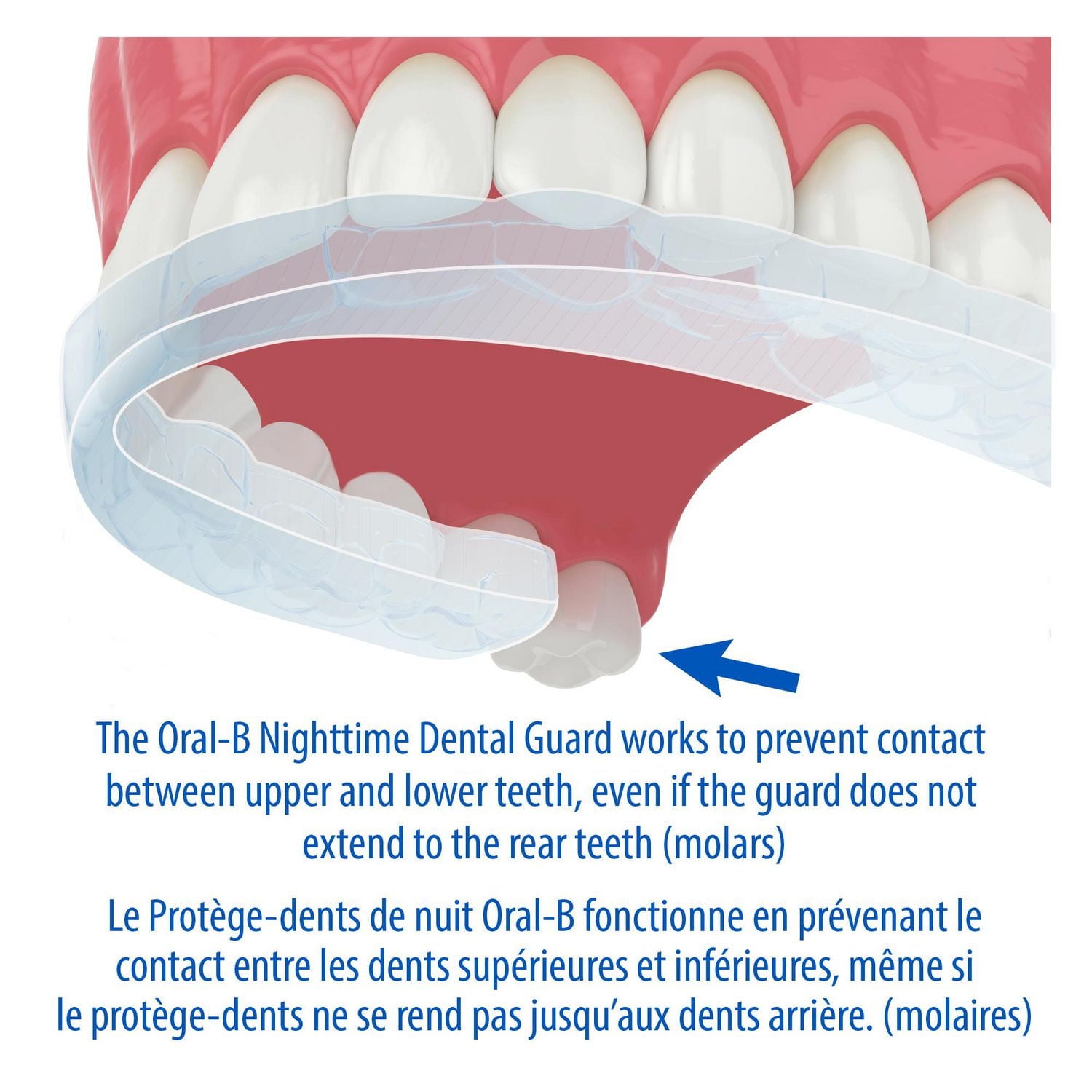
Mouthguards and splintshelp protect teeth from grinding at night. These devices fit over your teeth and stop them from rubbing together. They also reduce jaw muscle strain and pain. Custom-made mouthguards from a dentist fit better and last longer than store-bought ones.
Corrective dental treatmentsfix bite problems that cause grinding. Treatments may include braces, crowns, or reshaping teeth. Straightening teeth can reduce stress on the jaw and lower the chance of grinding. These treatments also improve your smile and oral health.
Regular dental checkupscatch early signs of teeth grinding. Dentists look for worn teeth, jaw pain, or damage. Early treatment can prevent serious problems. Visiting your dentist every six months keeps your mouth healthy and stops grinding from getting worse.
When To Seek Professional Help
Persistent symptomssuch as frequent headaches, jaw pain, or earaches need attention. These signs show grinding might be harming your health.
Severe tooth damagelike cracked, worn, or loose teeth demands a dentist’s care. Ignoring this can lead to bigger problems and costly fixes.
- Sleep specialist consultationhelps if grinding is linked to sleep disorders.
- They can suggest treatments like mouthguards or therapy.
- Better sleep means less grinding and healthier teeth.
Credit: www.walmart.ca
Frequently Asked Questions
What Causes Grinding Teeth At Night?
Grinding teeth, or bruxism, is often caused by stress, anxiety, sleep disorders, or misaligned teeth. It can also result from certain medications or lifestyle habits like caffeine and alcohol intake.
How Can I Stop Grinding Teeth Naturally?
To stop teeth grinding naturally, reduce stress through relaxation techniques, exercise regularly, avoid caffeine and alcohol, and maintain good sleep hygiene. Using a mouthguard at night can also protect your teeth.
Are There Dental Treatments For Teeth Grinding?
Yes, dentists can provide custom-fitted mouthguards or splints to protect teeth. In some cases, dental corrections like reshaping or orthodontics may help reduce grinding.
Can Teeth Grinding Damage My Teeth Permanently?
Yes, chronic grinding can wear down tooth enamel, cause fractures, and lead to tooth sensitivity or loss. Early treatment can prevent permanent damage.
Conclusion
Protecting your teeth from grinding starts with simple habits. Practice stress relief daily to calm your mind. Use a mouth guard to shield your teeth at night. Avoid caffeine and heavy meals before bedtime. Keep a consistent sleep schedule for better rest.
Talk to a dentist if grinding continues. Small changes can make a big difference. Your smile deserves care every day. Taking action now helps prevent future damage. Sleep peacefully and wake up refreshed.