

Do you wake up with a sore jaw or a headache and wonder why? You might be grinding your teeth while sleeping.
This common problem can quietly damage your teeth and affect your sleep quality. But don’t worry—you can stop it. You’ll discover simple, effective ways to prevent teeth grinding and protect your smile. Keep reading to find out how to sleep peacefully and wake up feeling refreshed.

Credit: www.amazon.ca
Causes Of Teeth Grinding
Stress and anxietyoften cause teeth grinding during sleep. When the mind feels tense, the jaw muscles tighten. This leads to clenching or grinding without awareness. Managing stress can reduce this habit.
Sleep disorderslike sleep apnea or snoring increase the chance of grinding teeth. These disorders disturb normal sleep patterns, causing jaw movements. Treating sleep problems may help stop grinding.
Dental issuessuch as misaligned teeth or missing teeth can cause grinding. The jaw tries to find a comfortable position, leading to clenching. Visiting a dentist can identify and fix these problems.
Lifestyle factorssuch as caffeine, smoking, and alcohol can worsen teeth grinding. These habits increase muscle activity and stress. Reducing or avoiding these can help lessen grinding during sleep.
Signs Of Teeth Grinding
Morning jaw painis a common sign of teeth grinding. It feels sore or stiff after waking up. This pain happens because the jaw muscles work hard during sleep.
Tooth damagemay appear as worn or chipped teeth. Grinding wears down the tooth surface over time. This can lead to sensitivity and other dental problems.
Headaches and earachescan occur due to the tension in jaw muscles. These pains often start in the morning or after a night’s sleep.
Sleep disruptionhappens when grinding noises wake up a partner or disturb your rest. Poor sleep quality affects daily energy and mood.
Lifestyle Changes To Reduce Grinding
Stresscan cause teeth grinding during sleep. Practice deep breathing, meditation, or yoga to calm your mind. These techniques help reduce tension and promote relaxation.
Stimulantslike caffeine and energy drinks can make grinding worse. Try to limitthese, especially in the afternoon and evening.
Keep a regular sleep schedule. Going to bed and waking up at the same time helps your body relax. This routine supports better sleep quality and may reduce grinding.
Alcoholand tobaccocan worsen teeth grinding. Avoid them before bedtime to protect your teeth and improve sleep.
Credit: medium.com
Dental Solutions
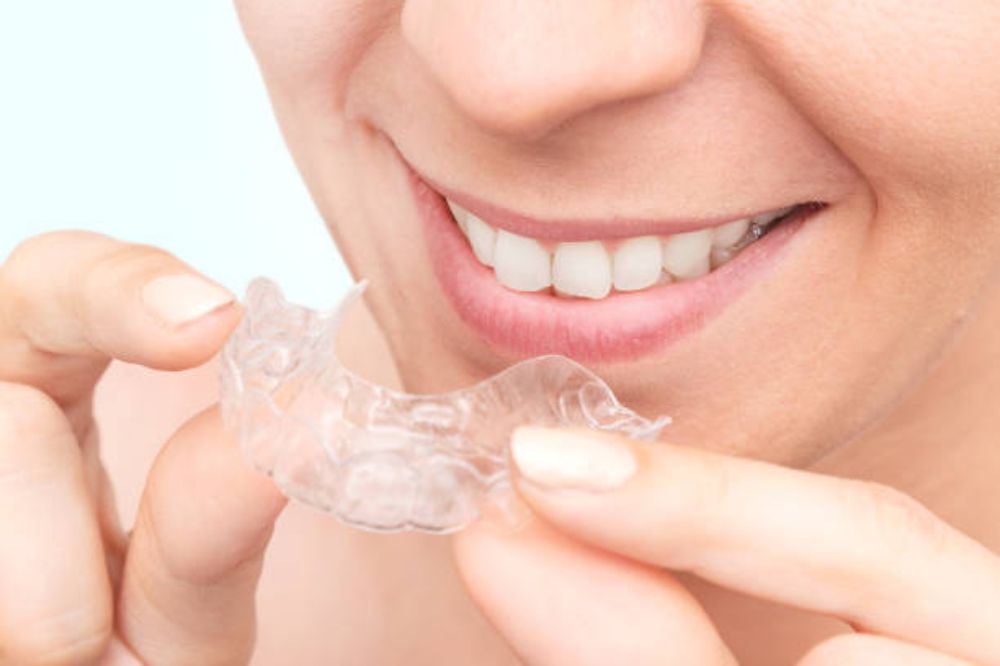
Mouthguardsand splints help protect teeth from grinding damage. These devices fit over your teeth and create a barrier. This stops the teeth from rubbing together during sleep. They also reduce jaw muscle strain and pain.
Custom-fitted mouthguards from a dentist fit better and are more comfortable. Over-the-counter guards are cheaper but may not fit well. Wearing these every night can help protect your teeth and reduce grinding noises.
Corrective dental treatments can fix bite problems causing grinding. Examples include:
- Braces to align teeth properly
- Dental crowns to reshape worn teeth
- Orthodontic treatments to correct jaw position
Treating the root cause can stop grinding and protect your smile.
Medical Treatments
Medications can help reduce teeth grindingby relaxing muscles and calming the nervous system. Muscle relaxants may be prescribed for short-term use to ease jaw tension during sleep. Sometimes, doctors suggest anti-anxietyor stress-reliefmedicines to lower stress, a common cause of grinding.
Therapies for sleep disorders focus on improving sleep quality to stop grinding. Treatments may include cognitive behavioral therapy(CBT) to manage stress and anxiety. Sleep apnea therapy, like using a CPAP machine, can also reduce grinding linked to breathing problems.
- Muscle relaxants ease jaw tension
- Anti-anxiety meds reduce stress
- CBT helps manage stress and anxiety
- CPAP treats sleep apnea-related grinding
Home Remedies And Exercises
Jaw exerciseshelp relax muscles and reduce teeth grinding. Gently open and close your mouth slowly. Move your jaw from side to side with care. Repeat these movements several times daily.
Relaxation techniquescalm the mind and body before sleep. Try deep breathing by inhaling slowly through your nose. Hold your breath for a few seconds. Exhale slowly through your mouth. Practice this for 5 minutes to ease tension.
Applying warm compressessoothes jaw muscles and eases pain. Use a warm towel or heating pad on your jaw area. Leave it on for 10 to 15 minutes. This can be done before bedtime to relax muscles.
When To See A Doctor
Persistent symptomslike jaw pain or headaches every morning need a doctor’s check. Grinding can cause serious discomfort. Noticing constant soreness or tiredness in your jaw is a sign to act fast. Early help can stop worse damage.
Severe tooth damageincludes cracks, chips, or worn enamel. Teeth may look shorter or feel loose. This damage affects chewing and can cause pain. A dentist can provide treatments to protect your teeth and ease pain.
Sleep apnea concernslink closely to teeth grinding. Breathing stops and starts during sleep. This condition causes tiredness and health risks. A doctor can test for sleep apnea and suggest proper care.
Credit: www.atlasdentalcentre.ca
Frequently Asked Questions
What Causes Teeth Grinding During Sleep?
Teeth grinding, or bruxism, often results from stress, anxiety, or sleep disorders. Misaligned teeth and lifestyle factors like caffeine increase risk. Identifying causes helps in choosing effective prevention methods.
How Can I Stop Grinding Teeth Naturally?
Reduce stress through relaxation techniques like meditation and exercise. Avoid caffeine and alcohol before bedtime. Maintain a regular sleep schedule and practice good oral hygiene to minimize grinding.
Are Mouth Guards Effective For Teeth Grinding?
Yes, mouth guards protect teeth by creating a barrier. They reduce damage and ease jaw tension. Custom-fitted guards by dentists offer the best protection for sleep bruxism.
Can Lifestyle Changes Prevent Teeth Grinding?
Absolutely. Managing stress, reducing stimulants, and improving sleep habits lower grinding chances. Regular exercise and a calming bedtime routine significantly help in prevention.
Conclusion
Stopping teeth grinding while sleeping protects your teeth and improves sleep quality. Simple steps like managing stress, avoiding caffeine, and using a mouth guard help a lot. Visit your dentist regularly to catch problems early. Small changes can make a big difference over time.
Keep practicing healthy habits each night. Your smile and health will thank you. Taking care of this issue now prevents pain and damage later. Easy to do and worth the effort.