
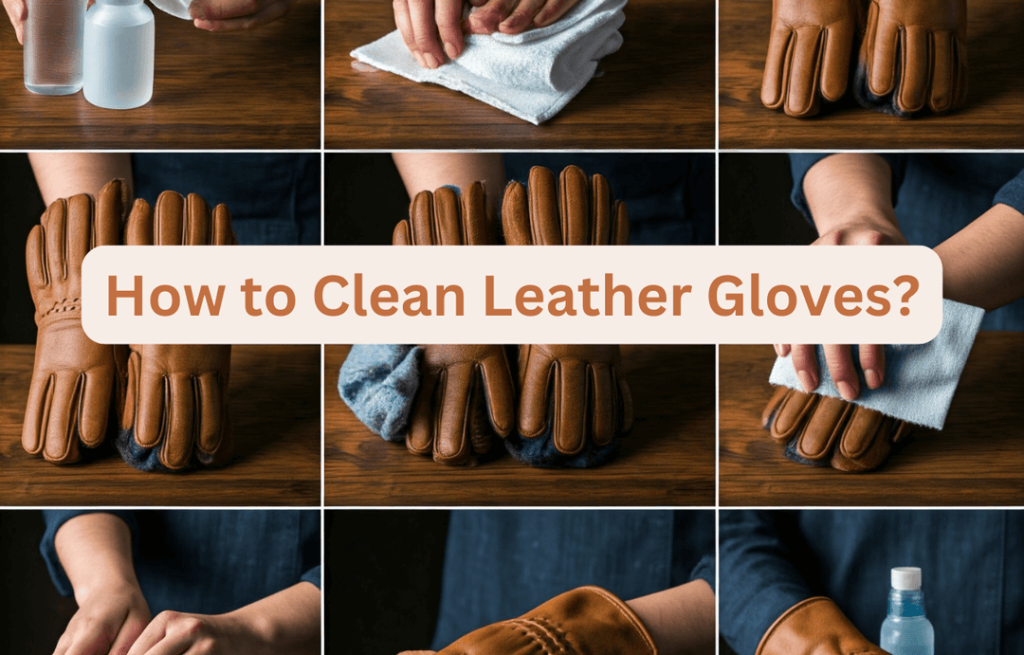
Are you tired of dealing with greasy gloves that slip, smell, and make your tasks harder? Grease buildup can ruin your gloves quickly and slow you down when you need them most.
But what if you could stop that grease from sticking in the first place? You’ll discover simple, effective ways to keep your gloves clean and grease-free. By following these easy tips, you’ll protect your gloves, save money, and work more comfortably every day.
Keep reading to learn how you can prevent grease buildup on your gloves for good.

Credit: www.amazon.com
Causes Of Grease Buildup
Grease buildup on gloves comes from many sources. Common sources include cooking oils, machinery oils, and automotive grease. These substances easily stick to gloves during work or kitchen tasks. Grease is oily and thick, which makes it hard to remove.
Grease sticks to gloves because it is oily and attracts dirt. The surface of gloves, especially rubber or leather, holds grease tightly. Tiny holes or rough textures trap grease particles. This makes gloves slippery and dirty, reducing their grip and safety.
Choosing The Right Gloves
Choosing gloves that stop grease is key. Some materials stand out for grease resistance:
- Nitrile:Strong and keeps grease out well.
- Neoprene:Flexible and good for oily jobs.
- Latex:Fits well but less grease proof.
- Vinyl:Cheap but not very tough.
Pick glove styles made to block grease easily. Here are common options:
| Glove Style | Grease Protection | Best Use |
|---|---|---|
| Disposable Gloves | Good for light grease tasks | Quick jobs, food handling |
| Chemical Resistant Gloves | Excellent grease and chemical blocking | Heavy-duty work |
| Coated Gloves | Good grip and grease resistance | Mechanics, maintenance |
Prevention Techniques
Applying protective coatingson gloves helps stop grease buildup. These coatings create a thin, smooth layer that repels oils and dirt. Use sprays or dips made for gloves. This layer makes cleaning easier and extends glove life.
Proper handling and usagealso reduce grease buildup. Avoid touching greasy surfaces without protection. Change gloves often during oily tasks. Store gloves in a clean, dry place to keep them fresh.
- Choose gloves made of grease-resistant materials
- Clean gloves regularly with mild soap and water
- Dry gloves fully before reuse
- Avoid using damaged gloves to prevent grease seepage

Credit: www.amazon.com
Cleaning Methods
Effective cleaning agentsinclude warm water, mild soap, and dish detergent. These help break down grease and oilon gloves. Avoid harsh chemicals that can damage glove material. Vinegaror baking soda also work well for stubborn grease.
Start by rinsing gloves under warm water to remove loose dirt. Apply soap or detergent and gently scrub with a soft brush or cloth. Make sure to clean all parts, including fingertips and seams. Rinse thoroughly to remove all soap. Repeat if grease remains.
Dry gloves by patting with a clean towel. Avoid direct sunlight or heat sources as they can cause damage. Store gloves in a cool, dry place away from dust and moisture to keep them clean and ready for use.
Maintenance For Longevity
Check gloves often for any signs of grease buildupor damage. Clean them after each use to stop grease from hardening. Grease can cause gloves to become slipperyand unsafe.
Look for cracks, tears, or thinning areas. These can let grease inside. Replace gloves if they no longer keep your hands safe or feel sticky.
| Signs to Replace Gloves | Reason |
|---|---|
| Visible Cracks or Tears | Can allow grease and dirt inside |
| Sticky or Slippery Surface | Loss of grip and safety |
| Thinning Material | Less protection from grease |
| Persistent Odor | Cannot be cleaned properly |
Credit: www.give-r.com
Expert Tips And Tricks
Grease buildup on gloves can make tasks messy and gloves slippery.
Using simple DIY solutionshelps keep gloves clean and safe.
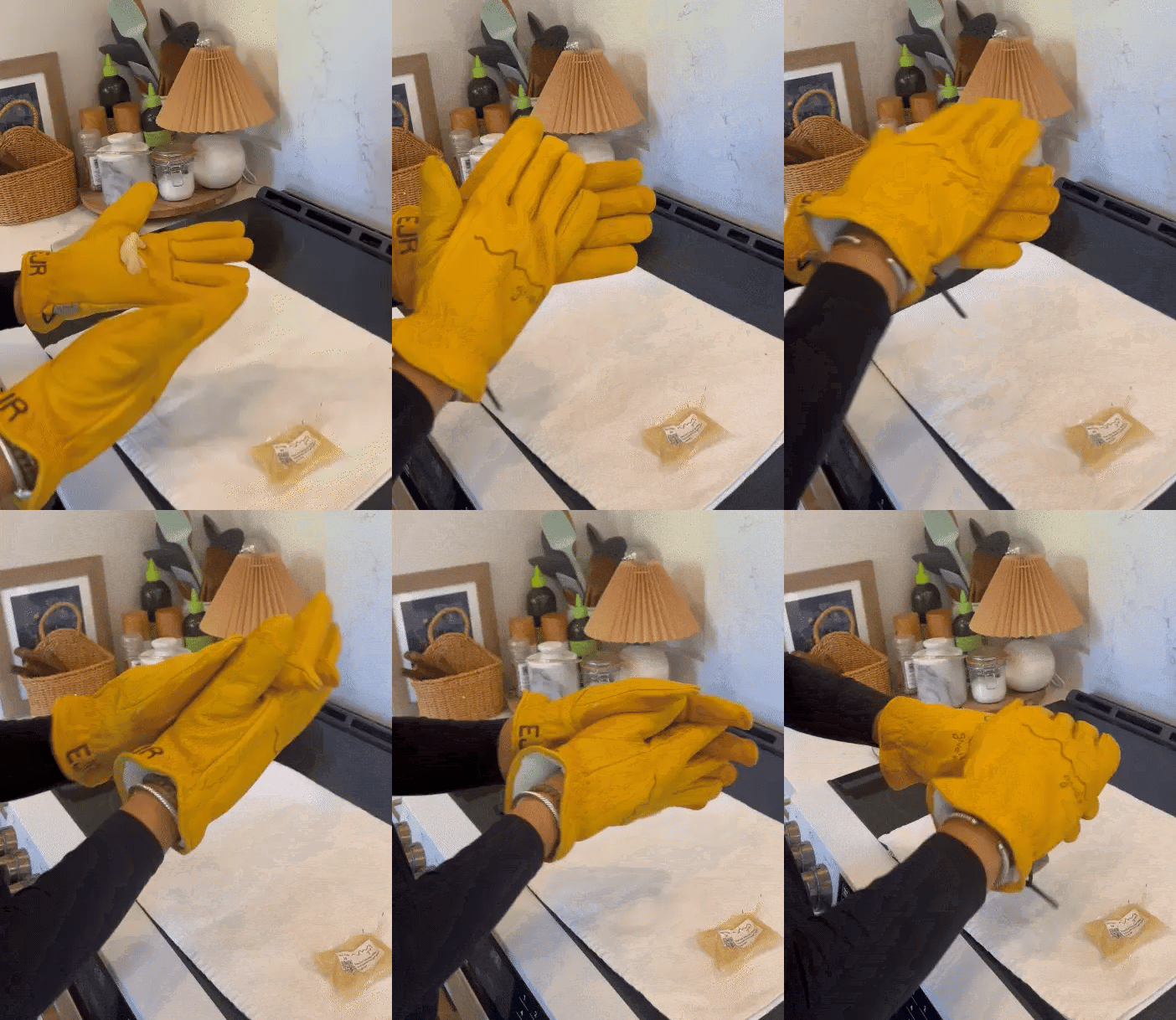
- Wash gloves with warm water and mild soap after use.
- Rub a little baking soda on greasy spots to absorb oil.
- Use vinegar to break down tough grease stains effectively.
- Dry gloves completely before storing to prevent sticky residue.
Avoid these common mistakes to keep gloves in good shape.
- Never use harsh chemicals that can damage glove material.
- Do not store gloves while still wet or greasy.
- Avoid using gloves for tasks they are not made for.
- Regular cleaning prevents grease from hardening and building up.
Frequently Asked Questions
How Often Should Gloves Be Cleaned To Prevent Grease?
Gloves should be cleaned after every use to prevent grease buildup. Regular washing removes oils and dirt, maintaining glove hygiene and durability. Frequent cleaning also reduces the risk of skin irritation and keeps gloves effective for their intended use.
What Cleaning Agents Effectively Remove Grease From Gloves?
Mild dish soap or specialized glove cleaners work best to remove grease. Avoid harsh chemicals that can damage glove material. Use warm water to enhance cleaning and ensure all grease residues are thoroughly washed away.
Can Glove Liners Help Reduce Grease Buildup?
Yes, glove liners absorb sweat and oils, reducing direct grease contact. They create a protective barrier, making gloves easier to clean and extending their lifespan. Liners also enhance comfort and hygiene during prolonged glove use.
Is It Better To Use Disposable Or Reusable Gloves For Greasy Tasks?
Reusable gloves are cost-effective but require regular cleaning to prevent grease buildup. Disposable gloves reduce maintenance but generate more waste. Choose based on task duration, frequency, and environmental considerations for optimal glove management.
Conclusion
Preventing grease buildup on gloves is simple with the right habits. Clean gloves regularly to maintain their effectiveness. Choose gloves made from materials resistant to grease. Store them properly to avoid unnecessary contact with oils. Use disposable gloves for greasy tasks to reduce mess.
Regular checks help in spotting grease buildup early. Practicing these steps keeps gloves clean and effective. Your hands stay protected, and gloves last longer. Proper care saves time and effort in the long run. So, start these habits today for cleaner, more durable gloves.