
Are you tired of your charcoal grill flaring up just when your food is almost ready? Flare ups can burn your meals, cause uneven cooking, and even be dangerous.
But what if you could keep your grill under control every time you cook? You’ll discover simple, effective ways to prevent flare ups and enjoy perfectly grilled food without the stress. Keep reading to master your charcoal grill and become the backyard chef you’ve always wanted to be.
Causes Of Flare Ups
Flare ups on a charcoal grill can make cooking hard. They cause uneven heat and burnt food. Knowing what causes flare ups helps you avoid them.
Several factors lead to flare ups. These include fat drippings, grease build-up, and wind. Each factor plays a role in how flames react on your grill.
Fat Drippings And Flames
Fat from meats drips onto hot coals. This creates flames that flare up suddenly. The flames can burn food or cause unsafe cooking.
- Fat melts as meat cooks.
- Dripping fat hits hot charcoal.
- Flames grow and flare quickly.
- Flare ups burn food outside and leave raw inside.
Grease Build-up
Grease collects inside the grill after many uses. It can catch fire easily. This causes flare ups that are hard to control.
| Cause | Effect |
| Grease on grill walls | Flames grow fast |
| Grease in drip tray | Fire spreads quickly |
| Unclean grill | More flare ups |
Wind And Airflow
Wind affects airflow in your grill. It can blow flames around. This makes flare ups more common and less predictable.
Tips on how wind causes flare ups:
- Strong wind feeds more oxygen to flames.
- Wind shifts flames quickly to food.
- Changing airflow makes heat uneven.
Choosing The Right Charcoal
Charcoal plays a big role in controlling flare ups on your grill. Picking the right type helps keep the fire steady. It also makes your food taste better.
Not all charcoal is the same. Some burn cleaner and last longer. This guide focuses on choosing charcoal that reduces flare ups.
Natural Lump Charcoal Benefits
Natural lump charcoal comes from wood chunks burned in low oxygen. It has no added chemicals and lights quickly. It burns hotter and cleaner than other types.
- Burns at high temperature for better searing
- Produces less ash, keeping air flow steady
- Does not contain fillers that cause flare ups
- Lights quickly and stays lit longer
- Gives food a natural smoky flavor
Avoiding Quick-lighting Briquettes
Quick-lighting briquettes have chemicals to start fast. These can cause flare ups and affect food taste. They also produce more ash, blocking air flow.
| Charcoal Type | Flare Up Risk | Burn Duration | Flavor Impact |
| Natural Lump Charcoal | Low | Long | Natural Smoky |
| Quick-Lighting Briquettes | High | Short | Chemical Taste |
Preparing The Grill
Preparing your charcoal grill well helps you avoid flare ups. Taking time to clean and clear the grill is important.
Proper preparation makes grilling safer and your food cooks more evenly.
Cleaning The Grill Grates
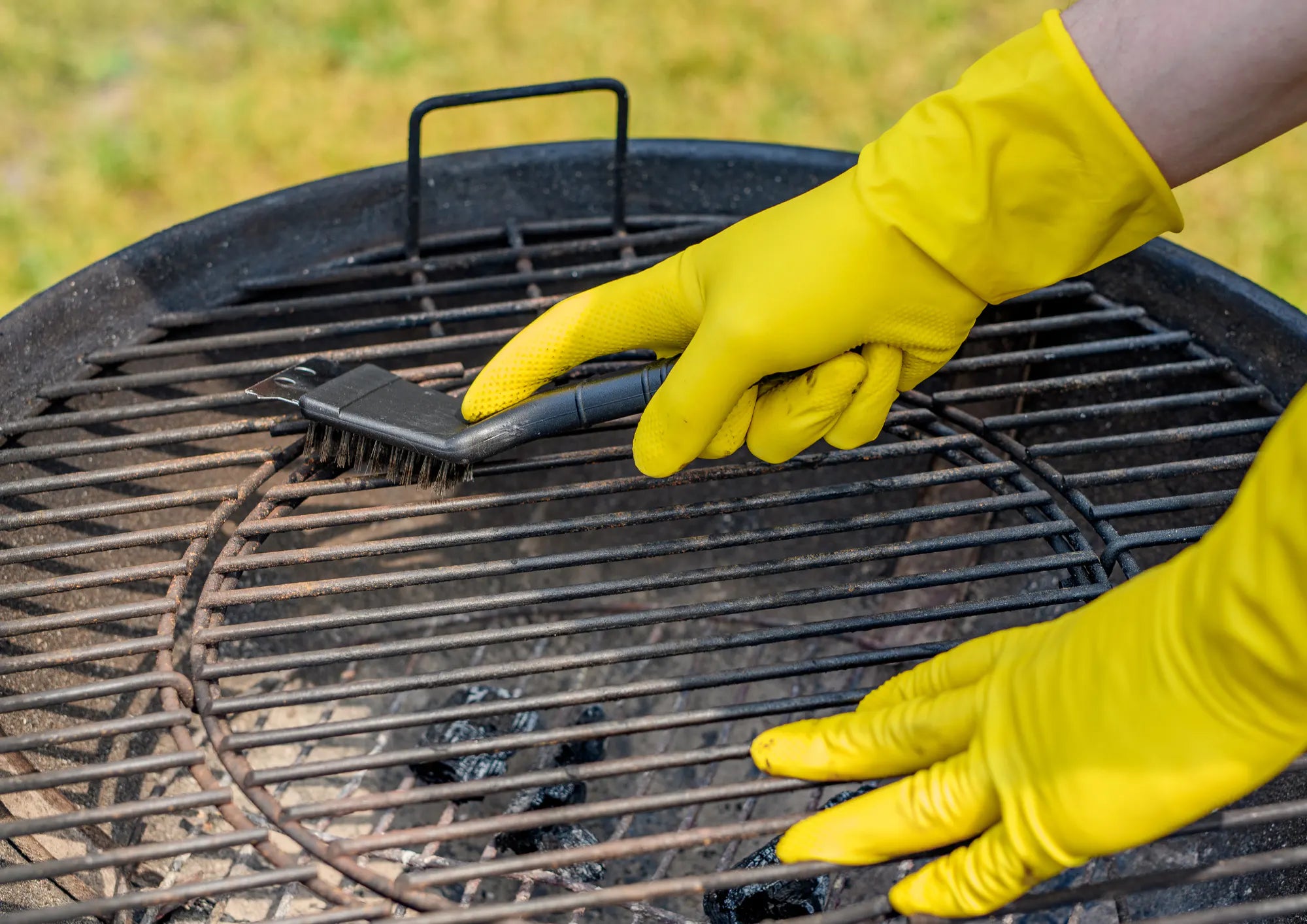
Dirty grill grates can cause flare ups from stuck grease and food bits. Clean grates help control heat and prevent flames.
- Heat the grill for 10 minutes to burn off residue.
- Use a grill brush to scrub the grates well.
- For stuck spots, apply a paste of baking soda and water.
- Rinse the grates with water and dry them before use.
Removing Ash And Debris
Ash buildup blocks airflow and causes flare ups. Clear ashes after each use to keep air flowing well.
| Why Remove Ash | How to Remove Ash |
| Prevents blocked air vents | Wait until ashes cool completely |
| Reduces flare ups | Use an ash scoop or small shovel |
| Keeps grill clean | Dispose ashes in a metal container |
Credit: themeatstick.com
Managing The Fire
Controlling flare ups on a charcoal grill is important for cooking food evenly. Flare ups happen when fat drips on hot coals. Managing the fire helps keep the grill safe and food tasty.
You can manage flare ups by controlling air vents and arranging coals. These steps help keep the heat steady and reduce sudden flames.
Controlling Air Vents
Air vents control how much oxygen reaches the charcoal. More oxygen makes the fire hotter and can cause flare ups. Less oxygen lowers the heat and keeps flames smaller.
Adjust the vents to control the fire’s size. Close the vents a little if flames get too big. Open them more to keep coals burning well without flare ups.
- Open vents fully for strong heat at the start
- Partially close vents to reduce flare ups
- Close vents almost completely to lower heat
Arranging Coals For Even Heat
Place coals in a way that spreads heat evenly. This helps cook food without burning it or causing flare ups. Use two zones: one side with coals for heat, one side without for cooler cooking.
Stack coals in a pile or spread them thin depending on the heat you want. Keep some space between coals so air flows well. This stops hot spots and flare ups.
- Make a coal pile for high heat cooking
- Spread coals evenly for medium heat
- Create an empty side to move food away from flames
- Leave space between coals for air flow
Safe Cooking Practices
Charcoal grilling can create flare ups that burn food and cause safety issues. You can prevent these flare ups by following safe cooking methods. Understanding how to manage fat, heat, and space helps keep cooking safe and tasty.
Below are key practices to reduce flare ups and enjoy a better grilling experience.
Trimming Excess Fat
Fat drips onto hot coals and causes flames to rise quickly. Cutting off extra fat from meat lowers this risk. Trim fat close to the meat but leave some for flavor.
- Use a sharp knife to remove thick fat layers
- Trim edges of meat to reduce dripping
- Keep a balance to avoid drying out the meat
Using A Drip Pan
A drip pan catches fat and juices before they hit the coals. This stops flames from flaring up. Place the pan under the grill grate where the meat cooks.
| Drip Pan Types | Benefits |
| Aluminum foil pan | Easy to use and disposable |
| Metal drip tray | Reusable and sturdy |
| Water-filled pan | Keeps heat even and reduces smoke |
Avoiding Overcrowding
Too much food on the grill reduces airflow and raises flare up chances. Leave space between items to help heat spread evenly. This keeps food cooking safely without flames jumping.
- Place meat and vegetables with some room around each piece
- Use multiple grill racks if needed
- Turn food regularly to cook all sides well

Credit: www.siuhaau.com
Tools To Handle Flare Ups
Flare ups on a charcoal grill can be sudden and dangerous. Using the right tools helps control them quickly. These tools keep you safe and protect your food from burning.
Here are some important tools to handle flare ups effectively while grilling.
Long-handled Tongs And Brushes
Long-handled tongs help you move food away from flames safely. They keep your hands far from heat.
Long-handled brushes clean the grill grates without getting too close. Clean grates reduce flare ups caused by leftover grease.
- Use tongs to turn food gently and avoid flare ups.
- Brush grates before and after grilling to remove grease.
- Choose tools with heat-resistant handles for safety.
Water Spray Bottles
Water spray bottles help control small flare ups quickly. A light spray can cool down flames before they get bigger.
Do not spray too much water. It can create steam and ash, which may affect your food’s taste.
- Keep a spray bottle filled with water nearby while grilling.
- Use short sprays to control flames gently.
- Refill the bottle before starting your grill session.
Fire Extinguishers
Fire extinguishers are important for large flare ups or emergencies. They stop fires quickly and keep you safe.
Use a fire extinguisher rated for grease fires. Keep it close to your grilling area but away from direct heat.
- Check the extinguisher’s expiration date regularly.
- Learn how to use it before grilling.
- Call for help if a fire grows beyond control.
After-grilling Safety
Keeping safe after grilling is very important. This helps stop fires and accidents.
Two key things to focus on are putting out coals and cleaning your grill. Both keep your space safe and ready for next time.
Properly Extinguishing Coals
After you finish cooking, do not leave hot coals alone. They can still cause fire.
- Close the grill lid and vents to cut off air.
- Let the coals cool for at least 48 hours.
- Use water carefully to douse coals if needed.
- Stir ashes to check if any heat remains.
- Only throw away ashes when fully cold.
Cleaning And Maintenance
Cleaning the grill stops grease buildup. This reduces flare ups next time you grill.
| Cleaning Task | Why It Helps |
|---|---|
| Scrape grill grates after use | Removes food and fat that cause flames |
| Empty ash catcher | Prevents ash from blocking airflow |
| Check vents for blockages | Allows proper air to control heat |
| Wash grill parts monthly | Keeps grill safe and working well |

Credit: ddrbbqsupply.com
Frequently Asked Questions
What Causes Flare-ups On Charcoal Grills?
Flare-ups occur when fat drips onto hot coals, creating flames. They can also result from excessive oil on food. To minimize flare-ups, use lean cuts of meat and trim excess fat. Keep a spray bottle of water handy to control small flare-ups without affecting the grill’s temperature.
How Can I Prevent Flare-ups Effectively?
To prevent flare-ups, ensure your grill is clean and free of grease. Control the heat by arranging coals properly and using a two-zone setup. Cook foods with a lower fat content and use a drip pan to catch juices. Keep a close eye on your grill to manage any sudden flare-ups.
Is Water Effective In Controlling Flare-ups?
Yes, water can help control small flare-ups. Use a spray bottle to mist water over the flames, which can quickly extinguish them. However, be cautious not to use too much water as it can lower the grill’s temperature. Always focus on preventing flare-ups by managing fat and heat.
Should I Keep The Grill Lid Open Or Closed?
Keep the lid closed to maintain consistent heat and minimize flare-ups. An open lid allows oxygen to fuel the flames, increasing the risk of flare-ups. A closed lid helps control airflow, reducing flame intensity. Monitor your food carefully and adjust vents as needed for optimal grilling.
Conclusion
Preventing flare ups keeps your food safe and tasty. Control the heat by managing charcoal and fat. Keep the grill clean to avoid sudden flames. Use tools like spray bottles to handle small fires. Patience and attention help you grill better every time.
Enjoy cooking outside without worrying about flare ups. With these tips, grilling stays fun and stress-free. Your meals will come out juicy and full of flavor. Try these simple steps on your next cookout.