
Are you tired of your cutting board slipping and sliding across the counter while you’re trying to chop vegetables or slice bread? It’s not just frustrating; it can also be dangerous.
But don’t worry—there’s a simple solution that can make your kitchen tasks safer and more efficient. Imagine confidently preparing your meals without the constant worry of your cutting board moving unexpectedly. You’ll discover practical, easy-to-implement tips to keep your cutting board firmly in place.
Stay with us to learn how a few simple adjustments can transform your cooking experience and bring peace of mind back to your kitchen.
Why Cutting Boards Slide
Cutting boards slidebecause their bottoms are smooth or wet. Wet surfaces reduce friction, making boards easy to move. Sometimes, the countertop itself is slippery. Plastic boards tend to slide more than wooden ones.
The board might be too small or thin, causing it to shift during use. Food scraps or moisture under the board can also cause slipping. A worn-out or damaged board loses its grip on the surface.
- Accidental cutshappen if the board moves while chopping.
- Slipping boards increase the risk of knives sliding off.
- Injury can occur from sudden shifts.
- Messy kitchens result from fallen food or cutting tools.

Credit: www.amazon.com
Choosing The Right Cutting Board
Choosing the right cutting board helps stop it from sliding during use. The materialof the board plays a big role in stability. Wood boards tend to grip the counter better than plastic ones. Bamboo is also a good choice because it is firm and slightly textured.
Boards with rubber edgesor feet prevent slipping easily. Plastic boards often slide unless they have these features. A smooth plastic board can move around, which is unsafe.
Size and thickness matter too. A larger board covers more area and stays steady. Thicker boards are heavier and less likely to slide. Thin boards can bend and shift while cutting.
- Wood or bamboo material offers better grip
- Rubber edges or feet increase stability
- Larger size covers more counter space
- Thicker boards add weight and reduce sliding
Simple Fixes To Stop Sliding
Place a damp towelunder the cutting board to keep it steady. The moisture helps the towel stick to the counter and the board, stopping it from sliding around. This simple trick works well on smooth surfaces.
Use non-slip matsdesigned to hold kitchen tools in place. These mats provide a strong grip and are easy to clean. They come in various sizes to fit different cutting boards.
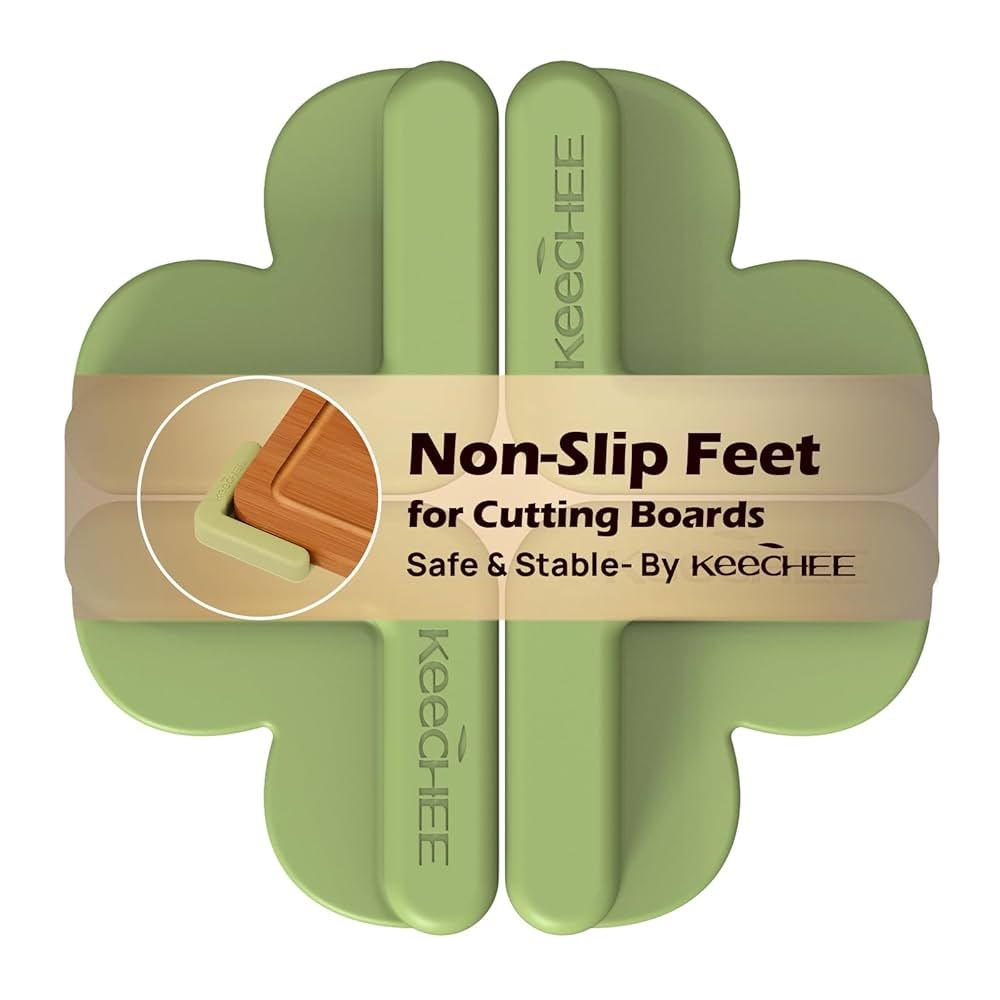
Attach rubber feet or padsto the bottom corners of the cutting board. These small pads raise the board slightly and create friction against the countertop. They help keep the board stable during chopping or slicing.

Credit: www.amazon.com
Diy Solutions For Stability
Hot glue bumps on the bottom of the cutting board add grip. They stop the board from moving on smooth surfaces. Just squeeze small dots of hot glue in each corner and let them dry. This makes the board stable and safe to use.
Silicone strips work well as non-slip supports. Cut thin strips and stick them under the board. Silicone grips the countertop tightly, preventing slips. These strips last long and clean easily too.
Shelf liners can keep cutting boards steady. Place a piece of liner on the counter, then put the board on top. The textured surface stops sliding. Choose liners that are washable and have good grip.
Maintenance Tips To Keep Boards Stable
Keeping cutting boards stable starts with cleaningthem well. Use warm, soapy water to remove food and grease. Rinse thoroughly to avoid slippery surfaces. After washing, dry the board completely using a clean towel. Moisture can cause the board to slide on countertops.
Surface carealso helps. Roughen the bottom slightly with sandpaper to add grip. Placing a damp cloth or non-slip mat under the board prevents movement. Regularly check for deep cuts or cracks, as these can make the board less stable.
When To Replace Your Cutting Board
Cutting boards must be replaced when they show deep cutsor cracks. These damages can hide bacteriathat is hard to clean. Boards with warpingor splittinglose their stability and may slip more easily.
Using a damaged board increases the risk of contaminationand accidents. Food can get stuck in grooves, making it unsafe. A board that slides can cause cutsand injuries.
| Signs of Wear | Safety Considerations |
|---|---|
| Deep cuts or grooves | Can hide bacteria |
| Cracks or splits | Increase risk of injury |
| Warping or bending | Causes instability and sliding |
| Loose or missing rubber feet | Reduces grip on the counter |

Credit: x.com
Frequently Asked Questions
How Can I Stop My Cutting Board From Sliding?
Place a damp kitchen towel or non-slip mat under the board. This creates friction and prevents movement while cutting. Alternatively, use a silicone grip pad designed for cutting boards to keep it stable.
Are Non-slip Pads Effective For Cutting Boards?
Yes, non-slip pads provide excellent grip and prevent sliding. They are affordable, easy to use, and washable. These pads are a popular solution for ensuring safety and stability during food preparation.
Can A Damp Towel Really Secure A Cutting Board?
Absolutely. A damp towel increases friction between the board and countertop. It’s a simple, cheap, and effective method to keep the board steady while chopping.
What Materials Work Best To Prevent Sliding?
Silicone, rubber, and textured mats work best to stop sliding. These materials provide strong grip and durability. They also resist water and are easy to clean.
Conclusion
Preventing cutting boards from sliding keeps cooking safe and smooth. Use damp towels or non-slip mats under boards for stability. Choose cutting boards with grips or rubber feet for extra hold. Keep the surface clean and dry to avoid slips.
These simple steps protect fingers and improve cutting precision. Enjoy cooking with confidence and less worry. Small changes make a big difference in your kitchen. Try these tips today and see the easy results for yourself. Safe cutting is a smart habit anyone can learn.