
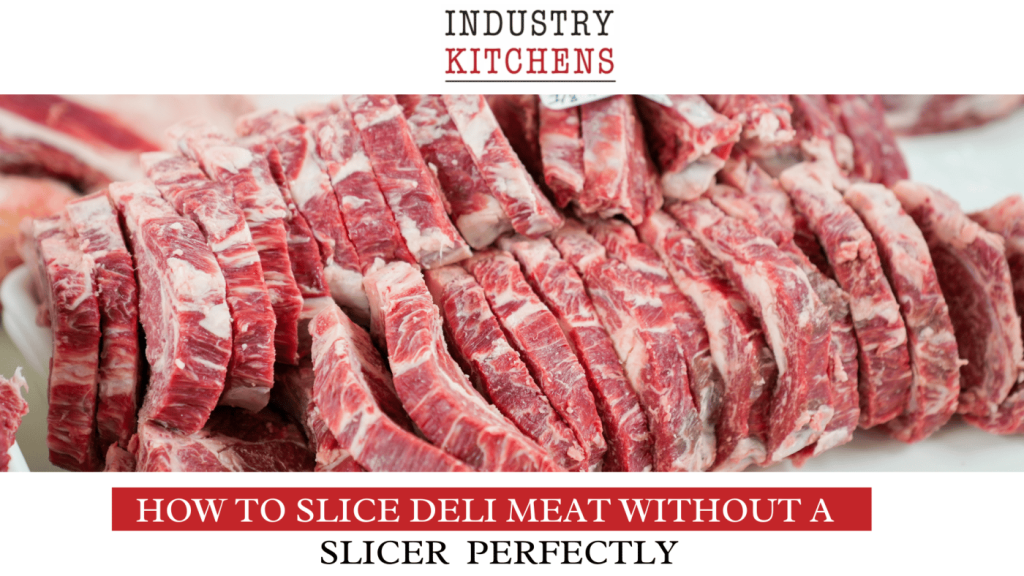
If you want perfect, even slices every time you use your meat slicer, how you prepare the meat matters more than you might think. Getting your meat ready the right way not only makes slicing easier but also keeps your slicer working smoothly and safely.
You’ll discover simple steps to prepare your meat like a pro before slicing. Follow these tips, and you’ll save time, avoid frustration, and enjoy better results—whether you’re making sandwiches, charcuterie boards, or meal prep. Ready to master your meat slicer?
Let’s dive in.

Credit: www.wikihow.com
Choose The Right Meat
Choose fresh cutsof meat for the best slicing results. Fresh meat is firm and looks bright in color. Avoid meat with dark spots or a bad smell.
Meat texture matters a lot. Select cuts that are not too soft or too tough. Firm texture helps the slicer cut even slices easily.
- Trim excess fatbefore slicing. Fat can make the slicer blade slip.
- Cut off any silver skin or sinew to make slicing smoother.
- Removing extra fat helps create neat, clean slices.

Credit: m.youtube.com
Chill The Meat
Meat should be cooled before slicing. The ideal temperature is just above freezing. This makes it easier to slice without tearing.
Place meat in the freezer for a short time. This helps it become firm. Do not freeze it completely. A little firmness helps in getting even slices.
Chill meat for about 30 minutes. This is enough time to firm it up. Too long in the freezer makes it hard. Keep an eye on the clock.
Prepare The Slicer
Clean the blade before slicing meat. Use warm water and soap to remove any dirt. Sanitize the blade with a food-safe cleaner to kill germs. Dry the blade with a clean cloth to avoid rust.
Adjust the thickness setting to control slice size. Thin slices cook faster and are easier to chew. Thicker slices keep more juice inside the meat. Set the dial to the right thickness before starting.
Check the blade sharpness regularly. A sharp blade cuts meat smoothly and safely. Dull blades can tear the meat or cause accidents. Use a sharpening tool or replace the blade when needed.
Cut Meat Into Manageable Portions
Cutting meat into manageable portionshelps keep the slicer safe and efficient. Pieces that are too big can cause jams or uneven slicing. Aim for sizes that fit comfortably on the slicer platform. This keeps controland reduces risk of accidents.
Uniform pieces make slicing consistent. When meat is the same size, each slice has the same thickness. This is important for cooking and presentation. It also helps the slicer work smoothly without extra force.
- Cut meat into pieces about 3-4 inches wide.
- Trim away large fat chunks for better slicing.
- Keep pieces flat and even for steady slicing.
Secure The Meat Properly
Properly securing meat is essentialfor safe and even slicing. Using meat holderskeeps the meat stable and prevents movement. These holders grip the meat firmly, reducing the risk of accidents.
To prevent slippage, ensure the meat surface is drybefore placing it in the slicer. Wet meat can slide, causing uneven slices and danger. Also, adjust the holder to fit the meat size snugly. Avoid forcing the meat, as it might slip out during slicing.
- Use holders with sharp prongs for a better grip.
- Check the holder’s position before turning on the slicer.
- Keep hands away from the blade while adjusting.
- Slice slowly to maintain control and safety.
Slice With Consistency
Applying steady pressurehelps create slices that are uniform. Uneven pressure causes the meat to have thick and thin parts. Keep your hand firm but gentle on the meat. This control helps the slicer blade cut smoothly through each piece.
Control the slicer speed to get even cuts. Too fast can make the slices rough and jagged. Too slow may cause the meat to stick or tear. A steady, moderate speed works best for clean, neat slices every time.
Store Sliced Meat Safely
Use airtight containersto keep sliced meat fresh longer. These containers stop air from drying out the meat and prevent bad smells from spreading in the fridge. Always seal containers tightlyafter placing the meat inside.
Label each package with the type of meat and the date it was sliced. This helps you use the oldest meat first and avoid wasting food. Use a permanent markeror stickers to write clear labels.
| Storage Temperature | Recommended Time |
|---|---|
| Below 40°F (4°C) | Use within 3-5 days |
| Freezer (-0°F / -18°C) | Store up to 2 months |
Keep sliced meat in the fridge at or below 40°F. Avoid leaving meat out at room temperature. Proper refrigeration slows bacteria growth and keeps meat safe to eat.

Credit: www.youtube.com
Frequently Asked Questions
How Do You Safely Prepare Meat Before Using A Slicer?
Always chill the meat before slicing. Trim excess fat and remove bones. Use a clean cutting board and sanitize the slicer before and after use to avoid contamination.
Why Should Meat Be Partially Frozen Before Slicing?
Partially freezing firms up the meat, making it easier to slice thinly. It also prevents the meat from sticking to the slicer blade, ensuring clean, uniform slices.
What Thickness Is Ideal For Slicing Meat With A Slicer?
Set the slicer to 1/8 to 1/4 inch thickness for most meats. Adjust based on recipe needs, but thinner slices usually cook evenly and improve texture.
How Do You Maintain Hygiene When Preparing Meat For Slicing?
Wash hands thoroughly before handling meat. Use separate utensils for raw meat. Clean and sanitize the slicer and surfaces regularly to prevent bacterial growth.
Conclusion
Preparing meat before using a slicer ensures clean, even slices every time. Keep the meat cold and firm for the best results. Trim any excess fat or sinew to avoid uneven cutting. Always use a sharp blade and handle the slicer safely.
These simple steps save time and improve the quality of your sliced meat. Practice these tips regularly to slice meat like a pro. Ready to enjoy perfectly sliced meat in your meals?