
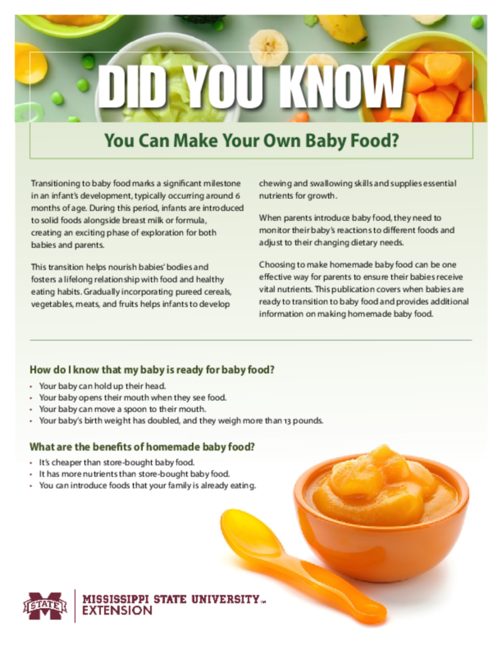
Getting your baby’s food just right can feel overwhelming. You want to make sure every bite is safe, healthy, and tasty.
But how do you start? How do you prepare ingredients that nourish your little one and support their growth? You’ll discover simple, practical steps to prepare baby food ingredients with confidence. By the end, you’ll feel ready to create meals that your baby will love and benefit from.
Keep reading to unlock easy tips that make mealtime stress-free and enjoyable for both you and your baby.

Credit: www.todaysparent.com
Choosing Fresh Ingredients
Organic produceis grown without synthetic pesticides and fertilizers. This makes it a safer choice for babies. Conventional produce might have residues but is usually less expensive. Choose organic for fruits and vegetables eaten with skins, like apples and carrots.
- Best fruits:Bananas, pears, apples, avocados, and peaches.
- Best vegetables:Sweet potatoes, carrots, peas, squash, and green beans.
Check for ripenessby looking for bright colors and a slight softness. Avoid bruised or moldy produce. Fresh ingredients have better taste and nutrients for baby food.
Washing And Cleaning
Rinse fruits and vegetables thoroughly under running water to remove dirt and bacteria. Use a clean cloth or brush to scrub firm produce before peeling or chopping. Always wash hands and utensils before handling baby food ingredients to keep everything safe and clean.
Proper Washing Techniques
Rinse fruits and vegetables under running water. Use a soft brush for firm produce. Dry them with a clean towel. This helps remove dirt and germs. Make sure to wash hands before and after handling food. Clean surfaces and cutting boards too.
Removing Pesticides And Contaminants
Soak produce in a vinegar-water solution. Use one part vinegar, three parts water. Let them soak for 10 minutes. Rinse thoroughly with fresh water. This helps reduce pesticides and other contaminants.
Sanitizing Tools And Utensils
Wash all tools with hot, soapy water. Rinse them well and let them air dry. Use a dishwasher if available. Ensure knives and cutting boards are clean before use. This prevents bacteria spread.
Peeling And Cutting
Safe peelinghelps keep baby food clean and healthy. Use soft peelers made for fruits and vegetables. Avoid peeling too deep to keep nutrients. Wash food well before peeling.
Age-appropriate cuttingmeans cutting food into small, easy-to-eat pieces. For babies under 6 months, blend or mash food smooth. For older babies, cut into small cubes or strips to prevent choking.
- Use baby-safe kniveswith rounded tips and small blades.
- Try plastic knives made for children to practice cutting.
- Use a cutting board with a non-slip surface.
- Always supervise babies and toddlers during cutting and eating.
Cooking Methods
Steamingis one of the best ways to keep vitamins in baby food. It cooks food gently using hot steam. This stops nutrients from washing away. Steamed vegetables and fruits stay soft but still healthy.
Boiling and simmering are easy ways to cook baby food too. Use just enough water to cover the food. Keep the heat low to avoid fast cooking. This helps keep good flavors and nutrients inside.
Avoid overcooking by checking food often. Overcooked food loses taste and nutrients. Soft but not mushy is the goal. Cook food until a fork can easily go through it.
Pureeing And Mashing
Choose a blender, food processor, or masherbased on texture needs. Blenders work well for very smooth purees. Mashers give more chunky textures for older babies. Food processors offer a balance of both.
To get the right texture, start by blending or mashing a small amount. Add more liquid to adjust thickness. Liquids like breast milk, formula, or waterhelp reach the perfect consistency.
| Texture | Equipment | Liquid to Add |
|---|---|---|
| Smooth | Blender | Breast milk or water |
| Chunky | Mashers | Formula or water |
| Mixed | Food processor | Breast milk or formula |
Storing Baby Food
Use clean, airtight containersto store baby food. Glass or BPA-free plastic containers work well. Label each container with the dateand type of food. This helps keep track of freshness and prevents feeding spoiled food.
Freeze baby food in small portions. It makes thawing easier and reduces waste. Thaw food in the fridge or warm water. Never thaw at room temperature. Stir food well before serving to check for hot spots.
| Type of Food | Refrigerator Shelf Life | Freezer Shelf Life |
|---|---|---|
| Freshly cooked fruits and vegetables | 1-2 days | 1-3 months |
| Cooked meats | 1 day | 1-2 months |
| Pureed grains | 1-2 days | 1-3 months |
Allergy And Safety Precautions
Introduce new foods slowlyto watch for any reactions. Give only one new food at a time. Wait 3 to 5 days before trying another. This helps spot which food causes allergies.
Signs of allergic reactionsinclude rash, swelling, vomiting, or diarrhea. If any of these happen, stop that food and ask a doctor.
Avoid harmful ingredientslike honey, whole nuts, and added salt or sugar. These can be unsafe for babies and hard to digest.
- Feed small amounts first
- Watch closely for changes in baby’s skin or behavior
- Use fresh, clean ingredients
- Cook foods fully to reduce bacteria risk
- Never leave baby unattended while eating
Credit: makoons.com

Credit: happymoneysaver.com
Frequently Asked Questions
How Do I Wash Fruits For Baby Food Preparation?
Rinse fruits thoroughly under cold running water. Use a soft brush for firm produce. This removes dirt and pesticides, ensuring safe baby food.
What’s The Best Way To Cook Vegetables For Babies?
Steam or boil vegetables until soft. Avoid adding salt or sugar. Steaming preserves nutrients and makes pureeing easier for baby food.
How Can I Store Prepared Baby Food Safely?
Store homemade baby food in airtight containers. Refrigerate for up to 48 hours or freeze for up to 1 month. Label with the date for freshness.
When Should I Introduce New Ingredients To Baby Food?
Introduce one new ingredient every 3 to 5 days. Watch for allergic reactions or digestive issues. This helps identify any food sensitivities early.
Conclusion
Preparing baby food ingredients takes care and attention. Always wash fruits and vegetables well. Choose fresh and soft foods to make purees. Cut ingredients into small pieces for easy cooking. Cook foods thoroughly to avoid any germs. Use simple tools to mash or blend foods smoothly.
Store prepared food safely in clean containers. Keep meals fresh by refrigerating or freezing properly. This helps your baby enjoy tasty, healthy meals every day. Consistency matters. With practice, preparing baby food becomes easier and more natural.