
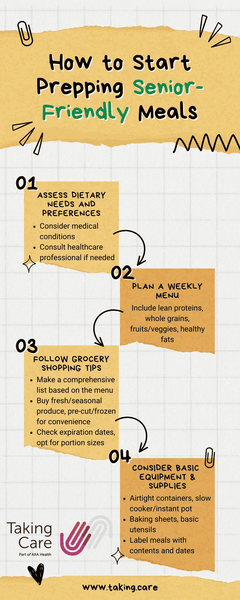
Are you tired of cooking large meals only to waste half of it? Preparing small portions for meal planning can save you time, money, and stress.
Imagine having perfectly sized meals ready to grab whenever you need them—no more overeating, no more food going bad. You’ll discover simple, practical tips to help you master small-portion meal prep. By the end, you’ll feel confident in creating balanced meals that fit your lifestyle and keep your kitchen organized.
Ready to make your meal planning easier and more efficient? Let’s dive in!
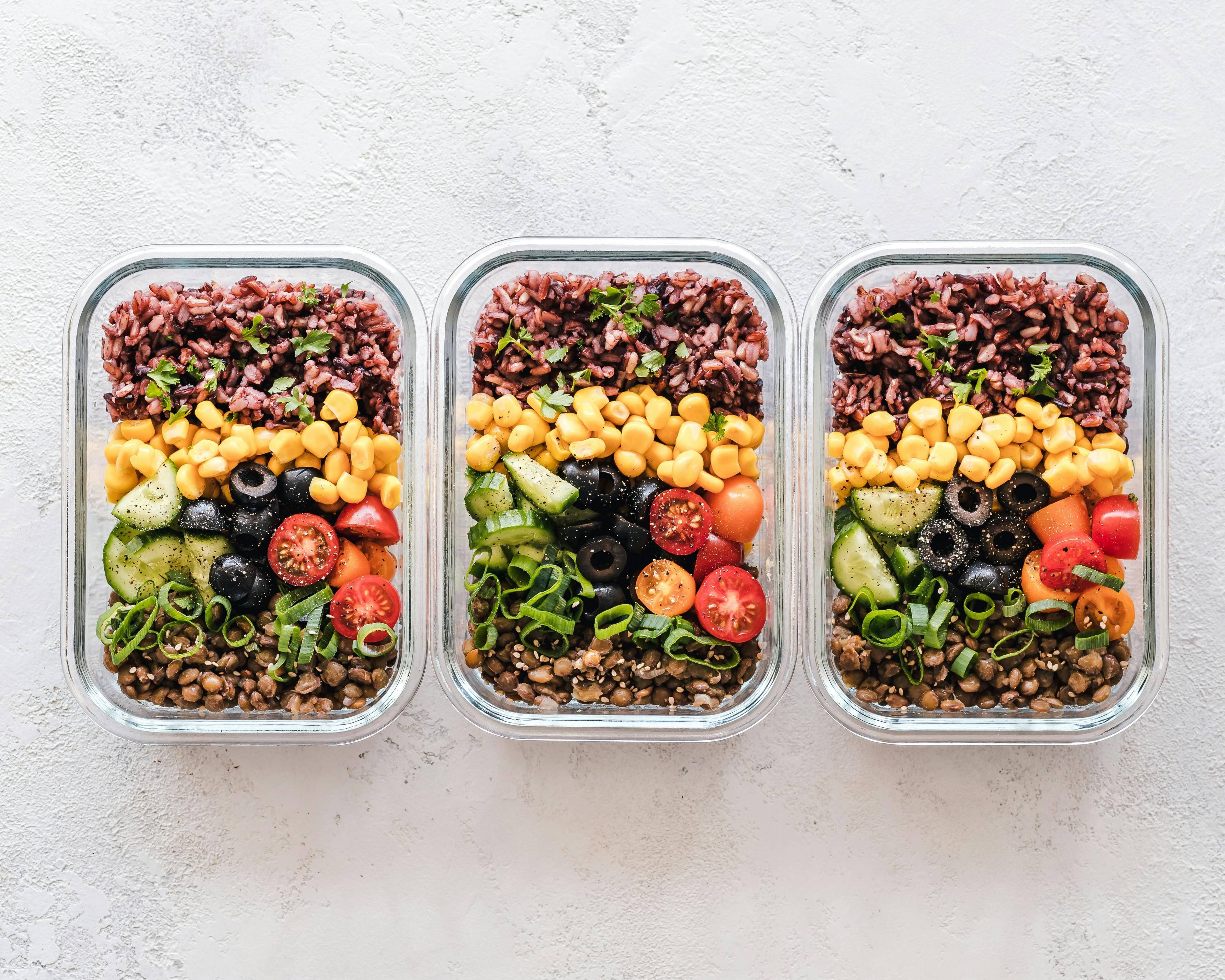
Credit: www.hellofresh.com
Benefits Of Small Portion Meal Prep
Small portion meal prephelps reduce food waste. You only cook what you need. Less leftover food means less thrown away. It is good for the environment and your wallet.
Controlling portion sizes helps you eat the right amount. It can stop overeating and keep you healthy. Smaller portions make meals easier to plan and balance.
Saving time and money is a big benefit. Preparing small portions means you spend less time cooking. You buy only what you need. This can cut down on grocery bills and kitchen work.
- Reduce Food Waste:Cook only what you need, less waste.
- Control Portion Sizes:Eat the right amount, stay healthy.
- Save Time and Money:Less cooking time, lower grocery bills.
Choosing The Right Containers
Choose containers that fit your portion sizes to keep meals fresh and organized. Clear, stackable containers save space and make meal prep easier. Select sizes that match your planned servings for better portion control.
Size Matters
Small containers are perfect for tiny meals. Use them for snacks or sauces. Medium containers work for soups or salads. Large containers suit full meals. Always choose the right size for your food.
Material Options
Containers come in glass, plastic, and metal. Glass is clear and easy to clean. Plastic is light and unbreakable. Metal keeps food hot or cold. Pick the material that fits your needs.
Stacking And Storage Tips
Stack containers to save space in your kitchen. Use labels to know what’s inside. Place heavier containers at the bottom. This keeps your storage neat and tidy.
Selecting Ingredients For Small Meals
Proteinslike chicken, eggs, and tofu work well for small meals. They cook fast and can be used in many recipes. Choose lean cutsfor healthy options. Small packs or portions help avoid waste.
Fresh produceoffers better taste but has a short shelf life. Frozen fruits and vegetableslast longer and keep nutrients. Pick what fits your meal plan best.
| Grains | Legumes |
|---|---|
| Rice | Lentils |
| Quinoa | Chickpeas |
| Oats | Black beans |
Choose grains and legumes that cook quickly. Store in small containers to keep fresh.
Batch Cooking Strategies
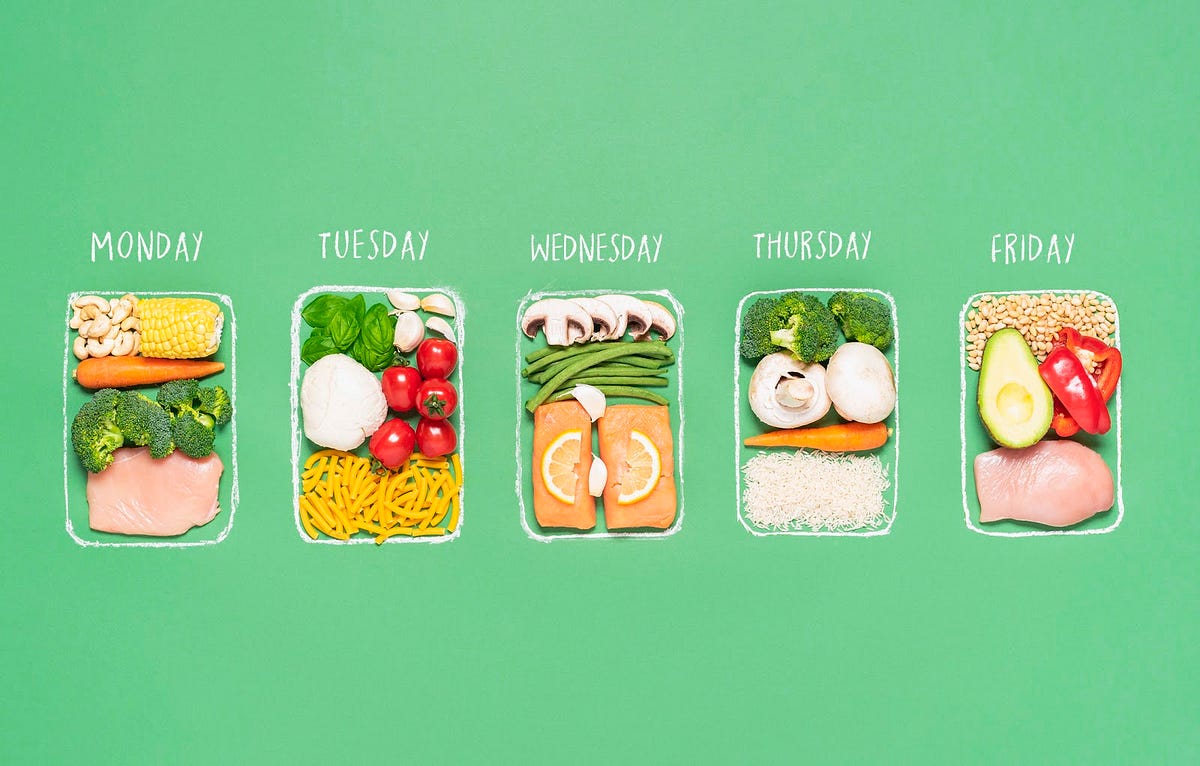
Choose recipes that can be used in different meals. This saves time and reduces waste. For example, cooked chicken works well in salads, sandwiches, or pasta dishes. Prepare a base ingredient once and then add variety with sauces or spices.
Cook larger amounts at one time to eat over several days. Store portions in small containers for easy grab-and-go meals. This helps keep meals fresh and saves cooking effort.
Plan your prep sessions when you have free time. Weekend mornings or evenings work well for many people. Set aside a few hours to cook and pack meals. This makes weekday meals simpler and faster.
Portioning Techniques
Measuring tools like cups, spoons, and food scales help control portion sizes. They make sure each meal is just right. Using these tools avoids eating too much or too little.
Visual guides help estimate portions without tools. For example:
- A fist equals about one cup of veggies or grains.
- The palm of your hand matches a protein serving.
- A thumb can show the size of a healthy fat portion.
Labeling containers with the date and contents keeps track of meals. It helps know what to eat first and avoid waste. Tracking meals also helps plan balanced nutrition throughout the week.
Credit: sunnychopper.medium.com
Storing And Reheating Tips
Small portions stay fresh longer with the right storage conditions. Use airtight containers to keep food safe from air and moisture. Store meals in the fridge if you plan to eat within 3-4 days. For longer storage, freeze meals in small, labeled packs.
Heat food evenly to avoid cold spots that can harbor bacteria. Use microwave-safe dishes and cover food to keep moisture. Stir meals halfway through reheating to warm them well. Avoid reheating food more than once to keep it safe.
| Storage Type | Temperature | Shelf Life |
|---|---|---|
| Refrigerator | Below 40°F (4°C) | 3-4 days |
| Freezer | Below 0°F (-18°C) | 2-3 months |
Incorporating Variety
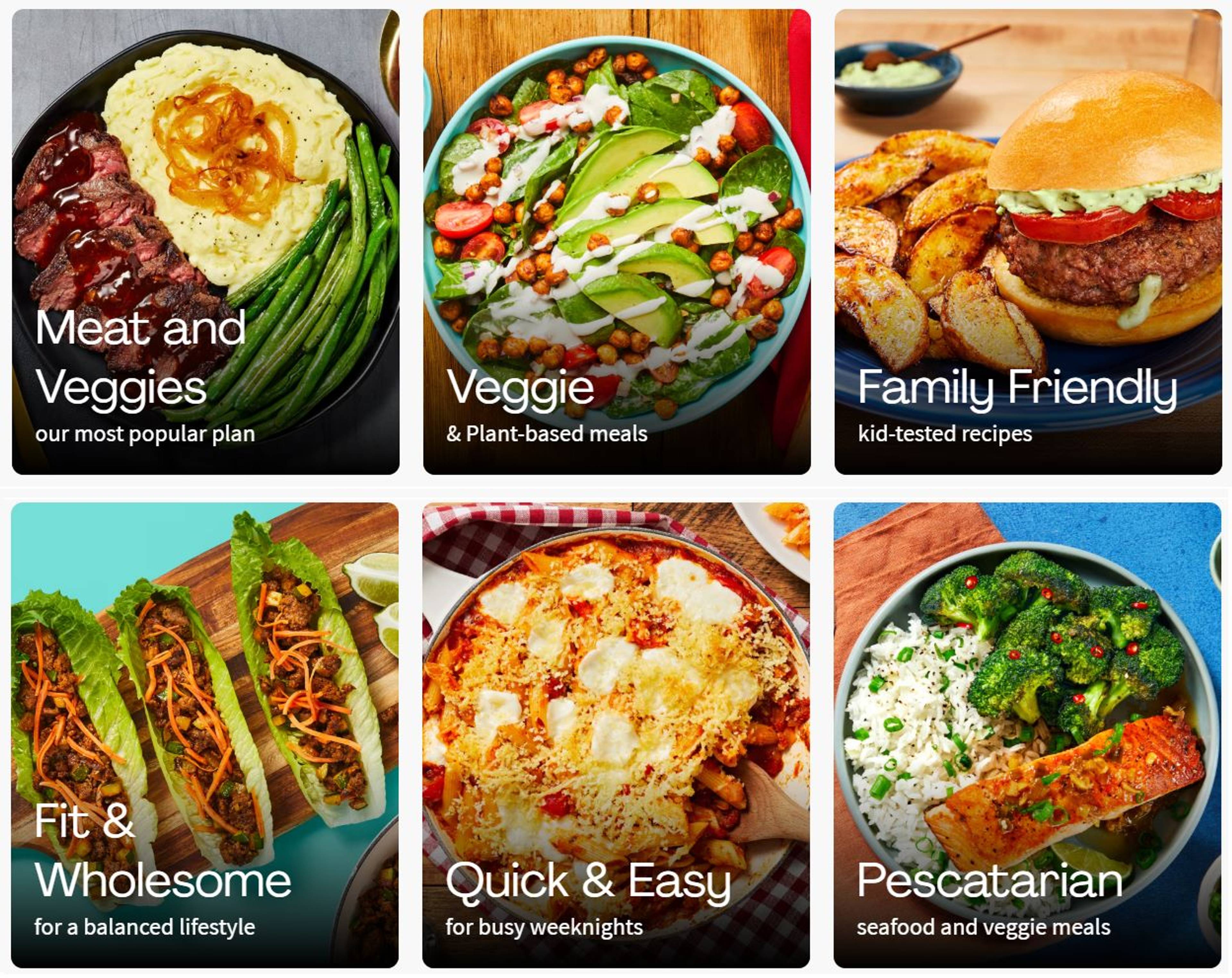
Mixing and matching ingredients keeps meals interesting and fresh. Combine different proteins, grains, and vegetables to create unique dishes. This approach helps avoid boredom and keeps your meals balanced.
Flavor boosters like herbs, spices, and sauces add taste without extra calories. Simple additions such as garlic, lemon juice, or chili flakes brighten small portions. Experiment with these to enhance your meals quickly.
Seasonal choices ensure fresh and affordable ingredients. Using fruits and vegetables in season means better flavor and nutrients. This also supports local farmers and reduces environmental impact.
Credit: www.hellofresh.com
Common Mistakes To Avoid
Overcomplicating mealscan lead to wasted time and frustration. Simple recipes with few ingredients work best. Choose meals that are easy to prepare and store.
Ignoring food safetyrisks health problems. Always wash hands and utensils before cooking. Store food in clean containers and refrigerate promptly to avoid spoilage.
Neglecting nutritional balancemay cause unhealthy eating. Include a good mix of proteins, vegetables, and grains. Small portions should still provide energy and nutrients.
Frequently Asked Questions
What Are The Best Containers For Small Portion Meal Prep?
Use airtight, BPA-free containers in various sizes for portion control. Glass containers are ideal as they are durable and microwave-safe. Choose stackable options to save fridge space and keep meals fresh longer.
How To Plan Balanced Small Portion Meals Effectively?
Include protein, carbs, and vegetables in every small portion. Use measuring tools to control serving sizes. Plan meals ahead using a weekly menu to maintain nutrition and variety.
Can Small Portion Meal Prep Help With Weight Management?
Yes, prepping small portions controls calorie intake and reduces overeating. It promotes mindful eating by preventing large, unplanned meals. This method supports consistent, healthy habits and weight goals.
How Long Do Small Portion Meals Last In The Fridge?
Typically, small portion meals last 3 to 4 days refrigerated. Store meals in airtight containers to maintain freshness. Label containers with dates to track meal safety and avoid spoilage.
Conclusion
Preparing small portions makes meal planning easier and less wasteful. It helps control food amounts and saves cooking time. You can enjoy fresh meals every day without stress. Keep your portions balanced with proteins, veggies, and grains. Use containers that suit your needs and keep food fresh.
Simple steps lead to better eating habits and less food thrown away. Start small, stay consistent, and see the benefits grow. Meal planning becomes fun and manageable with these easy tips.