
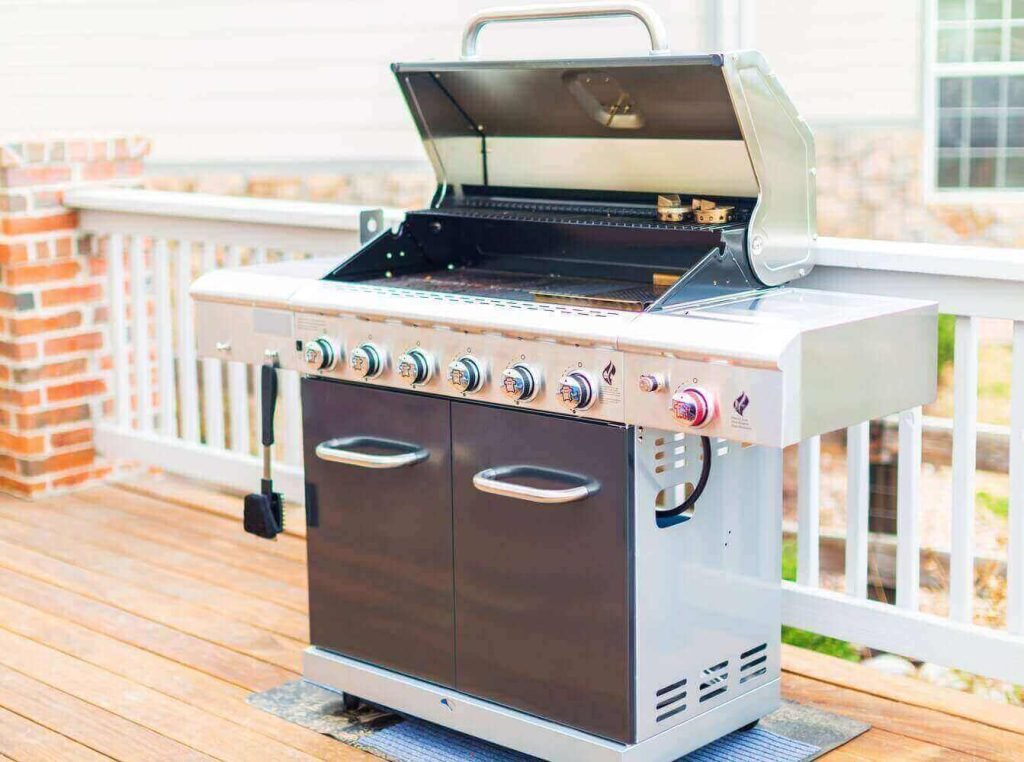
If you want juicy, perfectly cooked meals from your gas grill, knowing how to preheat it right is key. Skipping this simple step can lead to uneven cooking and less tasty food.
But don’t worry—preheating your gas grill is easy once you know how. In this guide, you’ll discover the quick and effective way to get your grill ready, so your next barbecue is a hit. Keep reading to unlock the secret to grilling like a pro every time!
Credit: spiceworldinc.com
Why Preheating Matters
Preheating a gas grill prepares it for cooking. It heats the grates to the right temperature before you add food.
This step helps cook food better and improves the taste. It also makes grilling safer and easier.
Enhance Flavor And Texture
Preheating creates a hot surface that sears food quickly. This locks in juices and flavor.
A well-heated grill gives food a crispy outside and a tender inside. This improves the texture and taste.
Prevent Food From Sticking
Hot grill grates reduce food sticking. When the grates are cold, food tends to stick and tear.
Preheating helps create a natural non-stick surface. This makes flipping and removing food easier.
- Heat grates for 10-15 minutes before cooking
- Clean grates after preheating to remove residue
- Oil the grates or food to improve release
Ensure Even Cooking
Preheating allows the grill to reach a steady temperature. This helps cook food evenly on all sides.
Without preheating, heat is uneven. Some parts cook faster, while others stay raw.
- Preheat for 10-15 minutes before cooking
- Use a grill thermometer to check temperature
- Adjust burners for consistent heat across the grill

Credit: ddrbbqsupply.com
Preparing Your Gas Grill
Preheating your gas grill is important for cooking food evenly. Before you turn it on, you need to prepare the grill properly.
This guide helps you get your gas grill ready for preheating. Follow these simple steps to ensure a safe and clean grill.
Clean The Grates
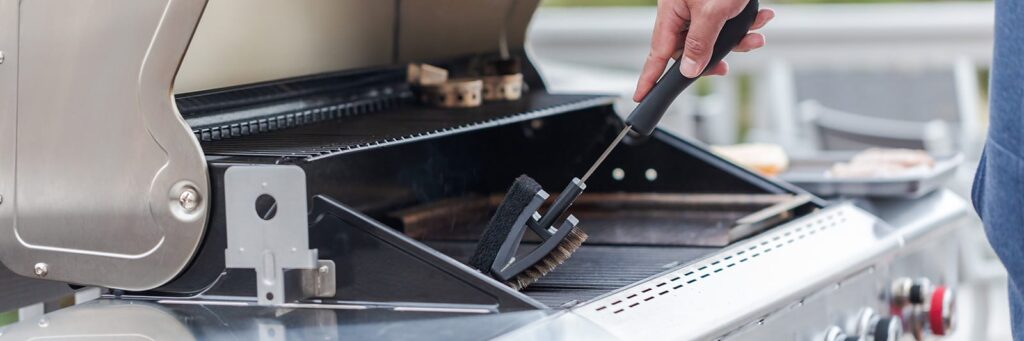
Start by cleaning the grill grates. Old food and grease can cause flare-ups and affect the taste of your food.
Use a grill brush to scrape off any stuck-on residue. You can also wipe the grates with a damp cloth after brushing.
- Brush grates before and after each use
- Remove any leftover ash or debris
- Check for rust or damage on the grates
Check The Gas Supply
Make sure your gas tank has enough fuel. A low gas supply can cause weak flames or prevent the grill from heating.
Inspect the gas hose for cracks or leaks. Use a soap and water mix to check for bubbles if you suspect a leak.
- Open the valve slowly to avoid gas bursts
- Replace the tank if it is empty or damaged
- Keep the gas tank upright and secure
Inspect Burners And Ignition
Look at the burners for blockages like spider webs or food bits. Blocked burners can cause uneven heat or no flame.
Test the ignition system to make sure it sparks easily. Replace batteries or clean ignition parts if needed.
- Remove debris from burner holes with a brush or wire
- Check that burner caps sit correctly
- Try lighting the grill using the ignition button
Setting The Right Temperature
Preheating your gas grill to the right temperature is key for great cooking. It helps food cook evenly and locks in flavors.
Knowing how to set and control your grill’s heat zones makes grilling easier and more effective.
Low, Medium, And High Heat Zones
Gas grills often have different heat zones. Use them to cook different foods at the right temperature.
- Low heat:250°F to 300°F, good for slow cooking and keeping food warm.
- Medium heat:300°F to 400°F, perfect for most grilling tasks like chicken and vegetables.
- High heat:400°F to 550°F, ideal for searing steaks and quick cooking.
Using The Grill Thermometer
A grill thermometer helps you know the exact temperature inside your grill. Use it to check if the grill is ready.
| Thermometer Reading | Heat Level | Use |
|---|---|---|
| 250°F – 300°F | Low | Slow cooking, warming |
| 300°F – 400°F | Medium | General grilling |
| 400°F – 550°F | High | Searing, fast cooking |
Adjusting Burners For Consistency
To keep heat steady, adjust your grill’s burners. This prevents hot or cold spots on the grill surface.
- Turn burners on low to warm the grill gently.
- Increase burner heat to reach your target temperature.
- Use multiple burners at different settings for heat zones.
- Check the thermometer often and tweak burner levels as needed.
Step-by-step Preheating Process
Preheating your gas grill is important for even cooking. It helps reach the right temperature before you start grilling.
Follow these simple steps to preheat your grill safely and correctly.
Open The Lid Before Lighting
Always open the grill lid before you turn on the gas. This prevents gas buildup inside the grill, which can be dangerous.
Turn On The Gas And Ignite
Turn the gas supply on and then ignite the grill using the built-in igniter or a lighter. Make sure the burners are lit properly.
- Turn the gas knob to the high setting.
- Press the ignition button or use a long lighter.
- Listen for the sound of the burners lighting.
- If no flame appears, turn off gas and wait before trying again.
Close The Lid And Wait
Close the grill lid after the burners are lit. This traps heat and helps the grill reach the right temperature faster.
| Grill Type | Preheat Time |
|---|---|
| Small Gas Grill | 5-7 minutes |
| Medium Gas Grill | 7-10 minutes |
| Large Gas Grill | 10-15 minutes |
Check For Proper Heat
Check if the grill has reached the right temperature. You can use a built-in thermometer or hold your hand above the grill grate.
- If the thermometer reads 400-450°F, the grill is ready for high-heat cooking.
- Hold your hand 5 inches above the grill grate:
- 2 seconds or less means very hot
- 3-4 seconds means medium heat
- 5-6 seconds means low heat
Common Preheating Mistakes
Preheating your gas grill is important for cooking food evenly. Many people make mistakes that affect the grilling results. Avoiding these errors saves time and improves taste.
Learn about common preheating mistakes and how to prevent them. This helps you get the best from your grill every time.
Skipping The Clean-up
Not cleaning the grill before preheating causes smoke and bad flavors. Old grease and food bits can burn and affect your meal.
- Remove leftover food scraps after each use
- Clean grill grates with a brush before lighting
- Check drip trays and empty them regularly
- Wipe down surfaces to prevent grease buildup
Preheating With The Lid Closed Too Soon
Closing the lid right after turning on the grill stops the burners from heating well. The air inside needs to warm up first to avoid flare-ups.
| Timing | Effect |
| Open lid for 2-3 minutes after ignition | Burners heat properly, less flare-up risk |
| Close lid immediately after lighting | Burners may not light well, uneven heat |
| Wait until grill reaches 400-500°F before closing lid fully | Better temperature control and cooking |
Ignoring Temperature Variations
Grills can have hot and cool spots. Ignoring these differences causes uneven cooking. Adjust the heat zones to match the food type.
- Use a grill thermometer to check different areas
- Place thicker foods in hotter zones
- Cook delicate items in cooler parts
- Adjust burner levels to balance heat
Tips For Perfect Grilling Every Time
Preheating your gas grill is key to cooking food evenly and locking in flavors. Taking time to prepare the grill properly makes a big difference in your grilling results.
Follow these simple tips to get the best from your gas grill every time you cook.
Use A Grill Cover To Retain Heat
Closing the grill lid while preheating helps keep the heat inside. This makes the grill reach the right temperature faster and keeps the heat steady when cooking.
- Always close the lid during preheating
- Use a grill cover to protect from wind and rain
- Check the lid seal to avoid heat loss
Allow Rest Time After Preheating
After the grill lights up and reaches the desired temperature, let it rest with the lid closed for 5 to 10 minutes. This stabilizes the heat and helps cook food evenly.
| Rest Time | Purpose |
| 5 minutes | Heat spreads evenly on grill grates |
| 10 minutes | Grill reaches stable cooking temperature |
| More than 10 minutes | May waste fuel and cause overheating |
Monitor Food Placement
Place food where the heat is best for it. Use hot zones for quick searing and cooler zones for slow cooking. Move food around to avoid burning.
- Put thick cuts on the hottest part of the grill
- Use indirect heat for delicate foods like fish
- Keep space between items for even heat flow

Credit: ddrbbqsupply.com
Frequently Asked Questions
How Long To Preheat A Gas Grill?
Preheat your gas grill for about 10-15 minutes. This ensures the grates reach the ideal cooking temperature. Preheating helps in achieving those perfect grill marks and prevents food from sticking. For high heat, aim for 450-500°F; for medium heat, 350-400°F is sufficient.
Why Is Preheating A Gas Grill Important?
Preheating a gas grill is crucial for even cooking. It allows the grill to reach the desired temperature. This process also ensures that food doesn’t stick to the grates. Proper preheating enhances flavors and texture, giving your grilled dishes a professional finish.
Can You Preheat A Gas Grill With The Lid Open?
It’s best to preheat with the lid closed. This helps the grill reach the desired temperature faster. Closing the lid traps the heat inside, making the grill more efficient. An open lid allows heat to escape, prolonging the preheating process.
What Temperature Should A Gas Grill Be Preheated To?
Preheat your gas grill to 450-500°F for high heat cooking. For medium heat, aim for 350-400°F. The right temperature ensures even cooking and prevents sticking. Adjust the heat based on the food you plan to grill.
Conclusion
Preheating your gas grill ensures even cooking and better flavor. Start with clean grates and open the lid. Turn on the burners and wait for the grill to reach the right temperature. This simple step helps avoid sticking and undercooked food.
A properly heated grill saves time and makes grilling safer. Remember these tips before every cookout. Enjoy your meal with confidence and ease.