
Are you tired of rummaging through cluttered cabinets, only to find that elusive spice jar buried under a mountain of pots and pans? Imagine a kitchen where everything has its place, where you can effortlessly find exactly what you need when you need it.
A well-organized modular kitchen storage system can transform your cooking space into a haven of efficiency and style. But how do you plan such a system that caters to your unique needs? In this guide, we’ll walk you through the essential steps to create a modular kitchen storage system that not only maximizes every inch of space but also elevates your cooking experience.
Discover the secrets to choosing the right components, arranging them optimally, and ensuring that your kitchen remains the heart of your home. Dive in to unlock the potential of your kitchen and make every meal preparation a breeze!
Assessing Your Kitchen Needs
Think about what you need in your kitchen. Do you have many pots or pans? Lots of plates or bowls? Make a list of all your kitchen items. This helps you know what to store. Different items need different spaces. Some need shelves, others need drawers.
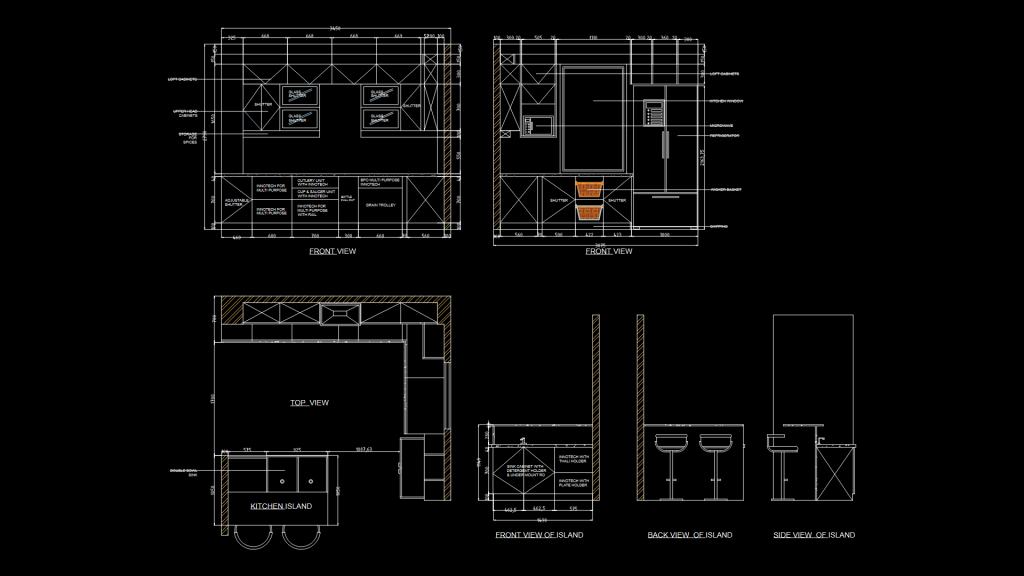
Measure your kitchen space. Know how much room you have. This helps in planning where things go. Small kitchens need smart storage ideas. Big kitchens can have more options.
Consider the people using the kitchen. Are they tall or short? Make sure everyone can reach things easily. This makes cooking fun and easy for everyone.
Credit: m.haecker-india.com
Choosing The Right Layout
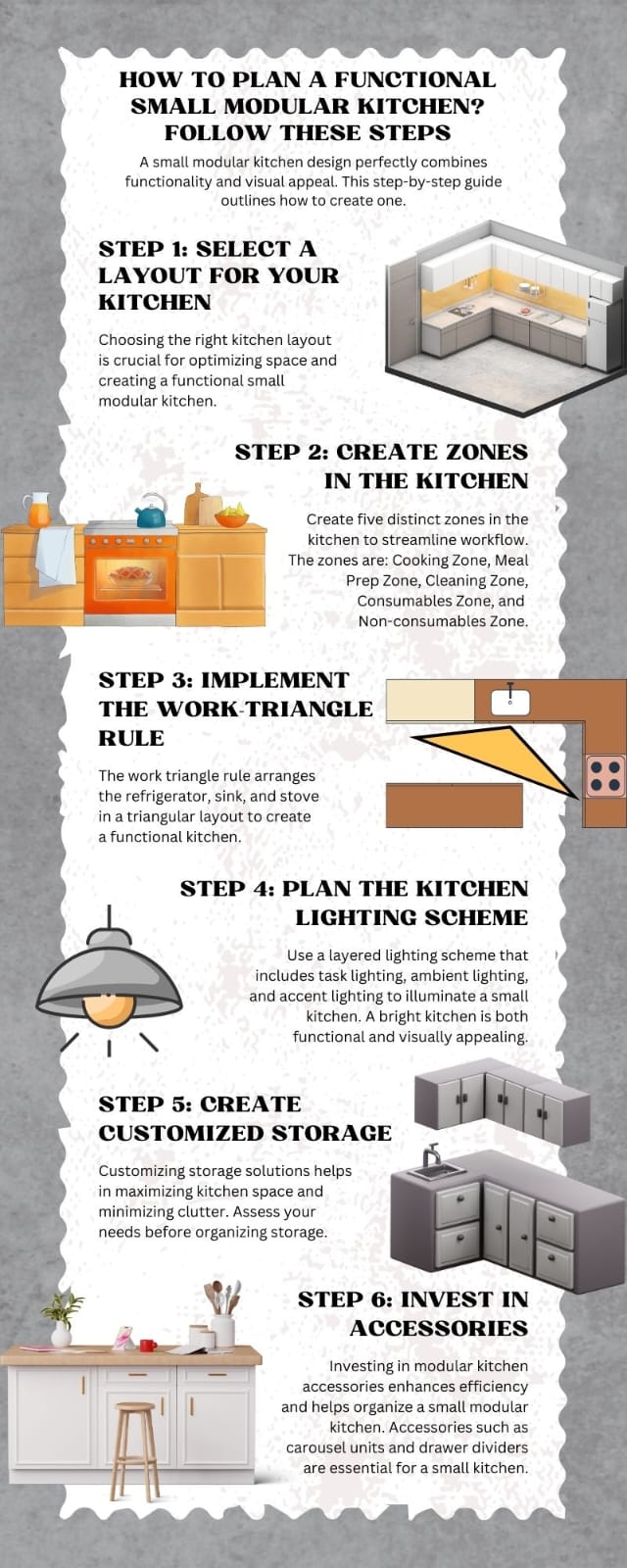
Modular kitchenscan have different shapes. Some are straight, some L-shaped. Others might be U-shaped or parallel. Each layout has unique benefits. A straight layout is good for small spaces. It keeps everything in one line. L-shaped kitchens fit well in corner spaces. They offer more storage options. U-shaped layouts provide lots of space. There are cabinets on three sides. Parallel kitchens have two walls facing each other. This layout is ideal for larger spaces.
Smart storage is key in modular kitchens. Use corner cabinetswith rotating shelves. They help use every inch of space. Install pull-out drawers for pots and pans. They make reaching items easy. Use vertical space by adding wall shelves. Store less-used items up high. Hooks can hang utensils or mugs. Keep frequently used items close to the stove. This saves time and energy.
Selecting Materials And Finishes
Choosing strong materials is very important. Durable materials last long and resist damage. Wood, stainless steel, and laminate are good choices. Each has a unique look. Wood gives a warm feel. Stainless steel looks modern and clean. Laminate can mimic other materials. It’s often more affordable.
Eco-friendly choices help the planet. Bamboo is sustainable and strong. Recycled materials save resources. They reduce waste. Using less plastic is better for nature. Choose paints with low VOCs. They are safer for the air. Green products are good for health too.
Credit: fixthisbuildthat.com
Incorporating Smart Storage Solutions
Pull-out cabinets are very useful. They keep things within reach. No more bending or stretching. Just pull them out. Everything is in sight. Organize pots, pans, and even spices. It saves space. It looks tidy too. These cabinets fit in small spaces. Perfect for any kitchen size.
Corners can be tricky. Use corner units wisely. They make the most of every inch. Lazy Susans spin around. So, nothing is out of reach. Store jars or cans on them. Easy to use. Keeps everything neat. No more forgotten items at the back.
Vertical storage is a smart choice. Use your walls. Hang pots and pans. Add hooks or rails. Shelves work too. It frees up counter space. Keeps things tidy. Easy to find what you need. Plus, it looks nice. A clean and organized kitchen feels good.
Planning For Appliances
Choosing between built-in and freestanding appliancesis crucial. Built-in options blend with cabinets. Freestanding appliances offer flexibility. Both have unique benefits. Built-in designs save space. Freestanding units are easy to move. Consider your kitchen layout first. Space and style matter a lot.
Built-in Vs. Freestanding
Built-in appliances create a seamless look. They can fit into any design. Freestanding ones stand alone. They often have more features. Built-ins are usually more expensive. Freestanding can be replaced easily. Both types have pros and cons.
Space For Future Additions
Think about future needs when planning. Leave room for new gadgets. Extra space is always handy. Families grow, needs change. Plan extra storage now. It’s a smart move. Ensure your kitchen adapts easily. Having options is key.
Lighting And Ambiance
Task lightingis very important in a kitchen. It helps you see better when you cook. Use bright lights for this. Put them under cabinets or over counters. This way, you can see your tasks clearly. It makes cooking safer and easier.
Decorative and ambient lightingmakes the kitchen look nice. Soft lights create a warm feeling. Use them on walls or ceiling. They help create a friendly space. A good mix of both light types is best. It makes the kitchen bright and welcoming.
Budget Considerations
Plan your budget wisely for a modular kitchen storage system. Consider material costs, labor expenses, and additional features. Balance quality with affordability for a functional and stylish kitchen.
Setting A Realistic Budget
Planning a modular kitchenrequires a clear budget. First, list all needed items. Cabinets, countertops, and appliances. Then, get price estimates for each. This helps you see the total cost. Try to keep some extra money aside. Unexpected costs can appear. A well-planned budget saves money and stress.
Cost-saving Tips
Reuse existing appliances if possible. Old stoves or fridges can still work well. Choose affordable materials for cabinets. MDF or plywood are good options. Buy items during sales. Discounts can reduce costs greatly. Consider doing some tasks yourself. Painting or minor installations are easy to handle.
Hiring Professionals
Crafting a modular kitchen storage system requires careful planning by hiring professionals. They ensure efficient use of space with customized solutions. Experts bring creativity and practical ideas, tailoring the design to fit your needs and lifestyle seamlessly.
When To Consult An Expert
Planning a modular kitchen storage systemcan be tricky. Experts know all the best tricks. They can help organize your space. Call them early in the process. They can offer great ideas and designs. Some people think they can do it alone. But experts save time and reduce mistakes. They know the latest trends and materials. They make sure everything fits and works well. Hiring them can make your kitchen look amazing.
Choosing The Right Contractor
It’s important to choose the right contractor. Check their past work and reviews. Talk to friends who have hired them before. Make sure they have a good reputation. Look for someone who listens to your needs. A good contractor will offer solutions. They should explain everything in simple terms. Be sure they have the right skills. Check if they have the right licenses. A good contractor makes the process easy and fun.
Maintenance And Upkeep
Organize modular kitchen storage efficiently with careful planning. Consider shelf placement, drawer sizes, and cabinet accessibility for optimal use. Choose durable materials for easy maintenance and upkeep, ensuring a long-lasting, functional kitchen space.
Cleaning Tips
Keep the kitchen clean to avoid germs. Wipe surfaces with a damp cloth. Use mild soap and water. Dry with a clean towel. Avoid harsh chemicals. They can damage surfaces. Organize items neatly on shelves. This makes cleaning easier.
Check under cabinets for crumbs. Clean them away. Wash dishes right after meals. This helps keep the kitchen tidy. Sweep and mop the floor regularly. This stops dirt from building up. Clean stovetops after cooking. This prevents stains.
Routine Checks And Repairs
Check cupboard hinges often. Tighten loose screws. Inspect shelves for wear. Replace if broken. Look for leaks under the sink. Fix them fast. Test lights in the kitchen. Change bulbs if needed.
Check the stove for gas leaks. This is important. Examine drawers for smooth opening. Fix if they stick. Inspect electrical outlets. Ensure they work well. Keep a small toolkit handy. This helps with quick repairs.

Credit: in.pinterest.com
Frequently Asked Questions
What Is The 3×4 Kitchen Rule?
The 3×4 kitchen rule suggests a kitchen layout where the space is divided into three work zones: cooking, storage, and cleaning. This design enhances efficiency by ensuring everything is accessible within four steps, minimizing unnecessary movement while cooking. It’s a practical guideline for optimizing small to medium-sized kitchen spaces.
How Much Money Is Needed For A Modular Kitchen?
A modular kitchen can cost anywhere from $5,000 to $50,000. Factors like size, materials, and design influence the price. Budget options are available for smaller spaces, while luxury designs can be more expensive. Consider custom features and appliances to determine final costs.
How Do You Decide Where To Put Things In Kitchen Cabinets?
Organize kitchen cabinets by placing frequently used items within easy reach. Group similar items together for efficiency. Store heavy items on lower shelves and lighter ones higher up. Keep everyday dishes near the dishwasher. Utilize cabinet organizers for better space management.
Adjust based on your cooking habits and preferences.
How To Calculate Kitchen Storage?
Measure cabinet dimensions to determine volume. Calculate total shelf and drawer space. Consider vertical space and use organizers. Optimize with stackable containers for efficient storage.
Conclusion
Planning a modular kitchen storage system can transform your cooking space. Keep it organized. Choose cabinets and drawers that fit your needs. Use dividers for cutlery and utensils. Consider pull-out shelves for easy access. Invest in quality materials for durability.
Don’t overlook lighting; it enhances visibility. Tailor your storage to your lifestyle. This way, you maximize efficiency and style. With thoughtful planning, your kitchen becomes a joy to use. Enjoy cooking in your well-organized space. Your kitchen will thank you.
Happy organizing!