
Picture this: you’re nestled by a crackling campfire, the stars twinkling overhead, and the sizzle of skewers loaded with your favorite foods filling the air. Sounds perfect, right?
But there’s one catch. You need to pack those skewers just right to ensure your camping feast is nothing short of amazing. Whether you’re a seasoned camper or planning your first outdoor adventure, knowing how to pack skewers effectively can transform your meals from bland to brilliant.
This guide will show you the secrets to packing skewers so that every bite is delicious and stress-free. Dive in, and discover how a little preparation can turn your camping trip into a culinary delight you won’t soon forget.

Credit: www.foodnetwork.com
Choosing The Right Skewers
Choosing the right skewer is important for a good camping meal. Skewers come in different types and materials. Metal skewers are strong and reusable. Bamboo skewers are light and disposable. Wood skewers can break if wet but are cheap and easy to find.
Length and size matter too. Short skewers work for small grills and easy packing. Long skewers hold more food and fit larger grills. Thick skewers hold heavy pieces better but take more space.
| Type | Material | Pros | Cons |
|---|---|---|---|
| Metal Skewers | Stainless Steel | Strong, reusable, easy to clean | Heavier, can be hot to touch |
| Bamboo Skewers | Bamboo | Light, disposable, cheap | Can burn easily, less durable |
| Wood Skewers | Wood | Cheap, easy to find | Can break, needs soaking |
Preparing Skewers At Home
Cut ingredients into small, equal pieces. This helps them cook evenly on the campfire. Use firm vegetables like bell peppers, onions, and cherry tomatoes. For meats, choose boneless cuts and slice them into bite-size chunks.
Marinate meat and vegetables before packing. Use simple mixtures like olive oil, lemon juice, garlic, salt, and pepper. Let them soak for at least 30 minutes. This adds flavor and keeps food moist.
- Place ingredients in order on each skewer to balance flavors.
- Alternate between meat and vegetables for even cooking.
- Leave small gaps between pieces to let heat circulate.
- Wrap skewers in foil or place them in airtight containers.
- Keep them refrigerated until the trip to stay fresh.
Packing Skewers For Travel
Airtight containerskeep skewers fresh by sealing out air and moisture. This stops food from drying out or getting soggy. Use containers that fit the skewers well to prevent movement and damage.
To avoid cross-contamination, pack raw and cooked skewers separately. Use different containers or wrap them tightly in plastic wrap. Clean containers before reuse to keep food safe.
- Choose a container that seals tightly.
- Keep skewers flat to avoid bending.
- Separate raw and cooked food.
- Clean containers before packing again.
- Use plastic wrap or foil for extra protection.
Storage Options During Camping
Coolers and ice packskeep skewers fresh and safe. Use a cooler with enough space for skewers and ice packs. Wrap skewers in foil or place in airtight containers before storing. Ice packs help maintain a cold temperature without melting fast. Check ice packs regularly and replace if needed.
Dry storage solutionsare good for cooked skewers. Use resealable plastic bags or airtight containers. Keep skewers separate from raw foods to avoid cross-contamination. Store in a cool, shaded place away from direct sunlight.
Safe handling practicesreduce the risk of foodborne illness. Always wash hands before touching skewers. Use clean utensils and plates for cooked and raw skewers separately. Keep skewers at safe temperatures: below 40°F (4°C) for raw and below 140°F (60°C) for cooked. Avoid leaving skewers out for more than two hours.
Cooking Skewers At The Campsite
Skewers cook best over medium heat. Keep flames low to avoid burning. Turn skewers often for even cooking.
Use a portable grillto keep fire controlled. It helps cook food faster and safer. Place skewers on the grill rack, not too close to flames.
| Food Type | Cooking Time | Safety Tips |
|---|---|---|
| Chicken | 10-15 minutes | Cook until no pink inside |
| Beef | 8-12 minutes | Check for desired doneness |
| Vegetables | 5-8 minutes | Turn often to avoid burning |
Keep a water bottle nearby for safety. It can put out flare-ups quickly.

Credit: www.foodnetwork.com
Cleanup And Waste Management
Dispose of skewers properlyto keep campsites clean. Wooden skewers can be thrown in fire pits if fully burned. Metal skewers should be taken back and recycled or packed out. Avoid leaving skewers on the ground to protect wildlife and nature.
Carry basic cleaning tools for easy cleanup. A small brush, biodegradable soap, and a container for dirty water help keep gear ready. Wet wipes are handy for quick cleaning without water.
Minimize environmental impact by packing reusable skewers. Choose metal or bamboo skewers over single-use plastic ones. Always pack out trash and leftover food to avoid harming animals and plants.
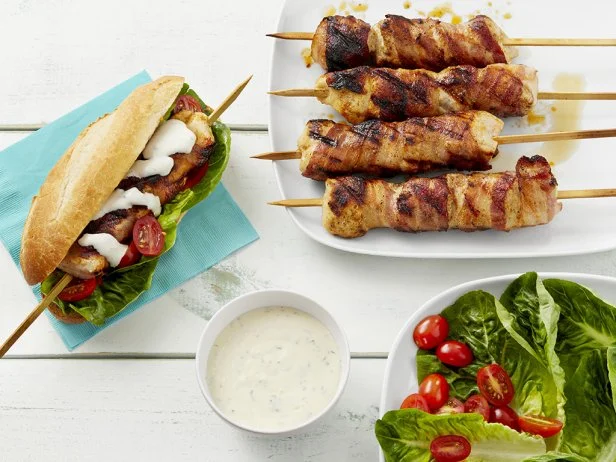
Credit: www.foodnetwork.com
Frequently Asked Questions
How Do I Safely Pack Skewers For Camping?
Use a sturdy container or a skewer case to prevent injury. Wrap skewers in a cloth or bubble wrap for extra protection. Keep them separate from other gear to avoid damage and ensure easy access.
What Materials Are Best For Camping Skewers?
Stainless steel skewers are durable and rust-resistant. Bamboo skewers are lightweight but fragile. Choose reusable skewers for sustainability and cost-effectiveness during camping trips.
How Can I Keep Skewers Clean While Camping?
Store skewers in a sealed container or bag to prevent dirt exposure. Clean skewers immediately after use with water and mild soap. Dry them thoroughly before packing to avoid rust or mold.
Can I Pack Skewers With Food Already On Them?
It’s best to pack skewers without food to avoid contamination. If pre-skewered, wrap tightly in plastic wrap and refrigerate if possible. Keep them cool to maintain food safety during transport.
Conclusion
Packing skewers for camping takes simple steps and careful thought. Wrap them well to avoid accidents. Use a sturdy container to keep them safe and clean. Keep skewers separate from other gear to prevent damage. Label the container for easy finding.
These tips save time and stress during your trip. Enjoy cooking outdoors without worry or hassle. Safe packing leads to better camping fun. Remember, a small effort makes a big difference. Happy camping and tasty meals await!