
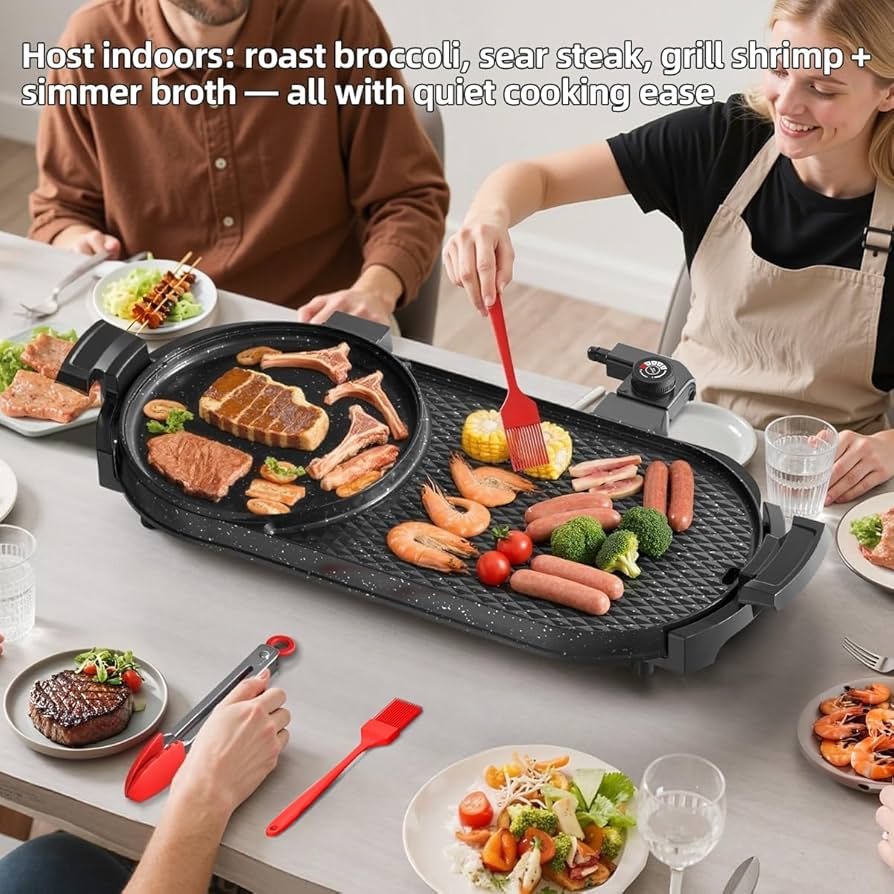
If you want your electric grill plate to last longer and cook your food perfectly every time, knowing how to oil it properly is key. Without the right care, your grill can stick, rust, or lose its non-stick magic.
But don’t worry—this isn’t complicated. In fact, with a few simple steps, you can keep your grill in top shape and enjoy delicious meals without hassle. Keep reading, and you’ll learn exactly how to oil your electric grill plate the right way, saving you time and frustration in the kitchen.
Choosing The Right Oil
Oiling an electric grill plate helps prevent food from sticking. It also keeps the grill clean and extends its life.
Choosing the right oil is important. The right oil can handle high heat and add good flavor.
Best Oils For Grilling
Some oils are better for grilling because they can handle high temperatures. They also do not change the taste of the food.
- Canola oil – light and neutral taste
- Vegetable oil – common and affordable
- Avocado oil – high heat and mild flavor
- Peanut oil – good for high heat, nutty flavor
- Grapeseed oil – clean taste, high smoke point
Smoke Points To Consider
Smoke point is the temperature when oil starts to burn. Oil that burns can make food taste bad.
Use oils with high smoke points for electric grill plates. This stops smoke and keeps the grill clean.
| Oil | Smoke Point (°F) |
|---|---|
| Canola oil | 400 |
| Vegetable oil | 400 |
| Avocado oil | 520 |
| Peanut oil | 450 |
| Grapeseed oil | 420 |
Credit: www.vevor.ca
Preparing The Grill Plate
Oiling an electric grill plate keeps it working well and stops food from sticking. Proper preparation helps the oil spread evenly.
Before adding oil, clean and dry the grill plate carefully. This makes sure the oil can do its job.
Cleaning Before Oiling
Remove any food bits or grease from the grill plate. Use a soft cloth or sponge with warm water and mild soap.
Do not use harsh chemicals or abrasive tools. These can damage the grill surface and affect cooking.
- Unplug the grill and let it cool.
- Wipe off loose debris with a dry cloth.
- Clean the surface with warm, soapy water.
- Use a soft sponge to avoid scratches.
- Rinse with a damp cloth to remove soap.
Drying The Surface
After cleaning, the grill plate must be dry before oiling. Moisture can stop the oil from spreading well.
Use a clean, dry towel to wipe the surface. Let it air dry for a few minutes if needed.
- Pat the grill plate with a dry cloth.
- Check for any wet spots and dry again.
- Allow the plate to air dry completely.
Oiling Techniques
Oiling an electric grill plate helps keep food from sticking. It also protects the surface and makes cleaning easier.
Use the right oiling technique to spread oil evenly. This keeps your grill plate in good condition and improves cooking results.
Using A Brush
A brush helps apply oil in thin, even layers. Use a silicone brush for easy cleaning and heat resistance.
Dip the brush in oil and lightly spread it on the grill plate. Cover the whole surface but avoid thick layers.
- Use light strokes to avoid oil buildup
- Choose oil with a high smoke point
- Clean the brush after each use
Using A Cloth Or Paper Towel
A cloth or paper towel works well to spread oil smoothly. It helps control the amount of oil on the grill plate.
Pour a small amount of oil on the cloth or towel. Rub it gently across the grill surface in circular motions.
- Use a clean, lint-free cloth
- Replace paper towels often to avoid dirt
- Apply oil evenly to prevent sticky spots
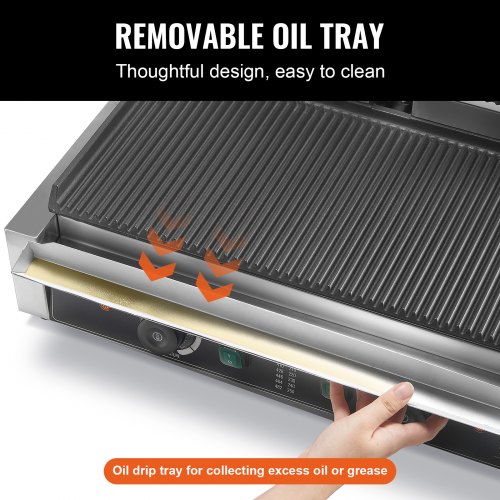
Avoiding Excess Oil
Too much oil can cause smoke and flare-ups. It also makes food greasy and harder to cook properly.
Use just enough oil to coat the surface lightly. Wipe off extra oil with a cloth or paper towel before turning on the grill.
- Start with a small amount of oil
- Spread oil thinly and evenly
- Remove pools of oil before heating
- Check the grill plate after cooking for residue
Credit: www.vevor.com
Heating The Grill Plate
Heating the electric grill plate is important before cooking. It helps food cook evenly and stops it from sticking.
Oiling the grill plate at the right time makes cooking easier and cleaning simple. Let’s look at how heat affects oil on the grill.
Preheating Tips
Turn on your electric grill and set it to medium heat. Wait for 5 to 10 minutes to let the plate get hot.
Check if the grill is ready by carefully feeling the heat or using a cooking thermometer. A hot plate helps oil spread better.
- Always start with a clean grill plate
- Preheat on medium for even heat
- Use a thermometer for best results
- Wait until the plate is fully hot before oiling
Oil Behavior On Hot Surface
When you add oil to a hot grill plate, it spreads quickly. The heat helps create a thin, even layer.
If the plate is too hot, oil can smoke or burn. Use just a small amount to avoid this problem.
- Oil thins out on a hot plate
- Too much oil causes smoking
- A light coat stops food from sticking
- Use oils with high smoke points for better results
Maintaining The Grill Plate
Proper care keeps your electric grill plate working well. Oiling the grill plate helps food cook evenly and stops sticking.
This guide shows how to reapply oil while cooking and clean the grill after use. These tips will keep your grill plate in good shape.
Reapplying Oil During Cooking
Adding oil again during cooking keeps the grill surface slick. It helps food cook without burning or sticking.
- Use a brush or paper towel to spread a thin layer of oil.
- Apply oil carefully to avoid flare-ups or smoke.
- Reapply oil after cooking fatty foods to keep the plate smooth.
- Use oils with high smoke points, like vegetable or canola oil.
Cleaning After Use
Cleaning the grill plate after cooking removes leftover food and oil. It prevents buildup that can damage the surface.
| Cleaning Step | Details |
|---|---|
| Unplug and cool | Turn off the grill and wait until it is safe to touch. |
| Remove food debris | Use a soft cloth or scraper to clear food bits gently. |
| Wipe with oil | Apply a small amount of oil to a cloth and wipe the surface to protect it. |
| Store properly | Keep the grill plate in a dry place to avoid rust and damage. |
Troubleshooting Common Issues
Oiling an electric grill plate helps cooking and keeps it clean. Sometimes issues like smoke or food sticking happen.
This guide shows how to fix common problems when oiling your grill plate. Follow simple tips to improve your cooking.
Oil Smoke And Burning
Smoke from oil can happen if you use the wrong type or too much oil. Burning oil makes bad smells and can damage the grill.
Use oils with a high smoke point like canola or vegetable oil. Avoid olive oil as it burns quickly. Apply a thin, even layer of oil on the grill plate.
- Clean the grill plate before oiling to remove old food and oil.
- Do not overheat the grill before adding oil.
- Use a brush or paper towel to spread oil evenly.
- Turn off the grill if smoke appears and wipe excess oil.
Food Sticking Problems
Food sticks when the grill plate is not oiled properly or is dirty. This makes cooking and cleaning harder.
Oil the grill plate before heating it. A clean surface and the right amount of oil help food cook evenly and prevent sticking.
- Clean the grill plate after each use.
- Heat the grill plate before adding oil.
- Apply a thin layer of oil using a cloth or brush.
- Let the oil heat for a minute before placing food.

Credit: www.amazon.com
Frequently Asked Questions
How Often Should You Oil An Electric Grill Plate?
Oil your electric grill plate before each use to ensure even cooking. Regular oiling prevents food from sticking and makes cleaning easier. It’s a crucial step for maintaining your grill’s efficiency and prolonging its lifespan.
What Type Of Oil Is Best For Grilling?
Use oils with a high smoke point, like canola or grapeseed oil. These oils prevent smoking and burning, offering a smooth grilling experience. Avoid oils with low smoke points, as they can impart unwanted flavors to your food.
Can I Use Olive Oil On An Electric Grill?
Yes, but use it cautiously as it has a lower smoke point. Olive oil is great for adding flavor but might smoke at high temperatures. If you prefer olive oil, use it for marinating rather than coating the grill.
How Do You Apply Oil To A Grill Plate?
Use a paper towel or brush to apply a thin oil layer. Ensure the grill is cool before oiling to avoid burns. This simple step ensures food doesn’t stick and promotes even cooking.
Conclusion
Oiling your electric grill plate keeps it working well and food from sticking. Use a little oil and spread it evenly before cooking. Clean the grill after use to stop buildup. This simple step helps your grill last longer and cook better.
Enjoy tasty meals with less mess. Easy care makes grilling fun and stress-free. Remember, a well-oiled grill means better cooking every time.