
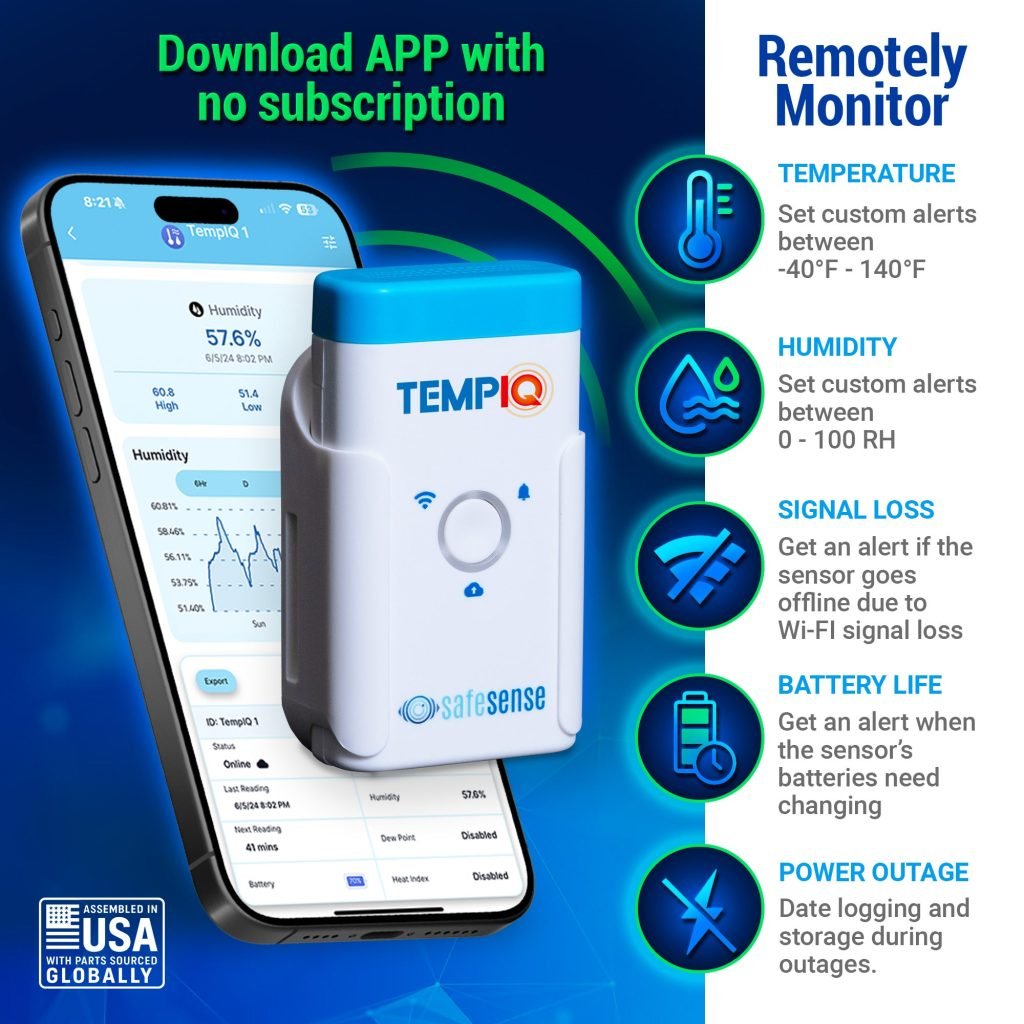
Have you ever wished you could check the temperature of your home, office, or important equipment without being there? Imagine avoiding costly damage or discomfort simply by keeping an eye on the temperature from anywhere.
Monitoring temperature remotely is easier and more important than you might think. You’ll discover simple ways to track temperature in real-time, protect your valuables, and gain peace of mind. Ready to take control of your environment no matter where you are?
Let’s dive in.
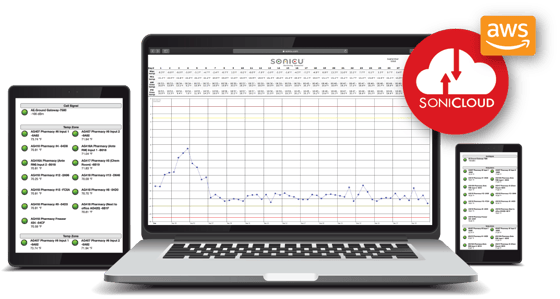
Credit: www.sonicu.com
Benefits Of Remote Temperature Monitoring
Remote temperature monitoringhelps keep track of conditions from far away. It saves time and effortbecause you do not need to check manually. This system can send alertsif temperatures go too high or too low. It helps protect food, medicines, and sensitive equipmentfrom damage. Businesses can reduce lossesand improve safety. It also supports better energy managementby optimizing heating and cooling systems.
- Constant access to temperature data
- Quick alerts for unusual changes
- Improved safety and product quality
- Less manual work and travel
- Energy savings and cost control

Credit: www.amazon.com
Essential Tools And Equipment
Temperature sensorsare the main tools to check heat levels remotely. They come in different types, like digital, analog, and wireless. Wireless sensors send data without wires, making them easy to place. Sensors must be accurate and fast to give good results.
Communication deviceshelp send sensor data to your screen. These include Wi-Fi modules, Bluetooth, and cellular networks. Wi-Fi works well inside buildings. Cellular networks help in far places without Wi-Fi. The device choice depends on your location and range needed.
Monitoring softwareshows temperature data on your computer or phone. It can alert you if the heat goes too high or low. Some software lets you see charts and history. Easy software helps users check and understand data quickly.
Setting Up Your Remote System
Install temperature sensorsin the right spots to get accurate readings. Place them where temperature changes matter most. Use sensors that match your environment, like waterproof for outdoors.
Connect sensors to your networkusing Wi-Fi, Ethernet, or cellular. Make sure the connection is stable for constant data flow. Check signal strength and network speed before final setup.
Configure the softwareto receive and display sensor data. Set alerts for temperature changes that need attention. Choose user-friendly software to make monitoring easier for everyone.
Real-time Data Access
Mobile apps and dashboards give instant accessto temperature data from anywhere. They show real-time readingson your phone or computer. This helps track changes quickly and easily.
Alerts and notifications warn immediatelyif temperatures go too high or low. These messages can come as texts, emails, or app alerts. They help prevent damage by giving fast updates.
Common Challenges And Solutions
Signal interferencecan disrupt remote temperature monitoring. Walls, metal objects, and other devices may block signals. Using repeaters or stronger antennas helps improve signal strength. Choose frequency bands less crowded by other devices.
Power managementis crucial for devices running far from power sources. Using batteries with long life or solar panels can keep devices running longer. Setting devices to sleep mode during inactive times saves energy.
| Data Accuracy | Solutions |
|---|---|
| Sensor calibration | Regularly calibrate sensors to maintain accuracy. |
| Environmental factors | Place sensors away from heat sources or drafts. |
| Data validation | Use software to check and correct data errors. |
Applications Across Industries
Remote temperature monitoring helps industries track conditions in real-time, ensuring safety and quality. It supports sectors like healthcare, food storage, and manufacturing by providing instant alerts and data access from anywhere. This technology reduces risks and improves efficiency across various fields.
Healthcare
Remote temperature monitoring helps keep patients safe. Hospitals track room and equipment temperatures. This ensures medicines and vaccines stay effective. It also helps prevent infections by monitoring hygiene areas. Quick alerts notify staff of any temperature changes. This saves lives and reduces risks.
Agriculture
Farmers use temperature sensors to protect crops and animals. Monitoring soil and air temperature helps plants grow better. It also stops frost damage early. For animals, temperature control keeps them healthy. This supports food production and reduces losses.
Manufacturing
Factories track temperature to keep machines running well. Overheating can cause breakdowns and delays. Monitoring ensures products are made at the right temperature. This keeps quality high and waste low. Alerts help workers fix issues fast.
Future Trends In Temperature Monitoring
Remote temperature monitoring uses wireless sensors to track conditions from anywhere. Advances include smarter devices and real-time alerts for quick action. This technology helps keep environments safe and efficient with easy, constant checks.
Iot Integration
IoT devicesallow temperature sensors to send data over the internet. This makes real-time monitoringeasy and fast. Devices can work together to give a full view of temperature changes. This helps in early detectionof problems. It is useful in places like farms, factories, and homes.
Ai And Predictive Analytics
AI toolsanalyze temperature data to find patterns. They can predict future changesbefore they happen. This helps in preventing damageand saving money. Predictive analytics can also suggest the best actions to take. It makes temperature monitoring smarter and more efficient.

Credit: www.hackster.io
Frequently Asked Questions
How Can I Monitor Temperature Remotely?
You can monitor temperature remotely using IoT-enabled sensors. These devices connect via Wi-Fi or cellular networks. They provide real-time data on temperature changes. You can access this data through a smartphone app or web platform. This allows you to track temperature conditions from anywhere.
What Devices Are Used For Remote Temperature Monitoring?
Remote temperature monitoring uses IoT sensors, smart thermostats, and wireless data loggers. These devices connect to the internet for real-time data. They are designed for easy installation and integration. You can access temperature readings via apps or online dashboards. This ensures efficient monitoring and management.
Why Is Remote Temperature Monitoring Important?
Remote temperature monitoring ensures safety and efficiency in various settings. It prevents damage to sensitive equipment and products. It’s crucial in industries like healthcare, food storage, and IT. By using real-time alerts, it minimizes risks and reduces energy costs. This helps in maintaining optimal conditions consistently.
Are Remote Temperature Sensors Reliable?
Yes, remote temperature sensors are highly reliable. They provide accurate, real-time data consistently. Most sensors are designed for durability and precision. They are used in critical environments, such as hospitals and labs. Regular maintenance and calibration ensure their long-term reliability.
This makes them a trusted choice for monitoring.
Conclusion
Remote temperature monitoring keeps you informed anytime, anywhere. It helps protect equipment, food, and health by spotting issues fast. Choose the right tools to fit your needs and budget. Regular checks make sure your system works well. Stay connected and act quickly to avoid problems.
Simple steps can save time and money in the long run. Start monitoring today for better control and peace of mind.