
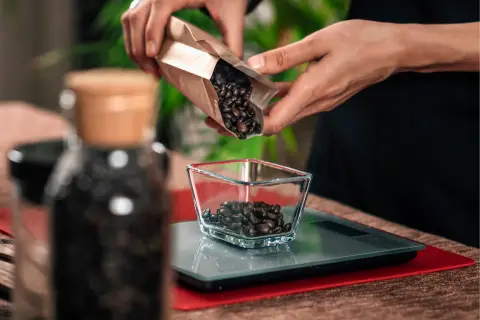
If you want the perfect cup of coffee every time, learning how to measure your coffee beans before grinding is key. Measuring your beans right can change the flavor, strength, and aroma of your brew.
But how much is just enough? Too little, and your coffee might taste weak. Too much, and it could turn bitter. You’ll discover simple, foolproof ways to measure your coffee beans so you get consistent, delicious results every single time.
Ready to take your coffee game to the next level? Let’s dive in!

Credit: www.amazon.ca
Choosing The Right Scale
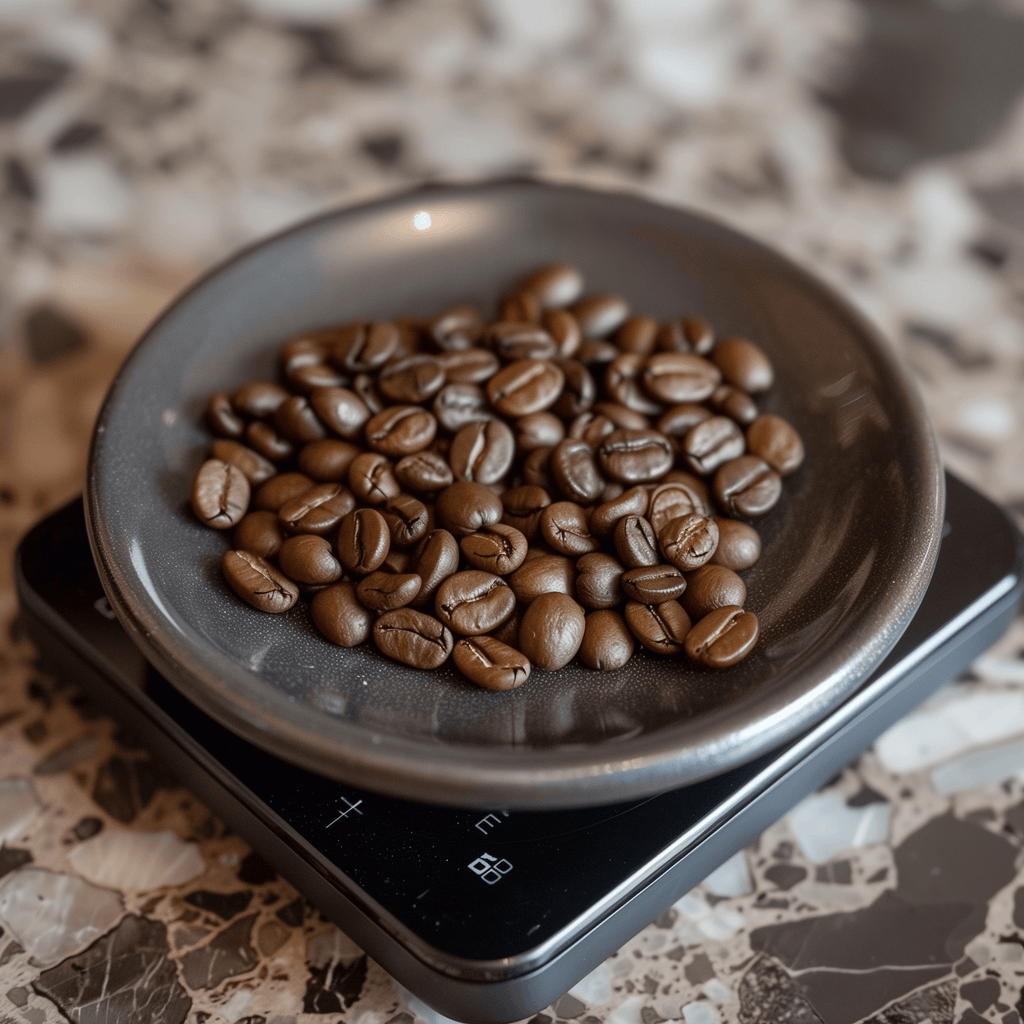
Choosing the right scale is key for accurate coffee bean measurement. Digital scales offer better precisionand easier reading. They show grams clearly and often have a tare function to subtract container weight.
Analog scales are less precise and harder to read. They may be cheaper but can lead to inconsistent measurements. Precision matters because small changes affect coffee taste.
| Feature | Why It Matters |
|---|---|
| Accuracy | Ensures correct bean amount for taste |
| Precision | Measures small differences easily |
| Tare Function | Subtracts container weight for true bean weight |
| Easy to Read Display | Reduces mistakes in reading weight |
| Compact Size | Fits easily in kitchen space |
Credit: angelinos.com
Measuring Coffee By Weight
Weightis the most precise way to measure coffee beans for grinding. It ensures consistent flavorand strength in every cup. Using a scale helps avoid guessworkand uneven brewing results.
The standard coffee-to-water ratiois about 1:15 to 1:18. This means one gram of coffee for every 15 to 18 grams of water. Adjusting this ratio changes the coffee’s strength.
| Brew Method | Ratio (Coffee:Water) | Notes |
|---|---|---|
| Drip Coffee | 1:15 to 1:17 | Balanced and smooth |
| French Press | 1:12 to 1:15 | Stronger and richer |
| Espresso | 1:2 to 1:3 | Very strong and concentrated |
| AeroPress | 1:13 to 1:17 | Flexible, depending on taste |
Adjust the coffee weight to match your brew method. Use less coffee for lighter brews, more for stronger ones. This helps get the best tasteevery time.
Measuring Coffee By Volume
To measure coffee beans for grinding, use a simple cup or scoop. A standard ratio is two tablespoons of coffee beans per six ounces of water. Adjust based on personal taste preference.
When To Use Volume Measurements
Volume measurements are quick and easy for everyday use. They work well if you want to make coffee fast. This method is good for drip coffee or French press. It helps when you don’t have a scale. But remember, volume can vary with bean size and roast.
Spoons And Scoops Explained
Spoons and scoops are common tools to measure coffee. A standard tablespoon holds about 5 grams of coffee. Coffee scoops usually hold about 10 grams. Use a level scoop for the best result. Scoops help keep your coffee consistent without a scale.
Limitations Of Volume Measurement
- Different beans have different sizes and shapes.
- Roast level changes bean density.
- Grinding size affects how coffee packs in the scoop.
- Volume is less precise than weight.
For best taste, consider switching to a scale over time.

Credit: pesado585.com
Grinding Coffee Beans
Grind sizeaffects how coffee brews. Coarse grinds work best for French pressor cold brew. Medium grinds suit drip coffee makers. Fine grinds are good for espresso. Choosing the right size helps extract flavorproperly.
Consistencyin grind size is very important. Uneven grinds cause over-extractionor under-extraction. This makes coffee taste bitter or weak. A burr grinder gives better consistency than a blade grinder.
Timing the grinding process controls freshness. Grinding just before brewing keeps the aromastrong. Grinding too early lets coffee lose flavor. Grind only the amount you will use right away.
Tips For Consistent Measurement
Taring your scalemeans setting it to zero before weighing. Place your empty container on the scale first, then press the tare button. This ensures you measure only the coffee beans, not the container’s weight. It helps to get an accurate amount every time.
Measuring fresh beansis key for good coffee. Use a digital scale for precise weight. Avoid guessing by volume because bean sizes vary. Measure the beans right before grinding to keep them fresh and flavorful.
Storing and handling beansaffects their quality. Keep beans in an airtight container away from light, heat, and moisture. Handle beans gently to avoid breaking them. Freshness matters more than quantity for the best taste.
Common Mistakes To Avoid
Using too many beans makes coffee too strong. Using too few beans makes it too weak. Always use the right amount for a perfect cup. Use a small cup to scoop beans. This helps you measure better.
Different beans have different weights. Light beans need more scoops. Heavy beans need fewer scoops. Always check bean weight before grinding. Use the right amount to avoid bad taste.
Scales can show wrong weights. This happens when they are not set right. Always check scales before using. Calibrate them often for accurate measurements. This helps in making tasty coffee.
Frequently Asked Questions
How Much Coffee Beans Should I Measure Per Cup?
Measure about 10-12 grams of coffee beans per 6-ounce cup. This ensures a balanced flavor and proper extraction during brewing.
What Tools Help Measure Coffee Beans Accurately?
Use a digital kitchen scale for precise measurement. Avoid using volume-based tools as coffee beans vary in size and density.
Should I Weigh Beans Before Or After Grinding?
Weigh your coffee beans before grinding. This preserves freshness and ensures you use the exact amount needed for brewing.
How Does Measuring Affect Coffee Taste?
Accurate measurement controls brew strength and flavor balance. Too much coffee results in bitterness; too little causes weak taste.
Conclusion
Measuring coffee beans properly helps you enjoy better coffee every time. Use a kitchen scale or a scoop for accuracy. Small changes in bean amount affect taste and strength. Grinding fresh beans right after measuring brings out the best flavor.
Practice a bit to find your perfect coffee balance. Simple steps lead to a great cup, morning or night. Keep measuring, grinding, and savoring your favorite brew.