
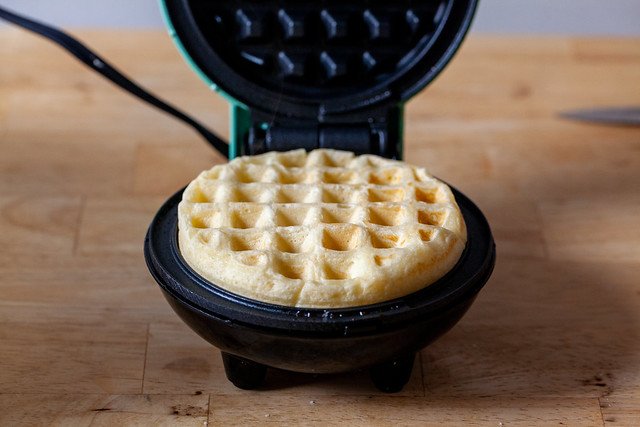
Are you tired of your waffles sticking to the iron every single time? It’s frustrating to see your perfectly cooked waffle break apart or leave behind a sticky mess.
But don’t worry—making waffles that come out crispy and whole is easier than you think. You’ll discover simple, effective tips that will help you say goodbye to stuck waffles forever. Ready to enjoy breakfast like never before? Keep reading and unlock the secrets to perfect, non-sticking waffles every time.
Choosing The Right Waffle Maker
Choosing a good waffle maker helps you make waffles that do not stick. The right tool makes cooking easier and cleanup faster.
Look for features like non-stick coatings, size options, and temperature controls. These affect your waffle-making experience.
Non-stick Coating Benefits
Non-stick coatings stop batter from sticking to the plates. They let you remove waffles easily and keep the plates clean.
- Use less oil or butter for greasing
- Make waffle removal smooth and quick
- Help the waffle maker last longer
- Reduce chances of burning or tearing waffles
Waffle Maker Size And Shape
Waffle makers come in many sizes and shapes. Choose one that fits your kitchen space and waffle needs.
| Size | Waffle Shape | Best For |
|---|---|---|
| Small | Round | Single servings and small kitchens |
| Medium | Square | Families and regular use |
| Large | Belgian (Deep pockets) | Thick waffles and special occasions |
Adjustable Temperature Settings
Temperature controls let you cook waffles just right. You can make them crispy or soft based on your choice.
- Set a lower temperature for soft waffles
- Use a higher temperature for crisp waffles
- Adjust heat to avoid burning
- Experiment to find your perfect waffle texture
Preparing The Waffle Batter
Making waffle batter correctly helps prevent waffles from sticking. The batter must be just right to get crispy, golden waffles. This guide focuses on the key steps to prepare waffle batter that works well.
Pay close attention to batter texture, ingredients, and mixing methods. These details affect how well the waffles cook and release from the waffle iron.
Ideal Batter Consistency
The batter should be thick but pourable. Too thin batter makes waffles soggy and sticky. Too thick batter may not cook evenly and sticks more.
- The batter flows slowly off a spoon but holds shape.
- It should not drip like water or stay clumpy on the spoon.
- If batter is too thick, add a tablespoon of milk.
- If too thin, add a little flour to thicken.
Using The Right Ingredients
Choose ingredients that create a smooth and light batter. The right ingredients help waffles cook evenly and release easily.
| Ingredient | Role | Tip |
| Flour | Gives structure | Use all-purpose flour for best results |
| Baking Powder | Leavens the batter | Fresh baking powder helps waffles rise |
| Eggs | Bind and add moisture | Use room temperature eggs |
| Milk | Thins batter | Use whole or 2% milk for richness |
| Butter or Oil | Adds fat and crispness | Melted butter gives best flavor |
Avoiding Overmixing
Mix the batter gently until ingredients combine. Overmixing develops gluten, making waffles tough and sticky.
Follow these mixing tips:
- Whisk dry ingredients together first.
- Pour wet ingredients into the dry mix.
- Stir just until no large lumps remain.
- Stop mixing once the batter looks smooth but slightly lumpy.
Preheating The Waffle Maker
Preheating your waffle maker is key to making waffles that do not stick. It helps the cooking surface reach the right temperature.
Without proper preheating, waffles may stick and tear when you try to remove them. Let’s see what you need to do.
Ensuring Even Heat Distribution
Even heat across the waffle plates stops uneven cooking and sticking. Waffle makers with thicker plates usually heat more evenly.
- Close the waffle maker and let it heat fully before adding batter.
- Check the instructions for your model to find if it needs extra time for even heat.
- Clean plates help heat spread better, so keep them free of old batter.
How Long To Preheat
Preheating time varies by model. Most waffle makers take between 5 and 10 minutes to reach the right temperature.
| Waffle Maker Type | Preheat Time |
| Basic Model | 5-7 minutes |
| Thick Plate Model | 7-10 minutes |
| Non-Stick Coated | 5 minutes |
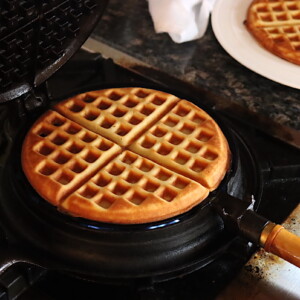
Credit: practicalselfreliance.com
Greasing Techniques
Waffles can stick to the waffle iron if you do not grease it well. Greasing helps make waffles easy to remove. Use the right oil or butter and apply it properly.
Good greasing keeps waffles crispy and perfect every time. Learn how to choose the best grease and when to reapply it.
Choosing The Best Oil Or Butter
Use oils or butter that handle heat well. Some oils burn easily and make waffles taste bad. Butter adds flavor but can burn fast.
- Vegetable oil works well and does not burn quickly
- Canola oil is a good choice for high heat
- Light olive oil adds mild flavor and resists burning
- Butter gives great taste but use it carefully to avoid burning
- Non-stick cooking sprays are easy but may build up over time
Proper Application Methods
Apply grease evenly to cover the waffle iron surface. Too little grease causes sticking. Too much can make waffles oily.
- Use a brush to spread oil or melted butter thinly and evenly
- Use a spray for quick, light coverage without overdoing it
- Wipe excess grease with a paper towel to avoid pooling
- Grease both the top and bottom plates of the waffle iron
When To Reapply Grease
Reapply grease before each waffle to stop sticking. The heat can burn off oil or butter after cooking one waffle.
- Clean the waffle iron after a few waffles to remove burnt grease
- Grease the plates again after cleaning or if the surface looks dry
- Do not wait until waffles start to stick before adding more grease
Pouring And Cooking Tips
Making waffles that do not stick to the iron needs careful pouring and cooking. Small details can change the whole cooking experience.
Use the right amount of batter, handle the lid carefully, and cook for the right time. These tips help you get perfect waffles every time.
Correct Batter Amount
Using too much batter causes sticking and uneven cooking. Too little batter makes thin waffles that break easily. Pour just enough to cover the waffle iron’s surface without overflow.
- Check your waffle maker’s size to know how much to pour.
- Start with a small amount, then add more if needed.
- Spread the batter evenly but do not force it.
- Use a ladle or measuring cup for consistent amounts.
Closing The Lid Gently
Close the waffle iron lid slowly to avoid batter spilling out. Pressing too hard can make batter squeeze to the edges and stick. A gentle close keeps the batter inside and cooks evenly.
| Action | Reason |
| Close lid slowly | Prevents batter overflow |
| Do not press hard | Keeps waffle shape intact |
| Lock lid if available | Ensures even cooking pressure |
Timing For Crispiness
Cook waffles long enough for a crispy outside but soft inside. Cooking time depends on your waffle maker and batter type. Watch for steam to slow down, which signals the waffle is done.
- Preheat the waffle maker before pouring batter.
- Cook for 3 to 5 minutes, depending on your device.
- Check waffle color; it should be golden brown.
- Remove waffles carefully to avoid tearing.

Credit: mrsplantintexas.com
Removing Waffles Without Sticking
Waffles can stick to the pan and break apart when you try to remove them. This can ruin your breakfast and make cleaning harder.
Using the right methods helps you take out waffles easily and keeps them whole. Here are some tips to avoid sticking.
Using The Right Utensils
Choose tools that protect your waffle maker and the waffles. Metal tools can scratch the surface and cause more sticking over time.
- Use silicone spatulas or plastic tools to lift waffles.
- Thin-edged utensils slide under waffles more easily.
- Avoid sharp knives or forks that tear waffles.
- Keep utensils clean to prevent buildup on the pan.
Waiting For Waffles To Cool Slightly
Removing waffles too soon causes sticking and tearing. Letting them cool helps them firm up and release from the pan.
| Cooling Time | Effect |
| 0-1 minute | High chance of sticking |
| 2-3 minutes | Waffles firm and release easier |
| 4+ minutes | Waffles cool but may lose warmth |
Avoiding Forced Removal
Do not force waffles off the pan. Forcing can break them and damage the cooking surface.
Follow these tips to remove waffles gently:
- Check if edges lift easily with a spatula.
- If stuck, let waffles cool for another minute.
- Use slow, gentle movements to lift waffles.
- Do not use metal tools to pry them off.
- Clean the pan after use to prevent residue buildup.
Cleaning And Maintenance
Keeping your waffle maker clean helps prevent waffles from sticking. Proper care protects the non-stick coating. It also extends the life of your appliance.
Follow simple cleaning and maintenance steps. These steps keep your waffle maker working well every time you use it.
Cleaning Without Damaging Coating
Use a soft cloth or sponge to clean your waffle maker. Avoid metal scrubbers and harsh cleaners. These can scratch or damage the non-stick surface.
- Unplug and cool the waffle maker before cleaning.
- Wipe cooking plates with a damp cloth or sponge.
- Use mild dish soap if needed, then wipe again with water.
- Never submerge the waffle maker in water.
- Dry thoroughly before storing.
Regular Maintenance Tips
Regular checks keep your waffle maker in good shape. Clean crumbs and residue after each use. Check the power cord and plug for damage.
| Maintenance Task | Frequency | How To |
| Clean cooking plates | After every use | Wipe with damp cloth and mild soap |
| Check power cord | Monthly | Look for cracks or frays |
| Inspect hinges | Monthly | Ensure smooth opening and closing |
| Deep clean exterior | Every 3 months | Use soft cloth with mild cleaner |
Storing Your Waffle Maker
Store your waffle maker in a dry, cool place. Keep the lid slightly open to avoid moisture buildup. Wrap the cord loosely to prevent damage.
- Make sure the appliance is clean and dry before storage.
- Do not stack heavy items on top of the waffle maker.
- Use a protective cover if possible.
- Store upright if the design allows.
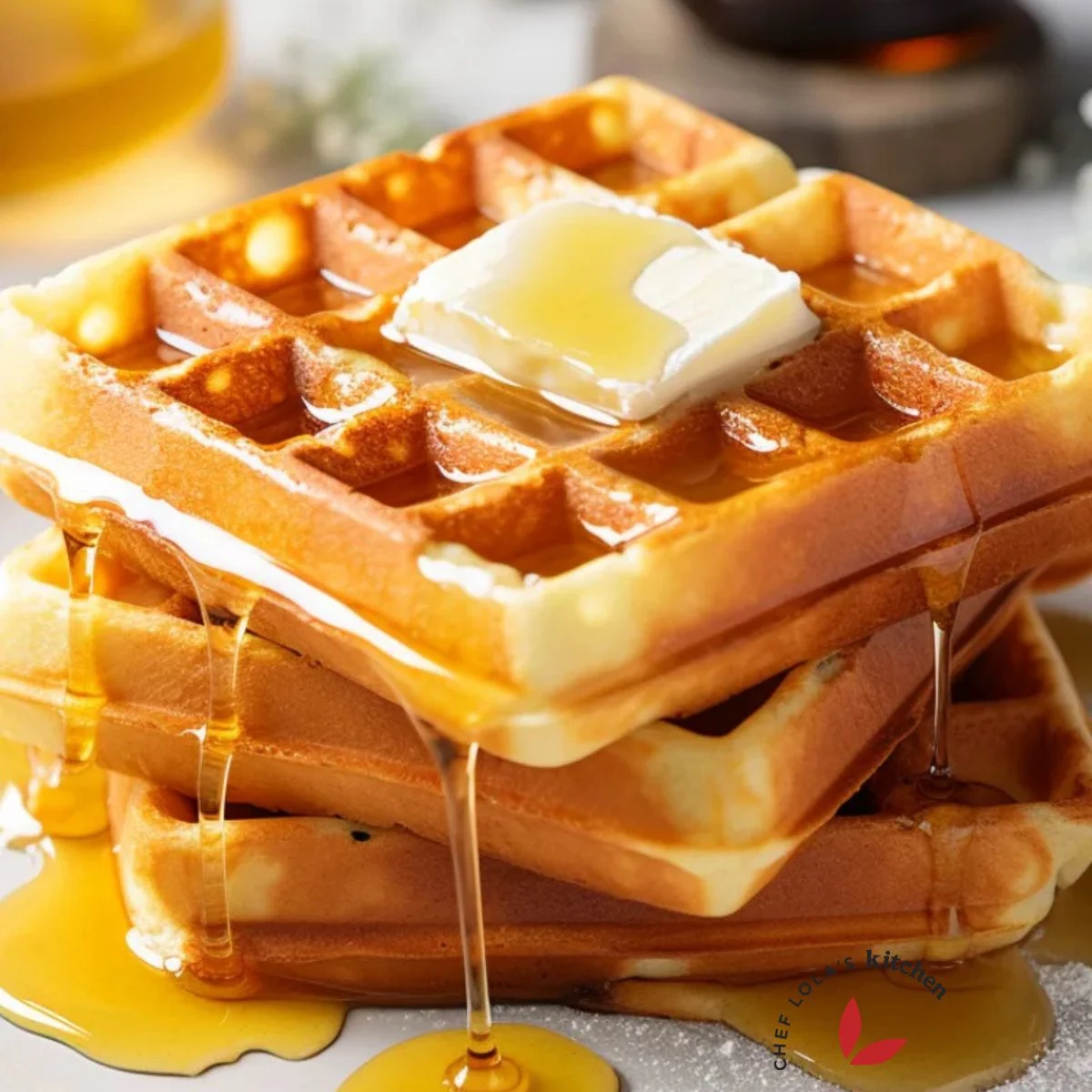
Credit: cheflolaskitchen.com
Frequently Asked Questions
Why Do Waffles Stick To The Waffle Maker?
Waffles stick due to insufficient oil or improper batter consistency. Ensure the waffle iron is preheated and greased. A non-stick spray or a light brush of oil works best. Also, the batter should be neither too thick nor too runny.
Proper balance ensures easy release.
How Can I Prevent Waffles From Sticking?
To prevent sticking, always preheat your waffle iron thoroughly. Use a non-stick spray or brush with oil evenly. Ensure your batter has the right consistency, not too thick or thin. Avoid opening the waffle maker too early. Let the waffle cook until it’s done for easy removal.
What Type Of Oil Is Best For Waffle Irons?
Use oils with high smoke points like canola or vegetable oil. They provide a non-stick surface without burning. Avoid butter, as it can burn and cause sticking. A light coat ensures easy waffle release and crisp texture. Regular maintenance of the waffle iron also helps.
Does Waffle Batter Affect Sticking?
Yes, the batter’s consistency impacts sticking. A well-mixed, medium-thick batter reduces sticking risks. Avoid adding too much sugar, which can caramelize and stick. Ensure all ingredients are well-combined for even cooking. Consistency should allow the batter to spread without being too runny.
Conclusion
Waffles stick less when you grease the pan well. Use medium heat for even cooking. Let the batter rest before cooking. Clean the waffle iron after each use. These small steps make a big difference. Enjoy crispy, perfect waffles every time.
Keep practicing to find what works best. Simple changes bring tasty, easy results. Your waffle mornings will be much better. Try these tips and see the difference!