
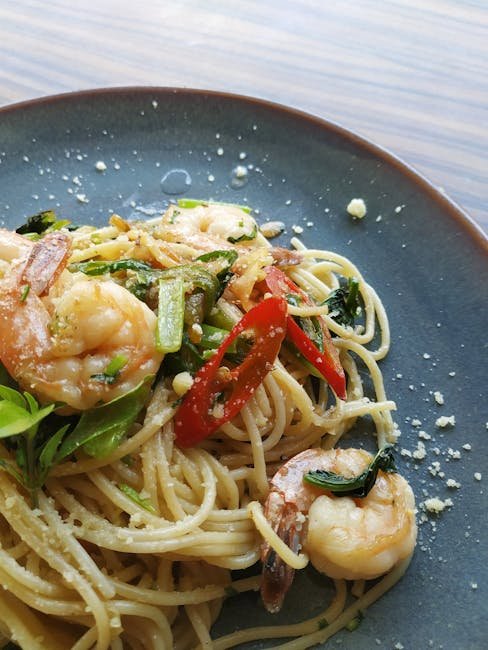
Craving a delicious seafood pasta that tastes like it’s from a fancy restaurant, but easy enough to make at home? You’re in the right place.
Imagine twirling perfectly cooked pasta with fresh, flavorful seafood in a rich, savory sauce that melts in your mouth. Sounds amazing, right? In this guide, you’ll discover simple steps and insider tips to create the best seafood pasta that will impress your family and friends.
Ready to turn your kitchen into a seafood haven? Let’s dive in and make your next meal unforgettable.
Choosing Quality Seafood
Picking the right seafood is key to making delicious seafood pasta. Good seafood tastes fresh and has a firm texture.
Learn how to choose between fresh and frozen options. Also, find out why sustainable seafood matters.
Fresh Vs. Frozen Options
Fresh seafood often has a better texture and flavor. It should smell like the ocean, not fishy.
Frozen seafood can be just as good if handled well. It keeps nutrients and taste when frozen quickly.
- Choose fresh seafood with clear eyes and shiny skin.
- Frozen seafood should be solid with no ice crystals inside.
- Buy frozen seafood from trusted sellers for best quality.
- Use frozen seafood soon after thawing for best taste.
Selecting Sustainable Seafood
Sustainable seafood comes from healthy ocean sources. It helps keep fish populations safe and waters clean.
Look for seafood caught or farmed in ways that do not harm the environment.
- Choose seafood with eco-friendly labels or certifications.
- Avoid species that are overfished or endangered.
- Ask your fishmonger about the source of the seafood.
- Try local seafood to support nearby ecosystems and communities.
Perfect Pasta Pairings
Choosing the right pasta makes seafood dishes taste better. Different pasta shapes hold sauces and seafood in unique ways.
Cooking pasta just right is key. It should be firm but not hard to enjoy the full flavor of your seafood pasta.
Types Of Pasta For Seafood
Some pasta shapes work better with seafood than others. Long, thin pasta pairs well with light sauces and small seafood.
- Spaghetti: Great with clams and light olive oil sauces.
- Linguine: Holds creamy seafood sauces well.
- Fettuccine: Best for thicker, buttery sauces with shrimp.
- Angel Hair: Perfect for delicate fish and light tomato sauces.
- Fusilli: Twists trap chunky seafood pieces and rich sauces.
Cooking Pasta To Al Dente
Al dente pasta has a slight bite. It pairs well with seafood by keeping texture in the dish.
| Tip | Details |
| Boiling Time | Follow package instructions, reduce by 1-2 minutes |
| Taste Test | Check pasta by biting; it should be firm but not hard |
| Drain and Toss | Drain quickly and mix with sauce immediately |
| Reserve Pasta Water | Save some water to adjust sauce thickness |
Building A Flavorful Base
Making great seafood pasta starts with a rich and tasty base. This base brings all ingredients together and lifts the dish.
Focus on layers of flavor from the sauce and aromatics. These give the pasta depth and a fresh taste.
Creating A Rich Sauce
A good sauce is thick, flavorful, and balances the seafood. Use fresh tomatoes or cream for a smooth texture.
- Start with olive oil to add richness
- Add crushed tomatoes or cream for body
- Simmer slowly to blend flavors
- Season with salt and pepper
- Add seafood broth if possible for extra taste
Using Aromatics For Depth
Aromatics add layers of flavor to the sauce. Use garlic, onions, and herbs for a strong base.
| Aromatic | Flavor Profile | Use Tips |
| Garlic | Sharp, pungent | Lightly sauté until golden |
| Onion | Sweet, savory | Cook slowly to soften and sweeten |
| Bay Leaf | Herbal, slightly floral | Remove before serving |
| Fresh Parsley | Bright, fresh | Add at the end for color |
| Red Pepper Flakes | Spicy, warm | Use sparingly for heat |
Cooking Techniques
Cooking seafood pasta well depends on using the right techniques. Proper cooking brings out the best flavors and textures.
Two important skills are sautéing seafood properly and timing the cooking to get perfect texture.
Sautéing Seafood Properly
Sautéing seafood means cooking it fast in a hot pan with a little oil or butter. This method keeps seafood tender and juicy.
Make sure the pan is hot before adding seafood. Cook in small batches to avoid crowding. Stir gently and do not overcook.
- Use medium-high heat for quick cooking
- Add seafood only when the pan is hot
- Cook in small batches to keep heat steady
- Stir gently to avoid breaking seafood
- Remove seafood as soon as it turns opaque
Timing For Perfect Texture
Timing is key to keep seafood tender. Overcooked seafood becomes rubbery and dry. Undercooked seafood feels raw and tough.
Shrimp and scallops cook in 2-3 minutes. Mussels and clams take about 5 minutes until they open. Fish fillets need 3-4 minutes per side.
- Shrimp and scallops: 2-3 minutes
- Mussels and clams: 5 minutes until shells open
- Fish fillets: 3-4 minutes per side
- Check seafood often to avoid overcooking
Balancing Flavors
Seafood pasta tastes best when all flavors work well together. Balancing salty, sweet, and savory makes every bite delicious.
Using the right herbs, spices, and acidity helps bring out seafood’s natural taste. This guide shows how to balance flavors easily.
Incorporating Herbs And Spices
Herbs and spices add freshness and depth to seafood pasta. They highlight the seafood without overpowering it.
Common herbs like parsley and basil bring a fresh, green note. Spices such as red pepper flakes add a mild heat that wakes up the dish.
- Use fresh herbs for bright, clean flavors
- Add dried spices early to blend with sauce
- Be careful not to add too much spice
- Parsley, basil, oregano, and thyme are good choices
- Red pepper flakes or black pepper give gentle heat
Adding Acidity For Brightness
Acidity balances rich seafood and pasta. It adds a fresh, bright taste that lifts the whole dish.
Lemon juice or vinegar are easy ways to add acidity. Add them near the end of cooking to keep the bright flavor alive.
- Use fresh lemon juice for natural brightness
- A splash of white wine vinegar adds sharpness
- Tomatoes also add mild acidity and sweetness
- Start with small amounts and taste as you go
- Acidity helps balance creamy or oily sauces
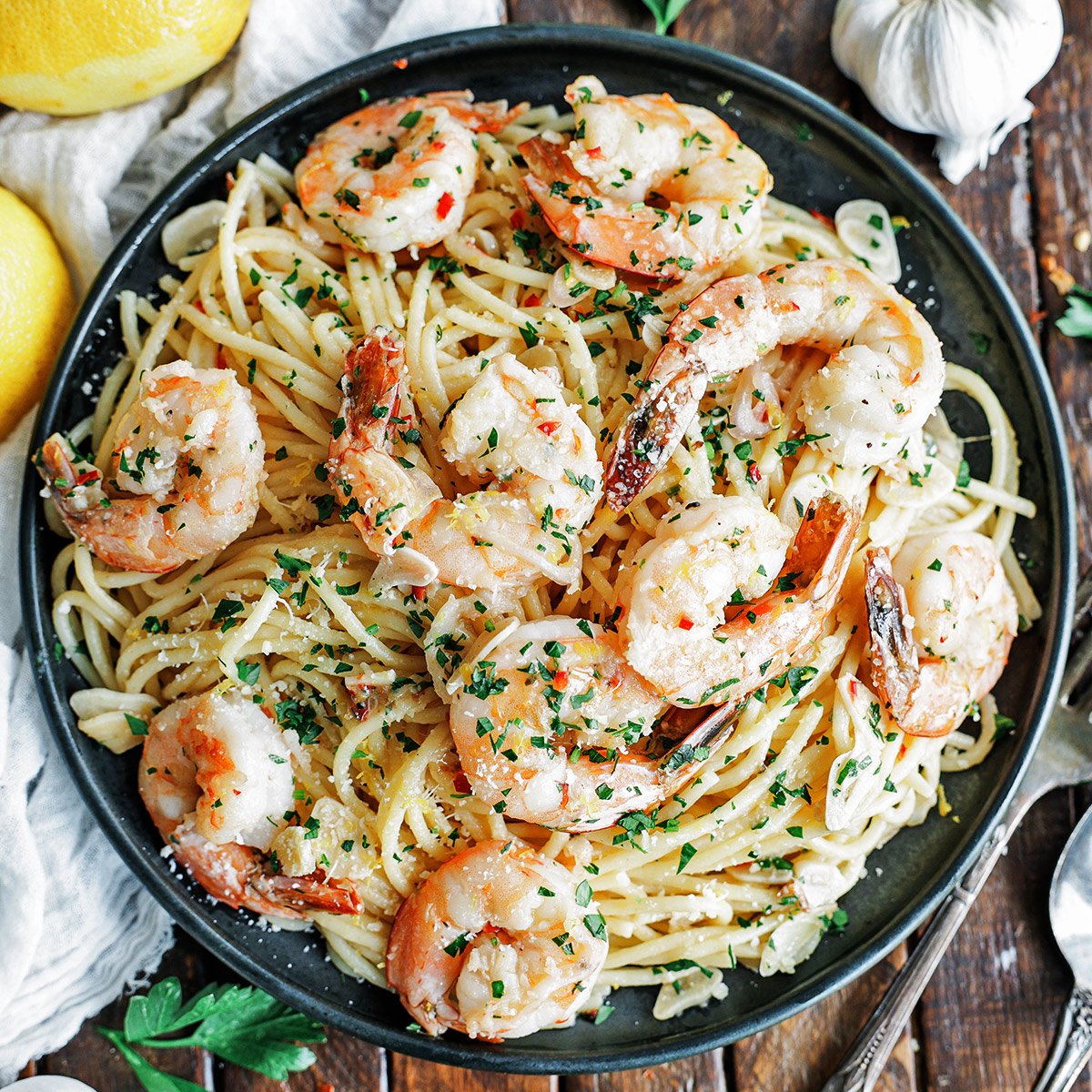
Credit: www.billyparisi.com
Presentation Tips
Making seafood pasta is not only about taste. How you present it affects the dining experience. A well-presented dish looks fresh and inviting.
Simple presentation tips can make your seafood pasta stand out. Let’s explore easy ways to plate and garnish like a chef.
Plating For Visual Appeal
Choose a clean, wide plate to give enough space for the pasta. This helps avoid a crowded look. Twirl the pasta into a neat mound using a fork.
Place seafood pieces on top so they are clearly visible. Use contrasting colors like red shrimp or green herbs to make the dish pop.
- Use white or light-colored plates to highlight the food
- Keep the portion size balanced, not too big or small
- Arrange seafood and pasta separately but close
- Wipe the edges of the plate clean before serving
Garnishing Like A Pro
Garnishes add color and freshness. Use fresh herbs like parsley or basil. Sprinkle them lightly over the pasta for a natural look.
Add a lemon wedge or a drizzle of olive oil for shine and flavor. Avoid over-garnishing, which can hide the main ingredients.
- Chop herbs finely for an even sprinkle
- Add a few small seafood pieces as garnish
- Use edible flowers for a colorful touch
- Place lemon wedges at the side for easy squeezing
Pairing With Drinks
Choosing the right drink can make your seafood pasta taste even better. Drinks bring out the flavors in your dish.
Both alcoholic and non-alcoholic drinks can pair well with seafood pasta. Pick a drink that matches the taste of your meal.
Wine Selections For Seafood Pasta
White wines often pair well with seafood pasta. They have light, fresh flavors that match seafood nicely.
Try wines like Pinot Grigio or Sauvignon Blanc. These wines have citrus and herbal notes that enhance seafood taste.
- Pinot Grigio – crisp and light
- Sauvignon Blanc – bright and zesty
- Chardonnay (unoaked) – smooth and fresh
- Vermentino – aromatic and balanced
Non-alcoholic Beverage Options
Non-alcoholic drinks can also enhance your seafood pasta experience. Choose drinks that are refreshing and light.
Try sparkling water with lemon or iced herbal tea. These drinks cleanse your palate and do not overpower flavors.
- Sparkling water with a slice of lemon
- Iced green tea or chamomile tea
- Fresh lemonade, lightly sweetened
- Cucumber and mint infused water

Credit: ifyougiveagirlagrill.com
Credit: www.youtube.com
Frequently Asked Questions
What Seafood Is Best For Pasta Dishes?
The best seafood for pasta includes shrimp, scallops, clams, mussels, and calamari. These offer great flavor and texture. Fresh or frozen options work well, but fresh is preferred for a better taste. Choose seafood that cooks quickly to avoid overcooking your pasta.
How Do I Avoid Overcooking Seafood Pasta?
Cook seafood separately and add it to pasta last. Use medium heat and short cooking times. Overcooking makes seafood rubbery. Drain pasta al dente to maintain texture. Combine gently to keep seafood tender and flavorful.
What Sauce Pairs Well With Seafood Pasta?
Light sauces like garlic butter, white wine, or tomato-based sauces complement seafood pasta best. Creamy sauces can overpower delicate seafood flavors. Use fresh herbs and lemon juice to enhance taste. Balance flavors for a delicious, well-rounded dish.
Can I Use Dried Pasta For Seafood Pasta?
Yes, dried pasta works well, especially spaghetti, linguine, or fettuccine. Cook it al dente for the best texture. Fresh pasta is softer but dried pasta holds sauce better. Choose pasta shape that catches the sauce for maximum flavor.
Conclusion
Making seafood pasta can be simple and fun. Fresh ingredients bring the best taste. Cook pasta just right, not too soft. Add seafood carefully to keep it tender. A little garlic and herbs add flavor. Serve hot and enjoy every bite.
Try this recipe often for family and friends. Great meals start with good steps. Enjoy your delicious seafood pasta today!