

Are you ready to create pasta noodles that taste like they came from an authentic Italian kitchen? Making the best pasta noodles at home isn’t as hard as you might think.
With just a few simple ingredients and easy steps, you can transform your meals and impress everyone at your table. Imagine biting into fresh, perfectly cooked noodles that melt in your mouth—this guide will show you exactly how to get there.
Keep reading, and you’ll discover the secrets to making pasta noodles that are soft, flavorful, and truly unforgettable.
Choosing The Right Ingredients
Making great pasta noodles starts with picking the right ingredients. Each part plays a role in the final taste and texture.
Here we look at three main parts: flour, eggs, and the water and salt used in the dough.
Selecting The Best Flour
Flour type changes how your pasta feels and tastes. Use flour with a good amount of protein for strong dough.
- Use “00” flour for smooth, silky pasta
- All-purpose flour works well for everyday pasta
- Semolina flour adds a firm bite and yellow color
- Mix flours to get the right texture you want
Importance Of Fresh Eggs
Fresh eggs give pasta a rich flavor and bright color. They also help the dough hold together well.
| Egg Quality | Effect on Pasta |
| Fresh | Better taste and color |
| Older | Duller taste, weaker dough |
| Organic | Richer flavor, firmer texture |
Water And Salt Proportions
Water and salt balance affects dough texture and taste. Too much water makes dough sticky; too little makes it dry.
Keep this simple guide in mind:
- Use cold water to control dough consistency.
- Add a pinch of salt to improve flavor.
- Adjust water little by little to get soft dough.
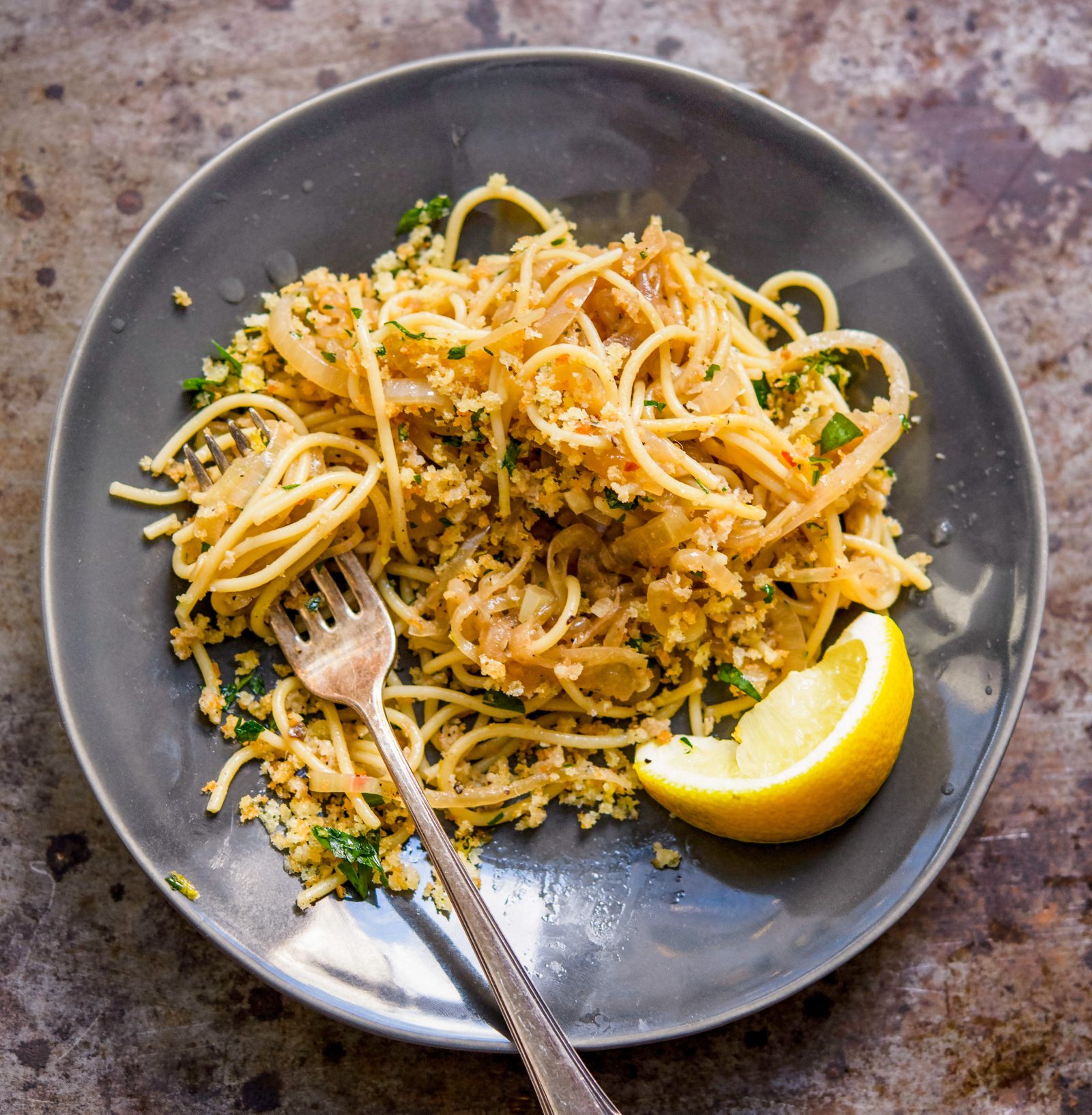
Credit: www.177milkstreet.com
Essential Tools For Pasta Making
Making pasta noodles at home needs the right tools. Using good tools helps you get the best texture and taste.
This guide explains key tools and compares them to help you choose what fits your kitchen.
Pasta Machine Vs. Rolling Pin
A pasta machine makes rolling dough thin and even easier. It saves time and effort. You turn a handle to flatten and cut the dough.
A rolling pin is simple and low cost. It works well if you do not make pasta often. It takes more time and skill to get the dough thin enough.
- Pasta Machine:Uniform thickness, less effort
- Rolling Pin:Affordable, needs practice
- Cleaning:Pasta machines need careful cleaning
- Storage:Rolling pins take less space
Must-have Kitchen Gadgets
Some extra gadgets make pasta making easier and more fun. They help shape, cut, and cook noodles.
| Gadget | Use | Benefit |
| Bench Scraper | Cut and lift dough | Keeps work surface clean |
| Flour Sifter | Dust flour on dough | Prevents sticking |
| Drying Rack | Hang noodles to dry | Stops noodles from sticking |
| Pasta Cutter Wheel | Cut noodles in shapes | Creates even strips |
Step-by-step Dough Preparation
Making pasta noodles starts with preparing the dough correctly. Good dough gives noodles a perfect texture.
Follow simple steps to mix, knead, and rest the dough before shaping your pasta.
Mixing And Kneading Techniques
Begin by combining flour and eggs in a large bowl or on a clean surface. Use your hands or a fork to mix until the dough comes together.
Knead the dough by pressing and folding it with your palms. Keep kneading for about 10 minutes until it feels smooth and elastic.
- Use a clean surface to mix and knead
- Press the dough down and fold it over
- Keep kneading until dough is smooth
- Rest your hands if they get tired
- Add a little flour if dough is sticky
Resting The Dough
After kneading, wrap the dough in plastic wrap or cover it with a bowl. Let it rest at room temperature for at least 30 minutes.
Resting allows the gluten to relax. This makes the dough easier to roll out and shape into noodles.
- Wrap dough tightly to prevent drying
- Rest for 30 to 60 minutes
- Keep at room temperature, not cold
- Rested dough rolls out smoothly
Rolling And Cutting Techniques
Making pasta noodles starts with rolling the dough correctly. Cutting the dough into shapes is just as important.
Good rolling and cutting help the noodles cook evenly and hold sauce well. Let’s look at some key methods.
Achieving The Perfect Thickness
Roll the dough evenly to get the right thickness. Thin dough cooks faster and feels lighter, while thicker dough is chewier.
- Lightly flour the surface to prevent sticking.
- Roll from the center outward with even pressure.
- Turn the dough 90 degrees between rolls for uniform thinness.
- Use a pasta machine if available for consistent thickness.
- Check thickness by holding the dough up to light.
Different Pasta Shapes
Cut pasta into shapes like fettuccine, tagliatelle, or pappardelle. Each shape has a width that suits different sauces.
| Shape | Width | Best Sauce Types |
|---|---|---|
| Fettuccine | 6 mm | Creamy and thick sauces |
| Tagliatelle | 8 mm | Meat and tomato sauces |
| Pappardelle | 25-30 mm | Hearty, chunky sauces |
| Spaghetti | 2 mm | Light oil or tomato sauces |
Cooking The Pasta Noodles
Cooking pasta noodles correctly is important to get the right texture. Overcooked or undercooked pasta can spoil your dish.
Use plenty of water and salt to give the noodles flavor and keep them from sticking together.
Ideal Boiling Time
The boiling time depends on the type and thickness of the pasta. Fresh pasta cooks faster than dried pasta.
Usually, dried pasta needs 8 to 12 minutes to cook. Fresh pasta takes only 2 to 4 minutes.
- Use a large pot of boiling water
- Add salt to the water before adding pasta
- Stir pasta occasionally while cooking
- Follow package instructions for timing
Testing For Doneness
Check pasta a minute before the suggested cooking time ends. This helps avoid overcooking.
Bite into a noodle to test. It should be soft but still firm in the center. This is called al dente.
- Remove one noodle with a fork
- Let it cool for a few seconds
- Bite to check the texture
- Cook longer if it feels too hard

Credit: kristineskitchenblog.com
Pairing With Sauces And Toppings
Pasta noodles taste best when paired with the right sauces and toppings. Choosing the perfect match makes your dish delicious and balanced.
Below are some classic sauce pairings and creative ideas for toppings to enhance your pasta experience.
Classic Sauce Pairings
Different pasta shapes work well with certain sauces. Thick sauces suit wide noodles, while thin sauces go with delicate pasta.
| Pasta Type | Best Sauce | Why It Works |
| Spaghetti | Marinara | Thin strands hold light tomato sauce well |
| Fettuccine | Alfredo | Wide noodles carry creamy sauces smoothly |
| Penne | Arrabbiata | Tube shape traps spicy sauce inside |
| Rigatoni | Bolognese | Ridges hold chunky meat sauce tightly |
| Angel Hair | Pesto | Delicate pasta pairs with fresh herb sauce |
Creative Topping Ideas
Toppings add texture and flavor. Use fresh herbs, cheese, nuts, or roasted vegetables to make your pasta unique.
- Grated Parmesan or Pecorino cheese
- Toasted pine nuts or walnuts
- Fresh basil, parsley, or oregano leaves
- Roasted cherry tomatoes or bell peppers
- Crumbled crispy bacon or pancetta
- Chili flakes for a spicy kick
- Drizzle of good olive oil or balsamic glaze
Storing And Preserving Homemade Pasta
Homemade pasta tastes best when fresh. Storing it properly keeps its texture and flavor. You can save it for a short time or freeze it for longer use.
Learn how to store pasta to avoid drying out or sticking together. Follow simple steps for best results.
Short-term Storage Tips
Keep fresh pasta in the fridge if you plan to use it soon. It will stay good for one to two days.
- Dust pasta lightly with flour to stop sticking.
- Place pasta in an airtight container or a sealed plastic bag.
- Store the container on a middle shelf in the fridge.
- Do not store pasta near strong-smelling foods.
- Use the pasta within 48 hours for best taste.
Freezing Techniques
Freezing pasta helps preserve it for weeks. Use this method to keep pasta fresh for longer periods.
| Freezing Step | Description |
|---|---|
| Prepare Pasta | Lay pasta flat on a baking sheet dusted with flour. |
| Freeze Briefly | Place the sheet in the freezer for 15-20 minutes until firm. |
| Package | Transfer frozen pasta to airtight freezer bags or containers. |
| Label | Write the date on the bag or container for reference. |
| Storage Time | Use within 2 months for best flavor and texture. |

Credit: www.theseasonedmom.com
Troubleshooting Common Mistakes
Making pasta noodles at home can be fun but tricky. Small errors can affect the dough and cooking.
This guide helps you fix dough problems and avoid overcooked pasta for better results.
Fixing Dough Consistency Issues
Dough should be smooth and elastic. If it is too sticky or dry, your noodles will not turn out well.
- If dough is sticky, add flour little by little while kneading.
- If dough is too dry and crumbly, add a few drops of water and knead again.
- Rest dough for 30 minutes wrapped in plastic to improve texture.
- Use room temperature ingredients to avoid uneven dough consistency.
Avoiding Overcooked Pasta
Overcooked pasta becomes soft and mushy. Cooking time is key to perfect noodles.
| Common Cause | How to Fix | Tip |
| Boiling too long | Check pasta after 1 minute before suggested time | Use a timer to avoid guessing |
| Using low heat | Keep water at a rolling boil | High heat cooks pasta evenly |
| Not stirring | Stir pasta in first 2 minutes | Prevents noodles from sticking |
| Adding oil to water | Avoid adding oil to boiling water | It makes sauce slide off pasta |
Frequently Asked Questions
What Ingredients Make The Best Pasta Noodles?
The best pasta noodles use flour, eggs, salt, and water. High-quality flour and fresh eggs ensure smooth texture and rich flavor. Simple ingredients create authentic, homemade pasta noodles that cook perfectly every time.
How Long Should I Knead Pasta Dough?
Knead pasta dough for 8 to 10 minutes until smooth. Proper kneading develops gluten, making noodles elastic and easy to roll. Avoid under or over-kneading to ensure perfect noodle texture.
What’s The Ideal Thickness For Pasta Noodles?
Ideal pasta noodle thickness is about 1 to 2 millimeters. Thin noodles cook quickly and hold sauce well. Adjust thickness based on noodle type and personal preference.
How To Prevent Pasta Noodles From Sticking?
To prevent noodles from sticking, use plenty of salted boiling water. Stir noodles gently during cooking. Toss cooked noodles with olive oil or sauce to keep them separate.
Conclusion
Making pasta noodles at home brings fresh taste and fun. Use simple ingredients and follow easy steps. Practice helps improve your skills quickly. Enjoy the process and share your creations with friends. Homemade pasta adds a special touch to meals.
Try different shapes and sauces to find favorites. Cooking can be relaxing and rewarding. Keep experimenting and enjoy delicious pasta every time.