

Are you ready to create a pasta Bolognese that tastes like it came straight from an Italian kitchen? Imagine serving a dish so rich, flavorful, and comforting that everyone asks for seconds.
This guide will show you exactly how to make the best pasta Bolognese with simple steps and ingredients you can trust. Whether you’re cooking for family, friends, or just yourself, you’ll discover secrets that turn an ordinary meal into something unforgettable.
Keep reading, and soon you’ll be enjoying a plate full of pure deliciousness.
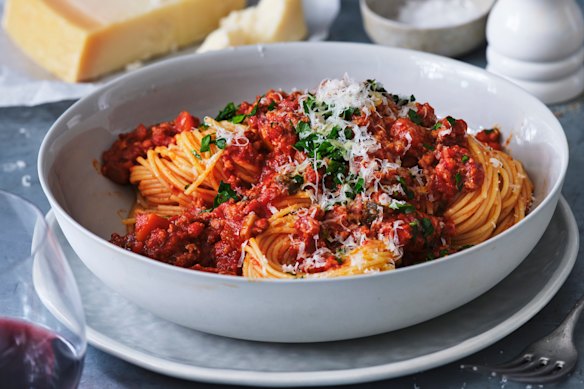
Credit: www.smh.com.au
Choosing The Right Ingredients
Making a delicious pasta Bolognese starts with the right ingredients. Each ingredient adds flavor and texture to the dish.
Choosing fresh and quality items makes your sauce taste rich and authentic. Let’s explore how to pick the best ingredients.
Selecting Quality Meat
Good meat is the base of a tasty Bolognese sauce. Use fresh ground beef or a mix of beef and pork for deeper flavor.
Look for meat that is bright in color and has a firm texture. Avoid meat with too much fat or a greyish tint.
- Choose lean ground beef with about 80% lean content
- Mix in pork for a softer, richer sauce
- Buy from trusted butchers or fresh meat counters
- Check the use-by date for freshness
Picking Fresh Vegetables
Vegetables add sweetness and depth to the sauce. Use fresh onions, carrots, and celery for the best taste.
Choose vegetables that are firm and free from spots or bruises. Freshness brings out the natural flavors in your sauce.
- Pick onions with dry, papery skin and no soft spots
- Carrots should be bright orange and crisp
- Celery stalks must be firm and green
- Use garlic that is firm and free from mold
Choosing The Perfect Pasta
The right pasta holds the sauce well. Traditional choices like tagliatelle or fettuccine work best with Bolognese.
Pick pasta made from durum wheat for good texture. Fresh pasta cooks quickly and tastes soft, while dried pasta is firm.
- Use tagliatelle or fettuccine for classic pairing
- Choose pasta with rough surfaces to hold sauce
- Try fresh pasta for a tender bite
- Cook pasta al dente for best texture

Credit: playswellwithbutter.com
Crafting The Sauce
Making a great pasta Bolognese starts with the sauce. The sauce must have rich flavors and a smooth texture.
Careful steps help build the sauce’s taste. Each step adds a special touch to the final dish.
Sautéing For Depth Of Flavor
Sautéing vegetables and meat slowly brings out strong flavors. Use olive oil or butter to cook onions, carrots, and celery until soft.
Brown the ground meat well. The caramelized bits add a deep taste to the sauce.
Incorporating Herbs And Spices
Add herbs like basil, oregano, and thyme for an Italian touch. Fresh or dried herbs both work well in the sauce.
Spices such as black pepper and a pinch of nutmeg enhance flavor. Add them slowly and taste as you go.
- Basil
- Oregano
- Thyme
- Black pepper
- Nutmeg (small pinch)
Balancing Acidity With Sweetness
Tomatoes add acidity to the sauce. Balance this with a bit of sugar or grated carrot to reduce sharpness.
This balance makes the sauce taste smooth and full. Adjust sweetness slowly to keep flavors natural.
Perfecting The Cooking Technique
Making the best pasta Bolognese is about more than ingredients. The way you cook the sauce changes its flavor and texture.
Focus on slow cooking, timing, and tasting. These steps help create a rich and tasty sauce.
Simmering For Richness
Simmer the sauce slowly on low heat. This lets the flavors mix and deepen over time.
Keep the sauce just below boiling. A gentle bubble prevents it from drying out or burning.
- Use a heavy pot for even heat
- Stir occasionally to avoid sticking
- Cook for at least 1 to 2 hours
Timing For Optimal Texture
Cook the meat and vegetables until soft before adding liquids. This builds a good base for the sauce.
Adjust cooking time based on sauce thickness. Too short makes it watery, too long can dry it out.
- Brown meat fully for better flavor
- Simmer sauce until it thickens slightly
- Check texture every 20 minutes
Stirring And Tasting Tips
Stir the sauce gently but often. This stops burning and helps flavors blend well.
Taste the sauce regularly. Add salt, pepper, or herbs little by little to avoid mistakes.
- Use a wooden spoon for stirring
- Taste after every 30 minutes of cooking
- Adjust seasoning gradually for balance
Pairing With Complementary Sides
Pasta Bolognese is a rich and hearty dish. Adding the right sides makes the meal balanced and enjoyable.
Choose sides that bring freshness and texture to your plate. This helps to highlight the flavors of the pasta.
Choosing The Right Wine
Red wines work well with Pasta Bolognese. They match the meat and tomato sauce flavors.
Look for wines that are medium-bodied and not too strong. They balance the rich sauce nicely.
- Sangiovese
- Chianti
- Merlot
- Barbera
Preparing A Simple Salad
A fresh salad adds crunch and lightness to your meal. Use crisp greens and simple dressings.
Keep the salad ingredients basic so they do not overpower the pasta flavors.
- Romaine or mixed greens
- Cherry tomatoes
- Cucumber slices
- Olive oil and lemon dressing
Serving With Fresh Bread
Fresh bread helps soak up the sauce from your Pasta Bolognese. It adds a soft texture to the meal.
Choose crusty bread or a soft loaf. Warm it before serving for the best taste.
- Baguette
- Ciabatta
- Focaccia
Presentation And Serving
Serving pasta bolognese well makes the meal more enjoyable. Good presentation shows care and makes food look tasty.
Follow simple tips to plate, garnish, and serve your pasta for the best experience.
Plating For Visual Appeal
Use a wide, shallow bowl or a flat plate for serving. This helps spread the pasta and sauce evenly.
Place the pasta in the center and spoon the sauce on top. Avoid drowning the pasta in sauce.
- Twirl pasta with a fork for a neat shape
- Keep the plate edges clean and dry
- Use contrasting plate colors, like white, to highlight the dish
Garnishing With Fresh Herbs
Add fresh herbs to boost flavor and add color. They make the dish look fresh and inviting.
Common herbs for bolognese include basil, parsley, and oregano. Sprinkle a small amount just before serving.
- Chop parsley finely and sprinkle on top
- Place a whole basil leaf for a simple look
- Add a pinch of oregano for a rustic touch
Serving Suggestions
Serve pasta bolognese with sides that balance the meal. Bread and salad work well.
Offer grated Parmesan cheese and crushed red pepper on the side. Let guests add as they like.
- Garlic bread or crusty baguette
- Simple green salad with olive oil dressing
- Glass of red wine or sparkling water
Common Mistakes To Avoid
Making pasta Bolognese is simple, but some errors can ruin the dish. Avoid these mistakes to make your sauce taste better and your pasta cook perfectly.
Knowing what not to do helps you get the best results. Here are common mistakes many cooks make with pasta Bolognese.
Overcooking The Pasta
Boiling pasta too long makes it soft and mushy. Overcooked pasta loses its texture and taste.
Cook pasta until it is just firm to bite, called “al dente”. Drain it quickly and do not rinse unless the recipe says so.
- Use a large pot with plenty of water
- Check pasta package for cooking time
- Taste pasta a minute before time ends
- Drain pasta immediately when done
Using The Wrong Type Of Meat
Choosing the wrong meat can make your Bolognese greasy or bland. Traditional sauce uses ground beef or a mix of pork and beef.
Lean meat gives good flavor without too much fat. Fatty meat can make the sauce oily and heavy.
- Use ground beef with some fat (around 15%)
- Mix pork for richer taste if you like
- Avoid very lean meat to keep sauce moist
- Do not use processed meats or sausage
Neglecting Seasoning
Not adding enough salt and herbs can make your sauce taste flat. Seasoning brings out the flavors in every ingredient.
Season the sauce while cooking and taste often. Add salt, pepper, and herbs like basil or oregano to enhance the dish.
- Add salt to the meat while browning
- Season the tomato sauce during simmering
- Taste and adjust salt and pepper before serving
- Use fresh or dried herbs for aroma and flavor
Tips For Enhancing Flavor
Pasta Bolognese tastes best when each element adds depth. Small changes can make the sauce richer and more delicious.
Use simple tricks to bring out the natural flavors. These tips help you make a sauce full of character and warmth.
Adding A Secret Ingredient
Try adding one unexpected item to your sauce. It should blend well but surprise your taste buds.
- A splash of milk softens acidity and makes sauce creamy.
- A small piece of dark chocolate adds richness and depth.
- Grated carrot or celery adds natural sweetness without sugar.
- A dash of Worcestershire sauce gives a subtle tangy boost.
Using Homemade Stock
Homemade stock adds a fresh and full flavor that store-bought cannot match. It enhances every bite.
| Type of Stock | Flavor Notes |
| Beef Stock | Rich and meaty |
| Chicken Stock | Light and savory |
| Vegetable Stock | Fresh and earthy |
Use your favorite stock type to simmer the sauce. This step builds a base that tastes homemade.
Experimenting With Cheese
Cheese changes the flavor and texture of your pasta dish. Use different kinds to find your favorite taste.
Try mixing cheeses for more flavor:
- Parmesan for a salty, nutty finish
- Ricotta for creaminess and mild taste
- Pecorino Romano for a sharper, tangy note
- Mozzarella for gooey texture and mild flavor
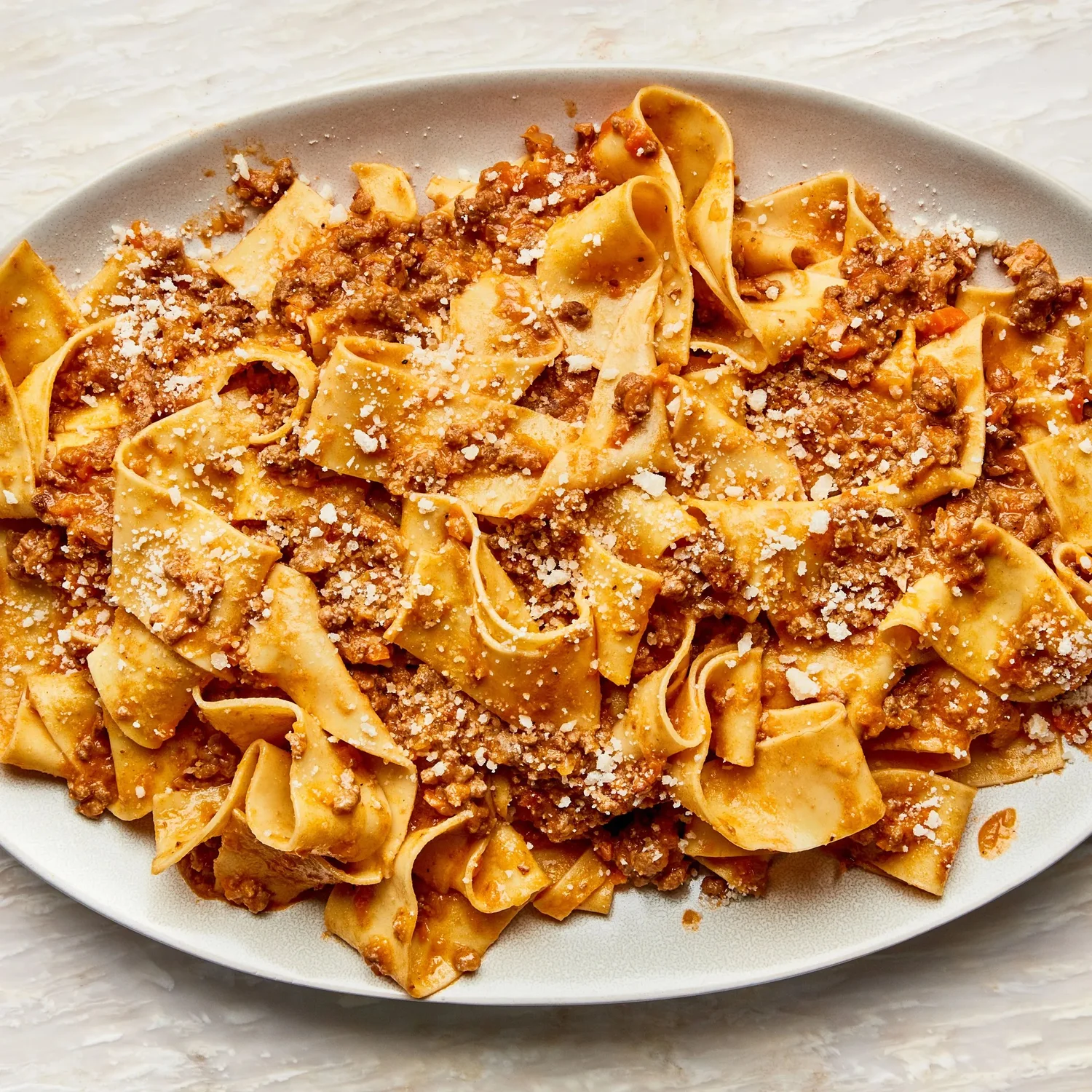
Credit: www.andybaraghani.com
Frequently Asked Questions
What Ingredients Make The Best Pasta Bolognese?
The best pasta bolognese uses ground beef, onions, garlic, tomatoes, carrots, celery, and Italian herbs. Fresh ingredients and quality meat enhance flavor. Simmering the sauce slowly enriches the taste and texture, creating a rich, hearty sauce perfect for any pasta.
How Long Should Bolognese Sauce Simmer?
Bolognese sauce should simmer for at least 1. 5 to 2 hours. Slow cooking allows flavors to develop and the meat to become tender. Stir occasionally and add liquid if needed to prevent drying and ensure a rich, thick sauce.
Which Pasta Pairs Best With Bolognese Sauce?
Traditional pasta for bolognese is tagliatelle, fettuccine, or pappardelle. These flat, broad noodles hold the thick sauce well. Spaghetti is common but less ideal, as the sauce clings better to wider pasta, enhancing each bite with rich flavors.
Can I Make Bolognese Sauce Ahead Of Time?
Yes, bolognese sauce tastes better when made ahead. Refrigerate it for up to 3 days or freeze for up to 3 months. Reheat gently to preserve flavor and texture. This saves time and deepens the sauce’s rich taste.
Conclusion
Making the best pasta Bolognese takes time and care. Use fresh ingredients and cook slowly. Let the sauce simmer to bring out rich flavors. Stir often and taste as you go. Serve with your favorite pasta for a hearty meal.
Simple steps lead to a delicious dish. Enjoy the process and the tasty results. A good Bolognese always feels like home. Try this recipe and share it with friends. Cooking can be fun and rewarding. Bon appétit!