
Have you ever wondered how to make the best homemade pasta that tastes fresh and melts in your mouth? Imagine serving a dish so delicious, your family and friends will keep asking for seconds.
Making pasta from scratch might sound tricky, but with the right steps, you can easily create restaurant-quality pasta right in your own kitchen. In this guide, you’ll discover simple tips and secrets to transform basic ingredients into perfect pasta every time.
Ready to impress yourself and everyone at your table? Let’s dive in and make your homemade pasta dreams come true.
Choosing The Right Ingredients
Making homemade pasta starts with picking good ingredients. The right choices help your pasta taste fresh and have the perfect texture.
Simple ingredients like flour, eggs, water, and salt work best. Each one plays an important role in how your pasta turns out.
Flour Selection
Flour is the base of pasta dough. The type of flour you use changes the dough’s feel and taste.
Use flour with a good amount of protein. It helps the dough hold together and gives it strength.
- All-purpose flour is easy to find and works well.
- Semolina flour adds a bit of texture and a yellow color.
- 00 flour is finely ground and makes smooth dough.
Eggs And Their Role
Eggs add flavor and richness to pasta. They also help bind the dough together.
Use fresh eggs for the best taste. The yolks give pasta a nice yellow color and soft texture.
- Whole eggs create a balanced dough.
- Extra egg yolks make the pasta richer and silkier.
- Some recipes use only water for a lighter pasta.
Water And Salt Essentials
Water helps bring the dough together. Use it carefully to avoid sticky dough.
Salt adds flavor to the dough. It enhances the taste without making it salty.
- Use cool water to control dough texture.
- Add a pinch of salt to the flour before mixing.
- Adjust water amount slowly for the right dough feel.
Essential Equipment
Making pasta at home needs some simple tools. The right equipment helps you work easily and get great results.
This guide covers the main tools you need: pasta machines, rolling pins and boards, and cutting tools.
Pasta Machines
A pasta machine rolls and cuts dough evenly. It saves time and effort compared to rolling by hand.
- Look for machines with adjustable thickness settings.
- Choose a sturdy model that clamps to your table.
- Make sure it has easy-to-clean parts.
- Some machines include cutters for different pasta shapes.
Rolling Pins And Boards
Rolling pins help flatten dough by hand. Use a smooth, heavy pin for even pressure.
A clean, flat board or countertop is best for rolling. Wooden or marble boards work well.
| Tool | Purpose | Material |
| Rolling Pin | Flatten dough | Wood, marble, or stainless steel |
| Board | Work surface for rolling | Wood or marble |
Cutting Tools
Cutting tools shape your pasta. Sharp knives or special cutters work best.
Common cutting tools include:
- Kitchen knives for fettuccine or tagliatelle
- Pizza cutters for quick strips
- Special pasta cutters for shapes like ravioli
Making The Dough
Making pasta dough is the first step to fresh homemade pasta. It needs simple ingredients and some care.
Good dough forms the base for delicious pasta shapes and textures.
Mixing Techniques
Mix flour and eggs gently to start the dough. Use your hands or a fork to combine them slowly.
Mix until the dough begins to come together but is still crumbly. Avoid adding too much water at once.
- Make a mound of flour on a clean surface
- Create a well in the center for eggs
- Beat eggs lightly before mixing with flour
- Use fingers or fork to bring flour and eggs together
Kneading Tips
Knead the dough by pushing it with the heel of your hand. Fold it, then push again in a smooth motion.
Knead for about 10 minutes. The dough should become smooth and elastic without sticking.
- Use a clean, flat surface
- Keep your hands slightly floured
- Push, fold, and rotate the dough as you knead
- Stop kneading when dough feels stretchy and soft
Resting The Dough
Rest the dough to let the gluten relax. This makes it easier to roll and shape later.
Wrap the dough in plastic wrap or cover it with a cloth. Let it rest for at least 30 minutes.
- Prevents dough from shrinking when rolled
- Helps improve pasta texture
- Makes the dough softer and easier to work with
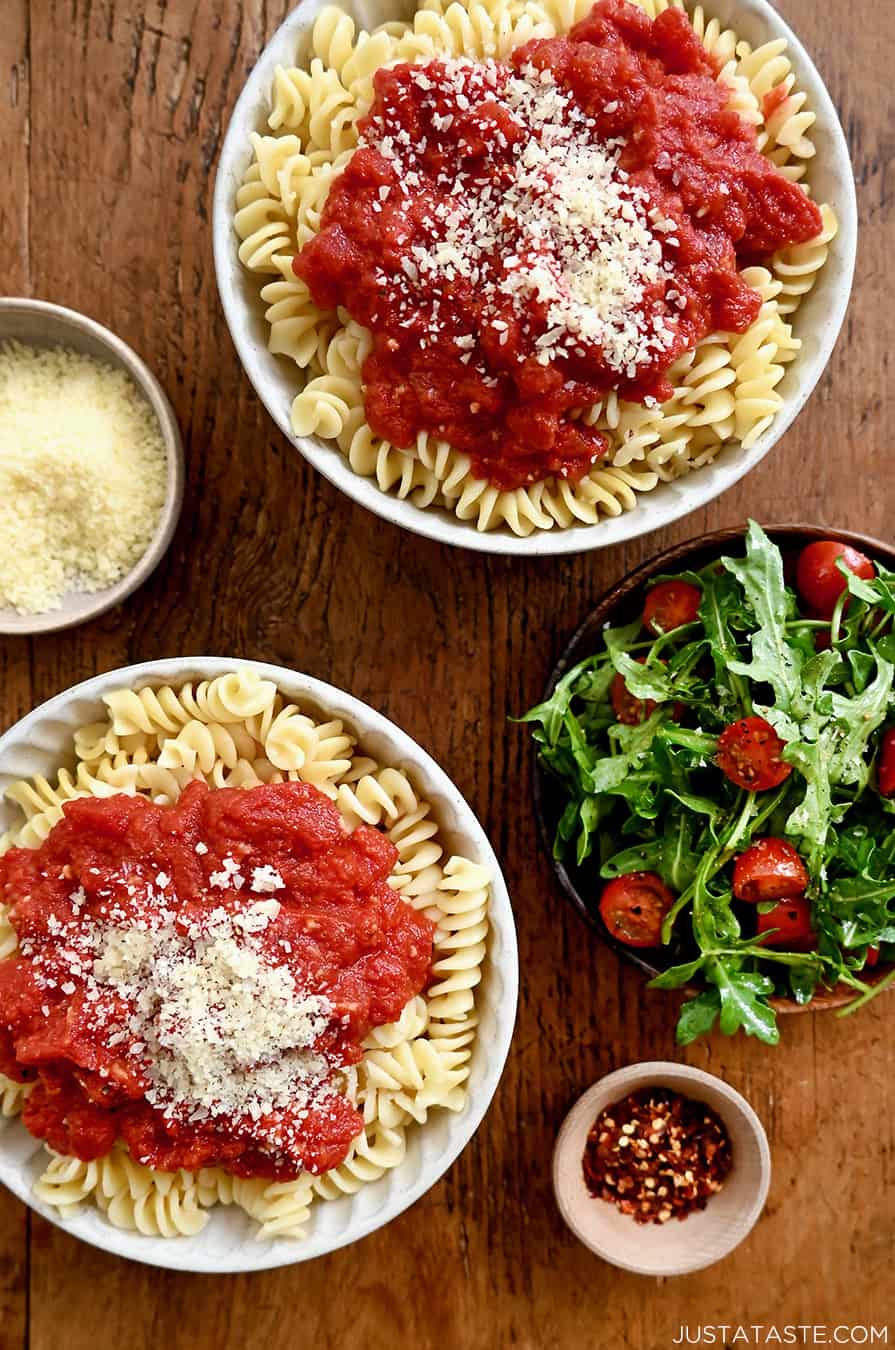
Credit: www.justataste.com
Rolling And Shaping
Rolling and shaping fresh pasta dough takes care and patience. Getting the right thickness and shape is key for good texture and taste.
Use a clean surface and a rolling pin or pasta machine. Roll the dough evenly to avoid thick or thin spots.
Thickness And Texture
Thin pasta cooks faster and feels light in your mouth. Thicker pasta holds sauces better but takes longer to cook.
Roll the dough to about 1 to 2 millimeters thick for most pasta types. You can check thickness with a ruler or pasta machine settings.
Popular Shapes To Try
Different pasta shapes suit different dishes. Try making flat noodles, ribbons, or stuffed shapes.
- Spaghetti – thin, round strands
- Fettuccine – flat, wide ribbons
- Tagliatelle – long, narrow ribbons
- Ravioli – square pockets filled with filling
- Tortellini – ring-shaped stuffed pasta
Cutting Techniques
Cut pasta dough carefully to keep shapes even. Use a sharp knife or a pasta cutter wheel for best results.
| Technique | Description | Use For |
|---|---|---|
| Knife | Cut dough by hand in strips or shapes | Fettuccine, tagliatelle |
| Pasta Cutter Wheel | Roll wheel on dough for clean edges | Ravioli, tortellini edges |
| Pizza Cutter | Quick slicing for simple shapes | Flat noodles, lasagna sheets |
Cooking And Serving
Making homemade pasta is a fun and tasty experience. Cooking and serving it well is key to enjoying its fresh flavor.
This guide shares simple tips to boil pasta perfectly, pair it with sauces, and present it beautifully on your plate.
Boiling Tips
Use plenty of water to give pasta space to cook. Salt the water well to add flavor to the pasta.
Cook pasta until it is just tender but still firm to the bite. Drain quickly and save some pasta water for sauces.
- Use at least 4 quarts of water per pound of pasta
- Add 1-2 tablespoons of salt to the boiling water
- Stir pasta often to prevent sticking
- Test pasta a minute before the package time ends
- Reserve ½ cup of pasta water before draining
Sauce Pairings
Match pasta shapes with sauces that cling well. Thin noodles suit light sauces, while thick noodles hold chunky sauces.
Use some reserved pasta water to loosen thick sauces. This helps sauce stick smoothly to the pasta.
- Spaghetti pairs well with tomato or olive oil sauces
- Fettuccine works best with creamy sauces
- Penne or rigatoni hold chunky vegetable or meat sauces
- Use pasta water to adjust sauce thickness
Plating Ideas
Serve pasta on warm plates to keep it hot longer. Add fresh herbs or cheese for color and taste.
Twirl long pasta with a fork for neat servings. Spoon sauce evenly over the pasta for a nice look.
- Warm plates before serving pasta
- Garnish with basil, parsley, or grated cheese
- Twirl spaghetti or fettuccine for tidy presentation
- Drizzle extra sauce on top for shine and flavor
Troubleshooting Common Issues
Making homemade pasta can be simple, but some problems may happen. Fixing these issues will help you get the best pasta texture and taste.
Read these tips to solve common pasta problems like dough consistency, stickiness, and cooking time.
Dough Consistency Problems
The dough should feel smooth and elastic. If it is too dry, it will crack and break. If it is too wet, it will stick and be hard to shape.
- If the dough cracks, add a little water, one teaspoon at a time.
- If the dough is sticky, sprinkle flour and knead until smooth.
- Rest the dough for 30 minutes covered with a cloth to relax gluten.
- Knead the dough well to reach the right texture.
Sticky Or Dry Pasta Fixes
Sticky pasta can clump and cook unevenly. Dry pasta can feel tough. Fix these issues by adjusting water and flour amounts.
| Problem | Cause | Fix |
| Sticky dough | Too much water or not enough flour | Add flour slowly and knead well |
| Dry dough | Too much flour or not enough water | Add water slowly and knead thoroughly |
| Sticky cooked pasta | Not enough water in boiling pot or no stirring | Use plenty of salted water and stir often |
| Dry cooked pasta | Overcooked or drained too long | Cook less time and serve immediately |
Avoiding Overcooking
Overcooked pasta loses texture and tastes mushy. Watch cooking time closely for best results.
- Boil water in a large pot with enough salt.
- Add pasta and stir gently to separate pieces.
- Cook for 1 to 3 minutes, depending on thickness.
- Check pasta by tasting it; it should be firm but not hard.
- Drain pasta quickly and toss with sauce to keep moisture.
Exploring Flavors And Variations
Making homemade pasta allows you to try many flavors and styles. You can add herbs, spices, or colors to change the taste and look.
Stuffed pastas offer a chance to fill your pasta with tasty ingredients. Let’s explore some ideas to make your pasta special.
Herb And Spice Additions
Add herbs and spices directly to your pasta dough for fresh flavor. You can use dried or fresh herbs for different tastes.
- Basil adds a sweet and peppery flavor.
- Rosemary gives a strong, pine-like taste.
- Oregano offers a warm and slightly bitter note.
- Crushed red pepper flakes bring heat.
- Garlic powder adds a savory depth.
Colored Pasta Options
Use natural ingredients to color your pasta dough. Each color brings a unique flavor and makes the dish more fun.
| Color | Natural Ingredient | Flavor Note |
| Green | Spinach | Fresh and mild |
| Orange | Carrot or pumpkin | Sweet and earthy |
| Red | Beetroot | Earthy and sweet |
| Yellow | Turmeric | Warm and slightly bitter |
| Black | Squid ink | Salty and briny |
Stuffed Pasta Varieties
Stuffed pasta comes in many shapes with different fillings. You can use cheese, vegetables, or meat to make them tasty.
- Ravioli filled with ricotta and spinach
- Tortellini stuffed with pork and cheese
- Agnolotti filled with roasted vegetables
- Mezzelune with mushroom and herbs
- Gnocchi stuffed with cheese blends
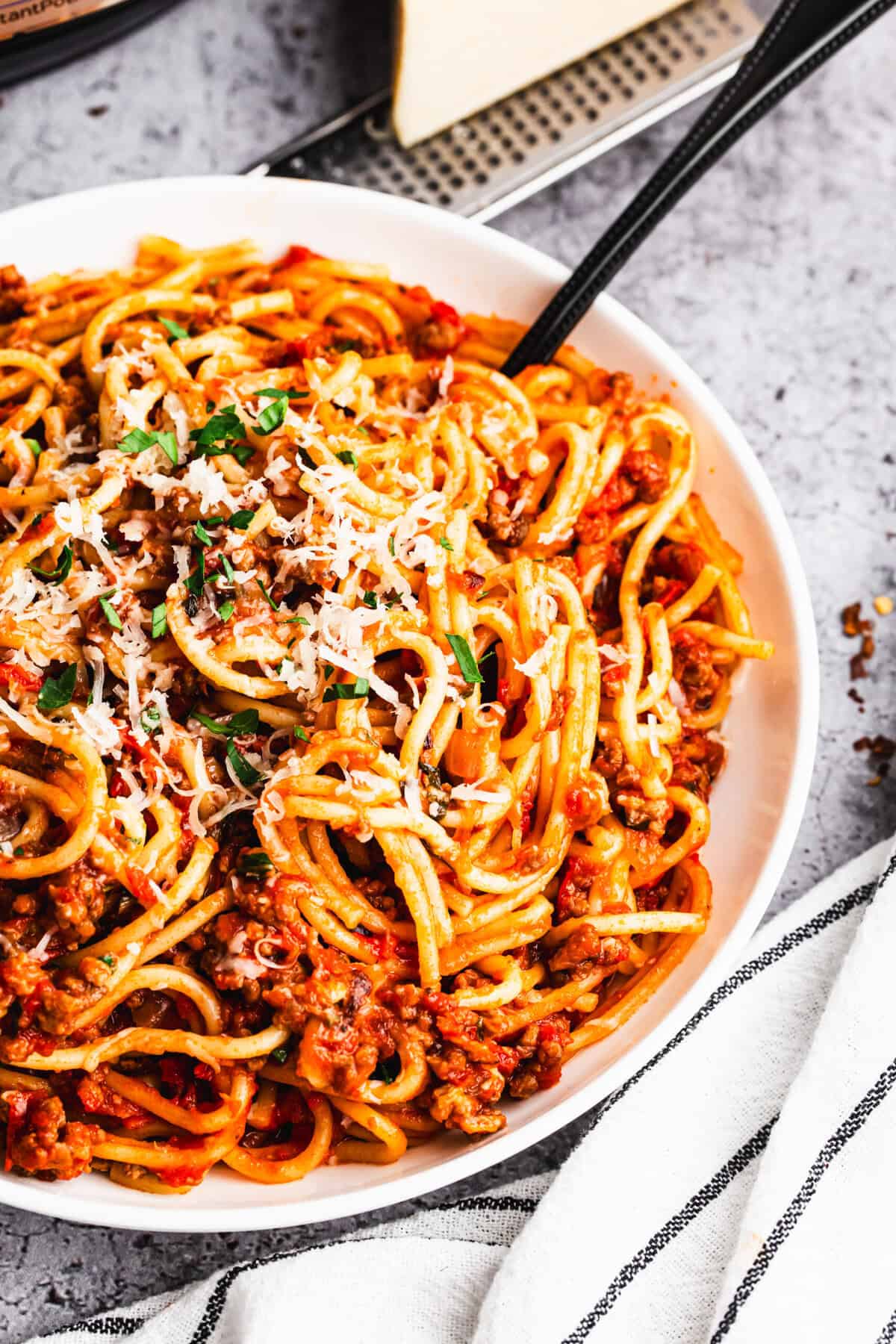
Credit: tastesbetterfromscratch.com
Tips For Storing And Reheating
Making fresh pasta at home is fun and tasty. To keep it fresh, proper storage is key. Using the right reheating methods helps pasta stay delicious.
These tips will help you store and reheat your homemade pasta safely and easily. You can enjoy your pasta later without losing quality.
Freezing Fresh Pasta
Freezing fresh pasta lets you save it for weeks. Make sure the pasta is dry before freezing to avoid clumps. Use airtight bags or containers for best results.
Lay pasta flat on a tray to freeze first. Then transfer it to a bag to keep its shape. Label the bag with the date so you know how long it has been stored.
- Dry pasta slightly before freezing
- Freeze pasta flat on a tray
- Use airtight containers or freezer bags
- Label with the freezing date
Reheating Techniques
Reheat pasta gently to keep its texture. Boiling water or a quick pan toss works well. Avoid overheating to stop pasta from getting mushy.
For frozen pasta, cook it directly from the freezer. Add a little extra cooking time. Stir gently to separate the noodles.
- Boil pasta for 1-2 minutes when reheating
- Toss pasta in a warm pan with sauce
- Do not overcook or pasta will be soft
- Cook frozen pasta without thawing first
Shelf Life Considerations
Fresh pasta lasts a short time in the fridge. Keep it cold and use it within two days. Freezing extends its shelf life to about two months.
Store pasta in an airtight container to stop it from drying out. Check for signs of spoilage before using stored pasta.
- Refrigerate fresh pasta for up to 2 days
- Freeze pasta for up to 2 months
- Use airtight containers for storage
- Throw away pasta with bad smell or color

Credit: food52.com
Frequently Asked Questions
What Ingredients Are Needed For Homemade Pasta?
Homemade pasta requires simple ingredients: flour, eggs, salt, and water. Use all-purpose or semolina flour for best texture. Fresh eggs add richness and color. Salt enhances flavor, while water adjusts dough consistency.
How Do I Knead Pasta Dough Properly?
Knead pasta dough on a floured surface for about 8-10 minutes. Press, fold, and push the dough until smooth and elastic. Proper kneading develops gluten, giving pasta the right texture and chewiness.
What’s The Best Way To Roll Out Pasta Dough?
Use a rolling pin or pasta machine to roll dough evenly. Start thick, then gradually thin to desired thickness. Lightly flour surfaces to prevent sticking. Consistent thickness ensures even cooking and perfect texture.
How Long Should Homemade Pasta Cook?
Fresh homemade pasta cooks quickly, usually 2-4 minutes in boiling water. Watch closely; it’s done when it floats and is tender yet firm. Overcooking makes pasta mushy, so test frequently.
Conclusion
Making homemade pasta is fun and rewarding. Fresh pasta tastes better than store-bought. You only need a few simple ingredients. Practice helps you get better each time. Enjoy creating different shapes and sauces. Share your pasta with family and friends.
Cooking from scratch brings joy to the kitchen. Try it today and taste the difference. Your homemade pasta will impress everyone. Simple steps lead to delicious meals.