
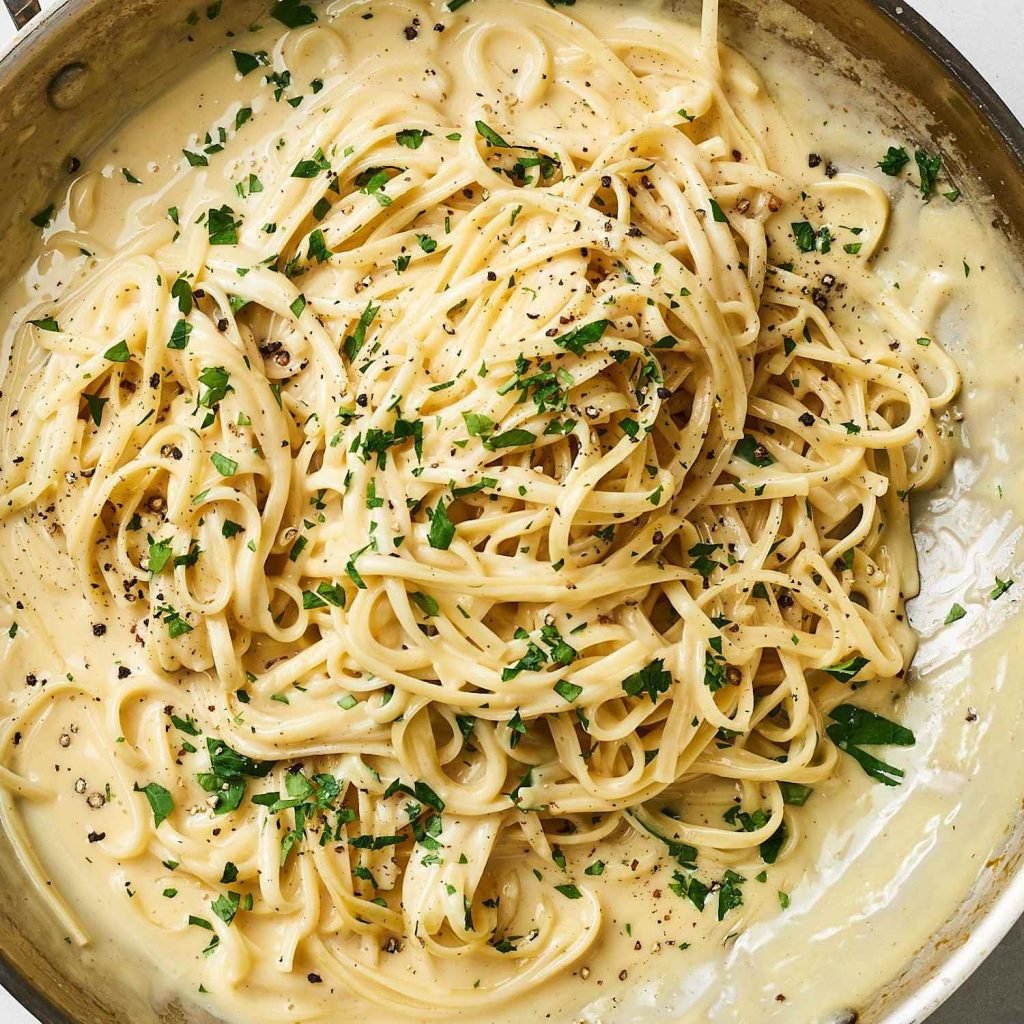
Are you craving a creamy, rich Alfredo pasta that tastes just like it’s from a top Italian restaurant? You’re in the right place.
Making the best Alfredo pasta at home isn’t as hard as you might think. With just a few simple ingredients and easy steps, you can create a dish that will impress your family and friends. Keep reading, and you’ll discover the secrets to a perfectly smooth sauce and tender pasta that will have everyone asking for seconds.
Ready to take your cooking skills to the next level? Let’s dive in!
Ingredients For Alfredo Pasta
Alfredo pasta is a creamy and delicious dish. The right ingredients make it taste great.
Using fresh and simple ingredients helps you create the perfect Alfredo sauce.
Essential Ingredients
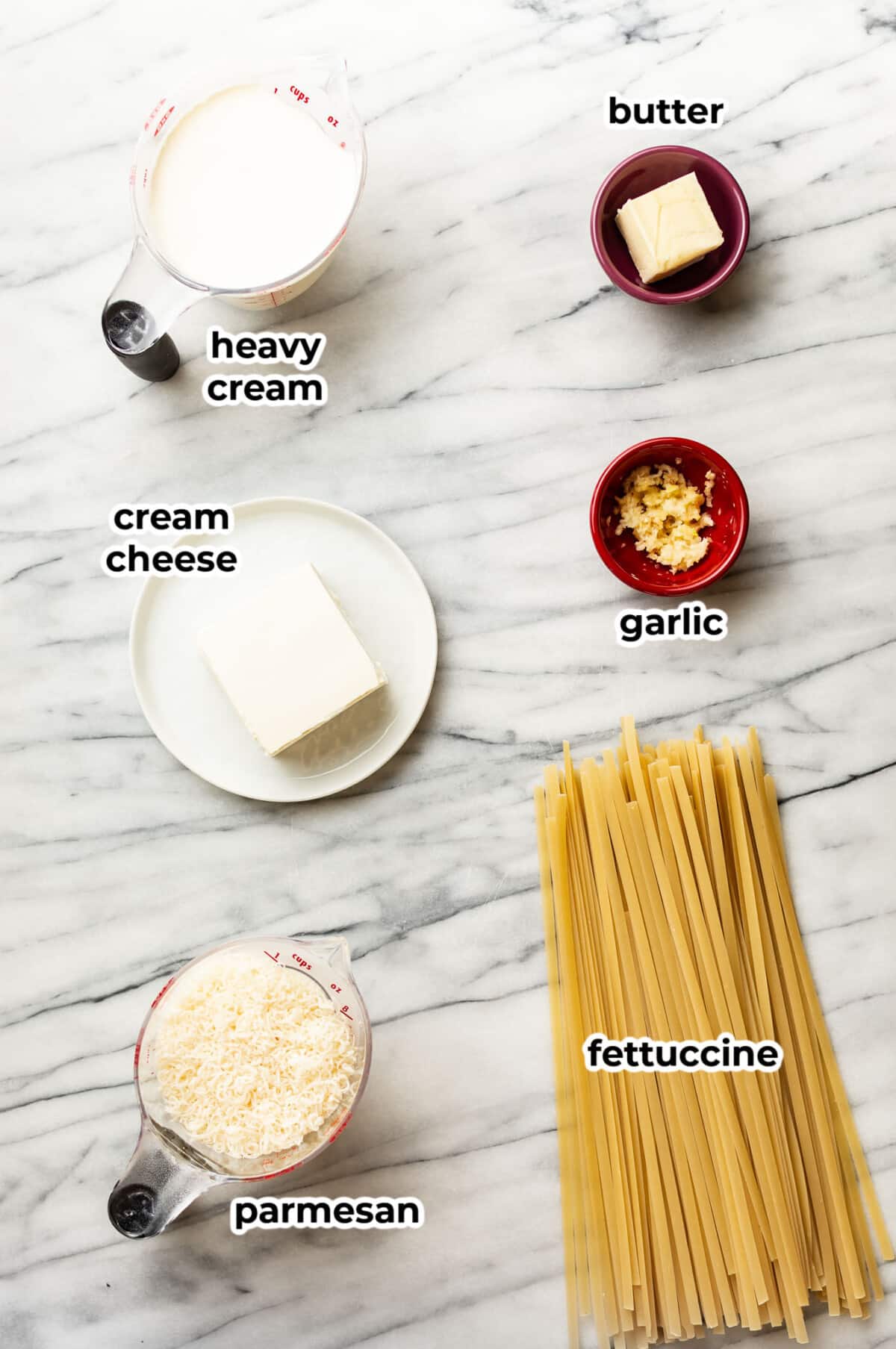
These ingredients form the base of Alfredo pasta. You need them for the classic taste.
- Fettuccine pasta – wide, flat noodles work best
- Butter – gives the sauce a rich, smooth texture
- Heavy cream – adds creaminess and body to the sauce
- Parmesan cheese – freshly grated for the best flavor
- Garlic – minced, to add a mild, savory flavor
- Salt and black pepper – for seasoning
Optional Additions
You can add these to change the flavor or make the dish more filling. They are not required.
- Chicken breast – cooked and sliced for extra protein
- Mushrooms – sautéed, add earthiness
- Parsley – chopped, for a fresh finish
- Nutmeg – a pinch adds warmth to the sauce
- Broccoli – steamed, for a healthy touch
- Red pepper flakes – for a little heat
Choosing The Right Pasta
Picking the right pasta is key for making great Alfredo pasta. The pasta should hold the creamy sauce well.
Some pasta shapes work better with Alfredo sauce than others. Let’s explore the best types and cooking tips.
Types Of Pasta
Fettuccine is the most popular choice for Alfredo. Its flat and wide shape holds the sauce nicely.
Other good options include linguine, tagliatelle, and pappardelle. These have similar shapes that catch the sauce well.
- Fettuccine – wide and flat, classic for Alfredo
- Linguine – thinner than fettuccine but still good
- Tagliatelle – similar to fettuccine, great texture
- Pappardelle – wide ribbons, perfect for creamy sauce
Pasta Cooking Tips
Use plenty of water to cook your pasta. This stops the noodles from sticking together.
Cook pasta just until it is tender but still firm. Overcooked pasta will become mushy with sauce.
- Add salt to the water for better flavor
- Stir pasta while cooking to avoid clumps
- Save some pasta water to thin the sauce if needed
- Drain pasta well but keep it hot before mixing sauce
Preparing The Creamy Sauce
Making Alfredo pasta starts with a smooth, creamy sauce. The sauce is simple but needs care to get right.
Use fresh ingredients and watch the heat to keep the sauce rich and velvety.
Key Components
The sauce uses just a few main ingredients. Each one adds flavor and texture.
- Butter:Adds creaminess and a rich base.
- Heavy cream:Gives the sauce its smooth texture.
- Parmesan cheese:Adds sharp, salty flavor.
- Garlic:Brings a mild, savory taste.
- Salt and pepper:Enhances all the flavors.
Achieving Perfect Consistency
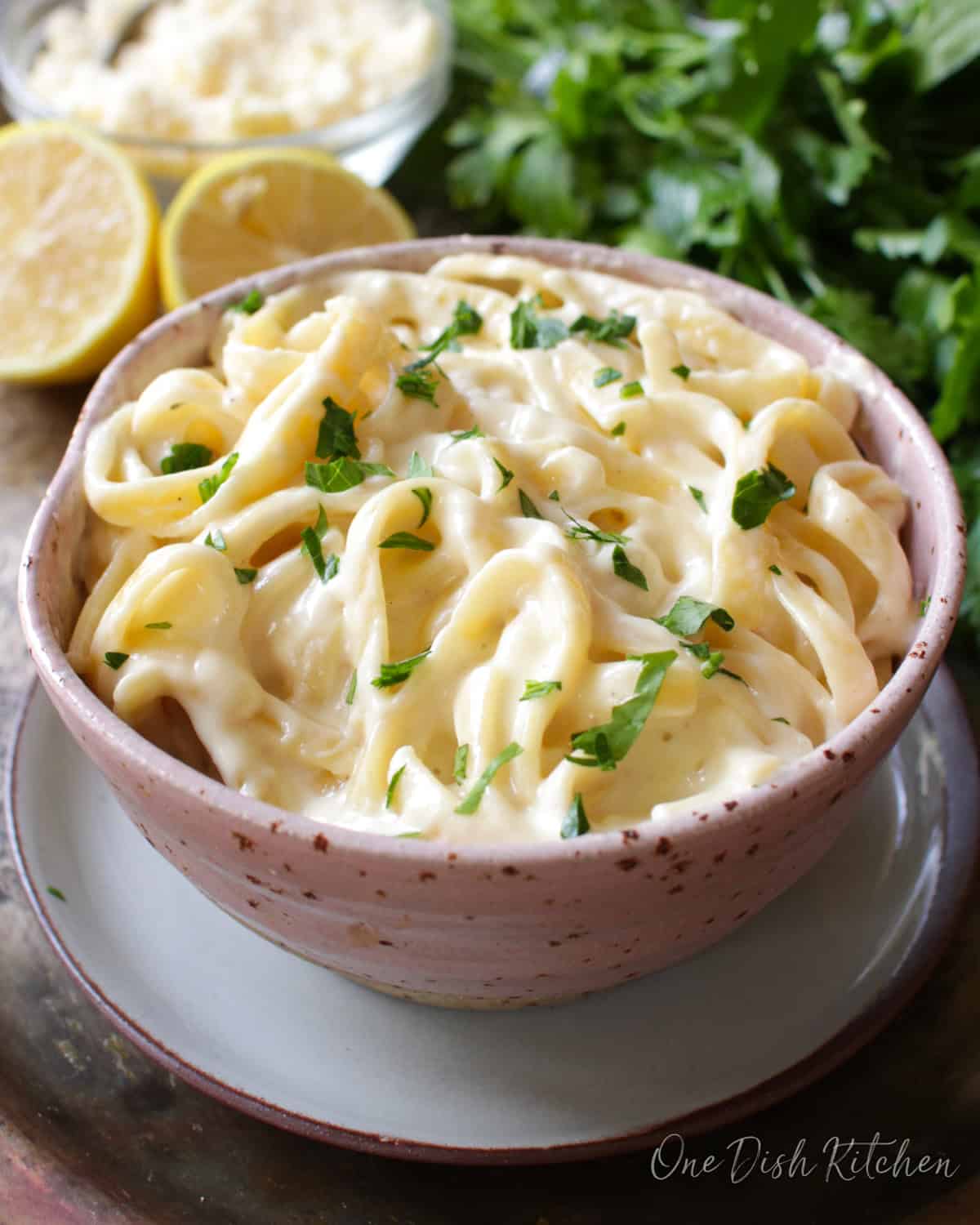
Cook the sauce slowly over low heat. Stir often to stop it from burning or separating.
The sauce should coat the back of a spoon thickly but still pour smoothly.
- Heat butter and garlic until fragrant but not brown.
- Slowly add heavy cream while stirring.
- Simmer gently, do not boil, to avoid curdling.
- Add Parmesan cheese off the heat to melt evenly.
- Adjust thickness by adding more cream or cooking longer.
Credit: onedishkitchen.com
Cooking The Pasta
Cooking pasta perfectly is key to a great Alfredo dish. It needs to be tender but firm.
Use the right techniques to boil pasta and watch the time closely for best results.
Boiling Techniques
Start with plenty of water in a large pot. Salt the water well for flavor before adding pasta.
- Use at least 4 quarts of water per pound of pasta
- Add 1 to 2 tablespoons of salt to the boiling water
- Stir pasta right after adding it to prevent sticking
- Keep the water at a rolling boil while cooking
- Do not add oil to the water; it can prevent sauce from sticking
Timing Considerations
Follow the package instructions for cooking times. Check pasta a minute early.
| Doneness | Description | Time (minutes) |
|---|---|---|
| Al Dente | Firm to bite, slight resistance | 8-10 |
| Soft | Fully cooked, tender | 10-12 |
| Overcooked | Mushy, loses shape | More than 12 |
Combining Pasta And Sauce
Making the best Alfredo pasta needs careful mixing of pasta and sauce. This step helps the sauce stick well to the pasta.
Good mixing makes sure every bite tastes creamy and rich. Let’s look at some tips for mixing and coating.
Mixing Tips
Use a large pan to mix pasta and sauce. This gives enough room to toss the pasta without spilling.
Add pasta slowly into the sauce. Stir gently with a wooden spoon or tongs to avoid breaking the pasta.
- Heat the sauce before adding pasta
- Use pasta water to loosen sauce if thick
- Toss pasta and sauce together quickly
Ensuring Even Coating
Even coating means every pasta piece has sauce on it. Stir often and move pasta around in the sauce.
If sauce is too thick, add small amounts of pasta water. This helps spread sauce evenly without making pasta soggy.
- Keep sauce warm during mixing
- Use gentle, steady stirring
- Add pasta water little by little
- Check for sauce on every pasta strand
Credit: www.saltandlavender.com
Serving Suggestions
Alfredo pasta is rich and creamy. Serving it right enhances the flavors and dining experience.
Try different ideas to add color and texture. Pairing it with the right sides makes a full meal.
Garnishing Ideas
Garnishes add freshness and a pop of color. They make the dish look more inviting and tasty.
- Chopped fresh parsley or basil for a green touch
- Grated Parmesan cheese for extra flavor
- Toasted pine nuts for crunch
- Freshly cracked black pepper for mild heat
- Lemon zest to brighten the creamy sauce
Pairing With Sides
Choose sides that balance the creamy pasta. Light and fresh options work well.
- Steamed or roasted vegetables like broccoli or asparagus
- Simple green salad with a light vinaigrette
- Garlic bread or crusty baguette for dipping
- Grilled chicken or shrimp for added protein
- Fresh fruit salad for a sweet finish
Troubleshooting Common Issues
Making Alfredo pasta can be simple, but some problems might happen. Thick sauce or clumpy pasta can spoil your dish. This guide helps you fix these common issues.
Follow these tips to improve your Alfredo pasta and enjoy a smooth, creamy sauce with perfectly cooked noodles.
Fixing Thick Sauce
If your Alfredo sauce is too thick, you can fix it quickly. Adding liquid slowly helps you get the right texture. Use cream, milk, or pasta water to thin the sauce.
- Add a little warm milk or cream while stirring.
- Use reserved pasta water for a smooth blend.
- Heat the sauce gently to mix the liquid evenly.
- Avoid boiling, which can cause sauce to thicken too much.
- Stir constantly to prevent lumps.
Avoiding Clumpy Pasta
Clumpy pasta happens when noodles stick together or the sauce does not coat well. Use these tips to keep pasta smooth and separate.
| Issue | Cause | Solution |
| Pasta sticks together | Not enough water or stirring | Use plenty of boiling water and stir often |
| Sauce clumps on pasta | Sauce too cold or thick | Warm sauce and add liquid to loosen |
| Pasta cools too fast | Not mixed quickly with sauce | Mix pasta and sauce right after draining |
Variations And Customizations
Alfredo pasta is easy to change and make your own. You can add different ingredients to suit your taste. This guide shows ways to add proteins and vegetables.
These changes make the dish more filling and colorful. You can try many combinations to find your favorite version.
Adding Proteins
Proteins make Alfredo pasta more satisfying. You can use meat, seafood, or plant-based options. Each adds a unique flavor and texture.
- Grilled chicken breast adds a smoky taste.
- Sautéed shrimp gives a fresh seafood flavor.
- Crispy bacon bits bring a salty crunch.
- Tofu cubes offer a vegetarian protein option.
- Italian sausage adds a spicy, rich touch.
Incorporating Vegetables
Vegetables add color and nutrition to Alfredo pasta. You can mix cooked or raw veggies based on your choice. Some vegetables also add a nice crunch.
| Vegetable | Preparation | Flavor Impact |
| Broccoli | Steamed or roasted | Earthy and slightly sweet |
| Spinach | Sautéed or fresh | Mild and slightly bitter |
| Mushrooms | Sautéed | Rich and umami |
| Peas | Boiled or steamed | Sweet and fresh |
| Sun-dried tomatoes | Chopped | Tangy and chewy |

Credit: lmld.org
Frequently Asked Questions
What Ingredients Make The Best Alfredo Pasta Sauce?
The best Alfredo sauce uses heavy cream, butter, Parmesan cheese, garlic, and salt. Freshly grated Parmesan ensures a rich, creamy texture and authentic flavor.
How Long Should Alfredo Pasta Be Cooked?
Cook pasta until al dente, usually 8-10 minutes. Overcooking makes pasta mushy, which affects texture and taste.
Can I Use Other Cheeses In Alfredo Sauce?
Yes, Romano or Asiago cheese can be added for extra flavor. However, Parmesan remains the classic choice for authentic Alfredo.
How To Thicken Alfredo Sauce If Too Runny?
Simmer sauce gently to reduce liquid or add more Parmesan. Avoid high heat to prevent curdling or separation.
Conclusion
Making the best Alfredo pasta is easier than you think. Use fresh ingredients and follow simple steps. Stir the sauce gently to keep it creamy. Serve it hot for the best taste. Enjoy a comforting meal with family or friends.
This classic dish always brings smiles to the table. Try different additions to find your favorite version. Cooking pasta can be fun and relaxing. Give this recipe a try tonight!