

Are you craving beef ribs that melt in your mouth every single time? You’re in the right place.
Making tender beef ribs in the oven might seem tricky, but with the right steps, you can achieve juicy, flavorful ribs without any hassle. Imagine biting into perfectly cooked ribs that are so tender they fall off the bone – all from your own kitchen.
Keep reading, and you’ll discover simple tips and tricks to turn your oven into a rib-cooking powerhouse. Your next delicious meal is just a few easy steps away!
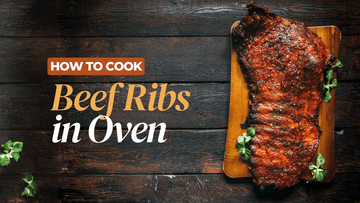
Credit: 3lakesranch.net
Choosing The Right Beef Ribs
Choosing the right beef ribs is key to making tender ribs in the oven. The type and quality of the ribs affect taste and texture.
Knowing different types and how to pick good meat helps you cook ribs that are soft and flavorful.
Types Of Beef Ribs
There are mainly two types of beef ribs: short ribs and back ribs. Each has a different cut and meat content.
- Short ribs:These have more meat and fat. They are cut from the lower part of the rib cage.
- Back ribs:These come from the upper part near the spine. They have less meat but are tender.
- Plate ribs:These are larger and have more fat. They work well for slow cooking.
Selecting Quality Meat
| Factor | What to Look For |
| Color | Bright red with white fat is best |
| Marbling | Fine white streaks of fat inside the meat |
| Texture | Firm and moist, not dry or slimy |
| Smell | Fresh and mild, no sour or strong odor |
Good quality beef ribs have a red color with even fat spread. This helps keep the meat juicy and tender during cooking.
Preparing The Ribs
Preparing beef ribs well helps make them tender and tasty. You need to clean and trim the ribs before cooking.
Removing extra parts and the membrane will help the ribs cook evenly. This also makes them easier to eat.
Trimming And Cleaning
Start by trimming off any large pieces of fat or loose meat. Too much fat can cause flare-ups or uneven cooking.
Use a sharp knife to cut away excess fat and small bones. Clean the ribs under cold water and pat dry with paper towels.
- Trim large fat deposits carefully
- Remove any loose or tough meat pieces
- Rinse ribs with cold water
- Pat ribs dry with paper towels
Removing The Membrane
The membrane is a thin, silver skin on the back of the ribs. It can block flavors and make ribs chewy if left on.
To remove it, slide a knife under the membrane and loosen it. Grab the edge with a paper towel and pull it off.
- Locate the membrane on the bone side
- Use a knife to lift one edge
- Hold the membrane with a paper towel
- Pull it off slowly and completely
Seasoning And Marinating
Seasoning and marinating beef ribs are key to making them tender and full of flavor. A good dry rub adds a tasty crust. Marinating helps the meat stay juicy and soft while cooking.
Use the right spices and give the ribs time to soak in the marinade. This process makes the beef ribs delicious and easy to eat after baking.
Dry Rub Ingredients
A dry rub is a mix of spices that you rub on the ribs before cooking. It adds flavor and helps create a tasty crust on the meat.
- 2 tablespoons brown sugar
- 1 tablespoon paprika
- 1 teaspoon salt
- 1 teaspoon black pepper
- 1 teaspoon garlic powder
- 1 teaspoon onion powder
- 1/2 teaspoon chili powder
- 1/2 teaspoon dried thyme
Mix these spices well. Rub the mixture all over the beef ribs. Let the ribs sit for at least 30 minutes before cooking.
Marinating Tips
Marinating adds moisture and flavor to the ribs. Use a simple marinade with acid, oil, and spices to help tenderize the meat.
- Use ingredients like vinegar, lemon juice, or wine for acidity
- Add olive oil to keep the meat moist
- Include herbs like rosemary or thyme for extra taste
- Marinate the ribs in the refrigerator
- Let them soak for 4 to 12 hours for best results
After marinating, wipe off extra liquid before applying the dry rub. This helps the rub stick well and form a good crust when baked.

Credit: 3lakesranch.net
Oven Cooking Techniques
Cooking beef ribs in the oven requires careful control of heat and moisture. Using the right techniques helps make the ribs tender and flavorful.
This guide covers important oven methods to cook beef ribs just right. Learn how temperature, wrapping, and slow cooking affect the result.
Setting The Temperature
Temperature control is key to tender beef ribs. Too high heat dries out the meat. Too low heat takes too long.
Oven temperatures between 275°F and 300°F work best. This range cooks ribs evenly and keeps them juicy.
| Oven Temperature | Effect on Beef Ribs |
| Below 275°F | Very slow cooking, ribs may dry |
| 275°F to 300°F | Ideal balance for tender ribs |
| Above 300°F | Faster cooking, risk of dryness |
Using Foil And Wrapping
Wrapping beef ribs in foil traps steam and moisture. This method keeps the ribs soft and juicy during baking.
- Wrap ribs tightly in heavy-duty foil
- Add a splash of water or broth before sealing
- Seal foil edges to keep steam inside
- Unwrap near the end to brown the surface
Low And Slow Method
Cooking ribs at a low temperature for a long time breaks down tough fibers. This makes ribs tender and easy to pull apart.
- Preheat oven to 275°F
- Place ribs on a baking tray
- Cover ribs with foil to lock moisture
- Bake for 3 to 4 hours, checking occasionally
- Remove foil and bake 15 minutes more to brown
Checking For Tenderness
Knowing when beef ribs are tender is key to great taste. You can check tenderness in simple ways. This guide helps you test ribs before serving.
Use easy methods to see if the meat is soft and ready. This keeps your ribs juicy and delicious every time.
Testing With A Fork
Use a fork to check if the beef ribs are tender. Insert the fork into the meat and twist gently. If the meat pulls apart easily, it is tender.
- Insert the fork into the thickest part of the rib.
- Twist the fork slowly to test the meat’s softness.
- Meat should separate without much force.
- If it feels tough, cook ribs longer and test again.
Internal Temperature Guide
Use a meat thermometer to check the internal temperature. This helps ensure ribs are cooked perfectly and tender.
| Temperature (°F) | Doneness | Texture |
|---|---|---|
| 190-203 | Fully Cooked | Very Tender, Meat Pulls Easily |
| 180-190 | Medium Well | Tender but Slightly Firm |
| 160-180 | Medium | Somewhat Tender, Needs More Cooking |
Finishing Touches
After slow cooking beef ribs in the oven, the final steps add flavor and texture. These finishing touches make your ribs tender and tasty.
Focus on applying sauce and using broiling to create a rich, caramelized crust. These methods enhance the overall eating experience.
Applying Sauce
Brush your favorite barbecue sauce onto the ribs before the last cooking phase. This adds moisture and a sticky glaze.
- Use a basting brush for even coverage
- Apply sauce in thin layers to avoid sogginess
- Let the sauce soak in for 5 to 10 minutes
- Reserve extra sauce for serving on the side
Broiling For Caramelization
Broiling finishes the ribs with a caramelized crust. This step adds a smoky flavor and crispy texture.
| Broiling Tips | Details |
| Oven rack placement | Place ribs 4-6 inches from the broiler |
| Broiling time | Broil for 3-5 minutes per side |
| Watch closely | Prevent burning by checking every minute |
| Use foil-lined pan | Catch drips and simplify cleanup |
Serving Suggestions
Tender beef ribs are a hearty main dish that pairs well with many sides. Choosing the right accompaniments makes the meal balanced and tasty.
Presentation also matters to make your beef ribs look as good as they taste. Simple tips can enhance the dining experience.
Side Dishes To Pair
Here are some classic side dishes that go well with beef ribs. These options add flavor and texture to your meal.
- Creamy mashed potatoes
- Roasted vegetables like carrots and Brussels sprouts
- Coleslaw with a tangy dressing
- Buttery corn on the cob
- Fresh green salad with vinaigrette
Presentation Tips
Good plating makes your beef ribs look inviting. Use these easy tips to serve your meal beautifully.
| Tip | Details |
| Use a large plate | Gives space to arrange ribs and sides neatly |
| Garnish with fresh herbs | Adds color and a fresh aroma |
| Serve with dipping sauce | Place sauce in small bowls beside ribs |
| Cut ribs before serving | Makes it easier to eat and share |
| Wipe plate edges | Keeps presentation clean and polished |
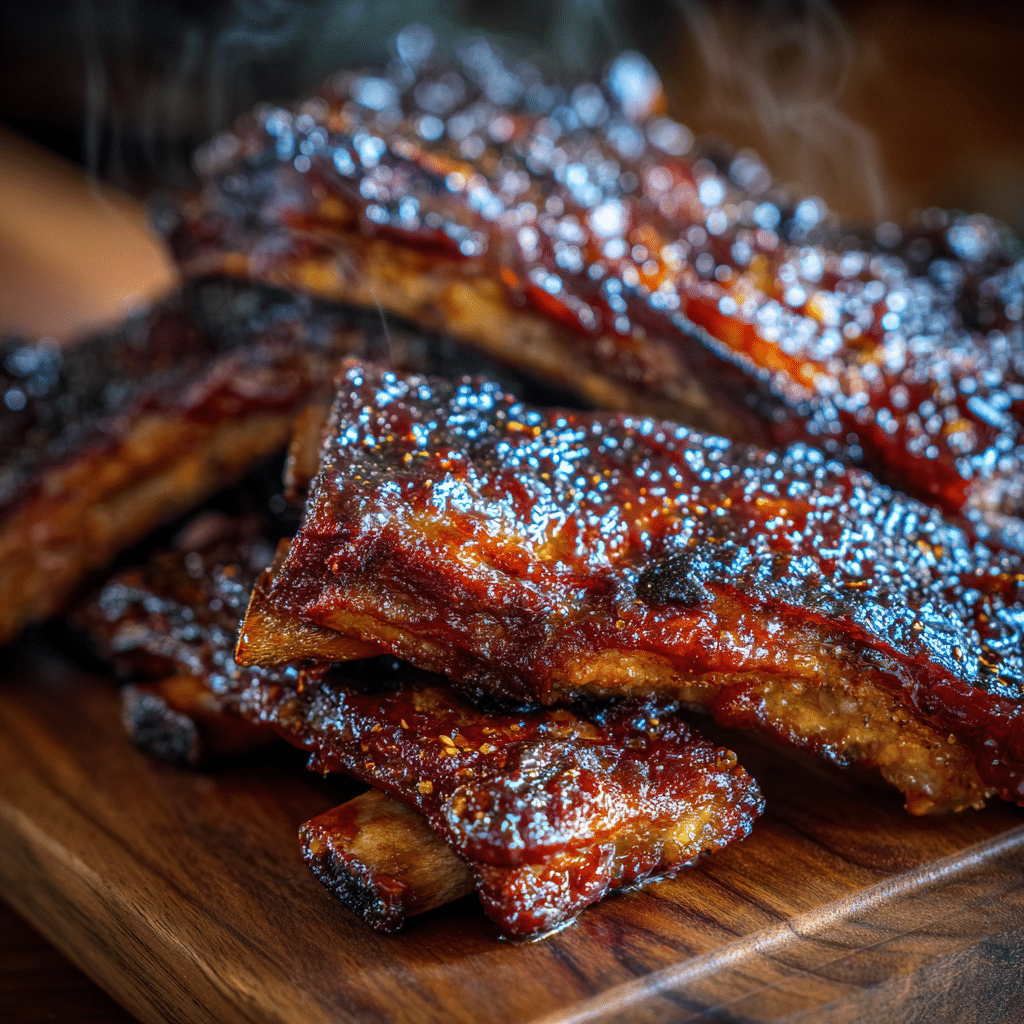
Credit: www.cooking-inspired.com
Troubleshooting Common Issues
Making tender beef ribs in the oven can sometimes be tricky. You might face problems like dry ribs or tough meat.
Knowing how to fix these issues helps you get juicy and soft ribs every time you cook.
Dry Ribs Solutions
Dry ribs happen when the meat loses too much moisture during cooking. This can make your ribs less tasty and hard to eat.
To fix dry ribs, try these tips:
- Cover ribs with foil to keep moisture in.
- Cook ribs at a lower temperature for longer time.
- Use a marinade or rub with oil to add moisture.
- Baste ribs with sauce or broth during cooking.
- Rest ribs after cooking to let juices spread.
Undercooked Or Tough Meat Fixes
Undercooked ribs are not soft and can be hard to chew. Tough meat means the ribs were cooked too fast or not long enough.
Try these fixes to get tender ribs:
- Cook ribs slowly at low heat to break down tough fibers.
- Use a meat thermometer to check if ribs reach safe temperature (around 190°F to 205°F).
- Wrap ribs in foil and add a little liquid to steam them soft.
- Let ribs rest after cooking for better texture.
- If ribs are still tough, cook them longer in the oven or a slow cooker.
Frequently Asked Questions
How Long Should Beef Ribs Cook In The Oven?
Beef ribs typically cook for 2. 5 to 3 hours at 300°F. This slow cooking makes them tender and flavorful. Always check for tenderness before serving.
What Temperature Makes Beef Ribs Tender In The Oven?
Cooking beef ribs at 275°F to 300°F ensures tenderness. This low and slow method breaks down connective tissues. It results in juicy, tender ribs.
Should Beef Ribs Be Covered While Baking?
Yes, covering beef ribs with foil keeps moisture in. It prevents drying out during the long cooking process. Uncover in the last 15 minutes for a crust.
Can I Marinate Beef Ribs Before Oven Cooking?
Marinating beef ribs enhances flavor and tenderness. Use a marinade with acid, like vinegar or citrus, for at least 2 hours. This step is optional but recommended.
Conclusion
Tender beef ribs come from slow cooking and good seasoning. Keep the oven temperature low and cook ribs for hours. Check the ribs often to keep them juicy and soft. Use a simple spice mix to add flavor without too much work.
Serve ribs with your favorite sides for a great meal. Enjoy the taste of homemade, tender ribs right from your oven. Cooking ribs this way is easy and satisfying every time. Try it today and taste the difference.