
Are you tired of weak, watery espresso that leaves you craving more? You’re not alone.
Making a strong espresso isn’t just about using more coffee—it’s about mastering a few key steps that unlock bold flavor and rich aroma. Imagine starting your day with a powerful shot that wakes up your senses and fuels your energy.
In this guide, you’ll discover simple tips and tricks that anyone can follow to brew the perfect strong espresso right at home. Ready to transform your coffee routine? Let’s dive in.
Choosing The Right Beans
Arabicabeans are smooth but less bold. Robustabeans have more caffeine and a stronger taste. A mix of both creates a bold espresso.
Dark roast beans bring out a rich and strong flavor. Medium roasts keep some of the bean’s original taste but are less bold. Light roasts are mild and not good for strong espresso.
Use beans roasted recently for the best taste. Old beans lose flavor and strength. Store beans in a cool, dry place in an airtight container to keep them fresh.
Credit: www.acouplecooks.com
Grinding For Perfection
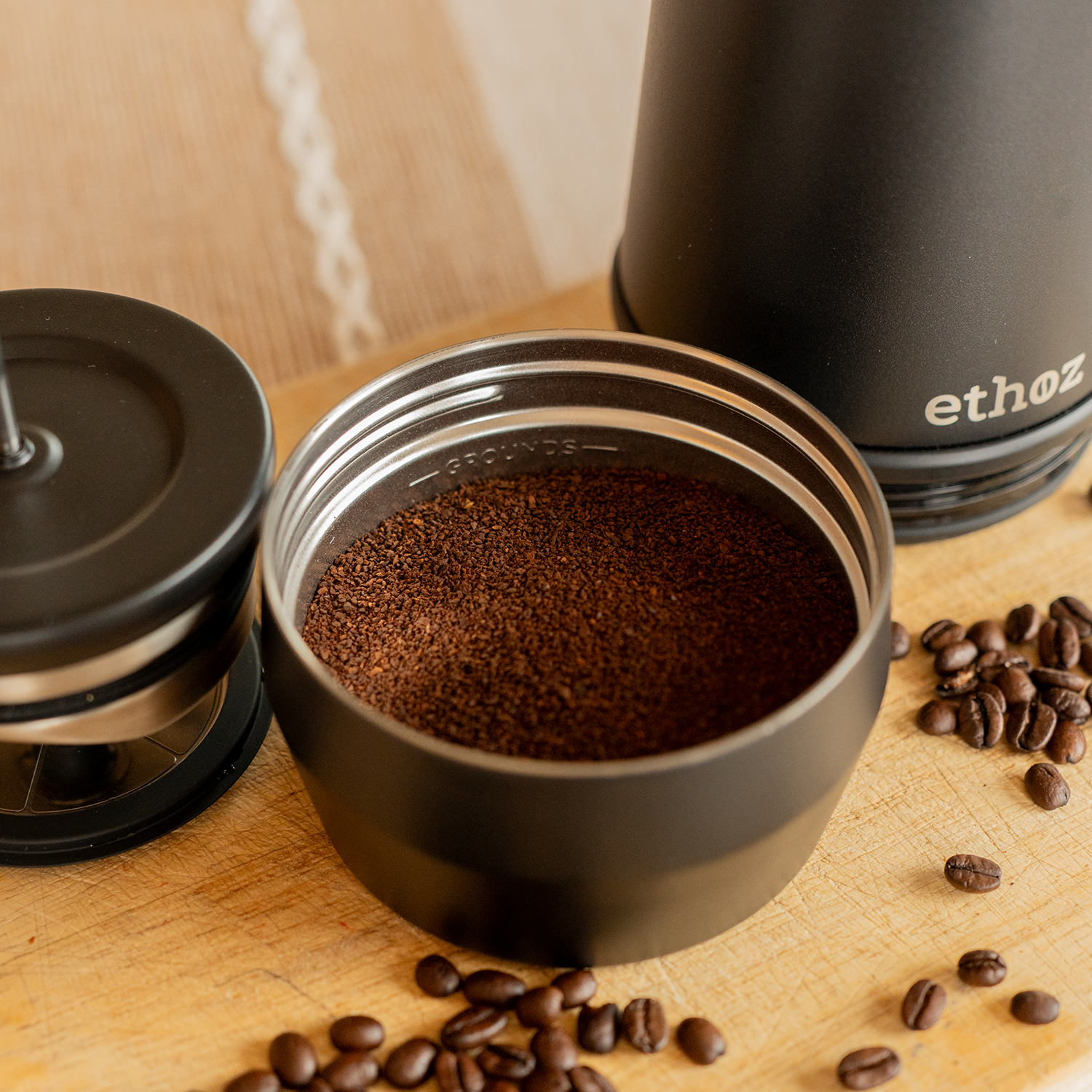
Grind sizecontrols how fast water passes through coffee. Finer grinds make stronger espressobut risk bitter taste. Coarser grinds cause weak, watery coffee. Finding the right size is key.
Use consistent grindingto avoid uneven extraction. Uneven grounds cause bad flavorsand weak shots. A steady hand and good grinder help keep grind size uniform.
| Grinder Type | Pros | Cons |
|---|---|---|
| Burr Grinder | Consistent grind, easy to adjust | Usually expensive |
| Blade Grinder | Cheap, widely available | Uneven grind, less control |
| Manual Grinder | Portable, quiet | Requires effort, slower |
Mastering The Espresso Machine
Water temperatureis key for strong espresso. The ideal range is 195°F to 205°F. Too hot, and the coffee tastes bitter. Too cold, and it will be weak. Check your machine settings to keep the temperature steady.
Pressure levelsalso affect espresso quality. Aim for 9 barsof pressure. Lower pressure makes weak coffee. Too high pressure can cause over-extraction, creating a bitter taste. Use a pressure gauge if your machine has one.
Keeping the machine clean helps maintain flavor and strength. Clean the group head and portafilter after every use. Descale the machine regularly to remove mineral buildup. Wipe steam wands to prevent milk residue. Regular care keeps espresso tasting fresh and strong.
Credit: planetarydesign.com
Perfecting The Extraction Process
Dose amountsaffect espresso strength. Use 18-20 gramsof coffee for a strong shot. Too little coffee makes weak espresso. Too much can cause bitter taste. Balance is key.
Tampingpresses coffee grounds evenly. Apply firm, even pressure with a tamper. This helps water flow through coffee at the right speed. Uneven tamping causes uneven extraction.
Timingyour shot is crucial. Aim for 25-30 secondsextraction time. Too fast means weak espresso. Too slow can taste burnt or bitter. Use a timer to keep track.
Enhancing Flavor Intensity
Using fresh wateris key to a strong espresso. Water quality affects taste deeply. Always use clean, filtered water for the best results. Avoid stale or heavily chlorinated water.
Adjusting brew ratioscan change espresso strength. More coffee grounds or less water makes the flavor stronger. Try small changes until the taste feels just right.
Experimenting with blendshelps find the perfect strong espresso. Different beans offer unique tastes and strengths. Mixing beans from various regions can create a rich, bold flavor.
Troubleshooting Common Issues
Common problems like weak flavor or bitter taste often stem from grind size or water temperature. Adjusting these factors helps create a stronger, balanced espresso. Regular cleaning of your machine also improves taste and prevents issues.
Avoiding Sour Or Bitter Notes
Sour taste often means the water is too cold. Ensure the water is hot. Bitter notes can mean over-extraction. Check your grind size. Use fresh coffee beans. Ensure they are not stale. Keep your equipment clean. Dirty machines affect taste.Fixing Weak Espresso
Weak espresso may mean a coarse grind. Adjust to a finer grind. Check the tamping pressure. Press firmly, but not too hard. Use the right amount of coffee. Too little can weaken taste. Ensure your machine’s pressure is correct. Optimal pressure is key.Dealing With Channeling
Channeling happens if water flows unevenly. Check your distribution. Tap the portafilter to level grounds. Even grounds help water flow. Use a consistent tamping technique. This prevents uneven channels. Regularly clean the portafilter. Residue can cause channeling. `Advanced Tips For Bold Espresso
Pre-infusion wets the coffee grounds before brewing. This helps in better extraction. A short pre-infusion time, about 5 seconds, is ideal. Use a consistent pressure for uniform flavor. Pre-infusion can enhance the richness of your espresso. Try experimenting with different times and pressures.
Pressure profiling changes the pressure during brewing. This technique affects the taste and aroma. Lower pressure at the start can bring out sweet flavors. Gradually increase to full pressure for boldness. Experiment with pressure settings to find your perfect taste. Every coffee blend reacts differently to pressure changes.
Cold brew espresso offers a unique taste. It is less bitter and more smooth. Use coarse grounds for best results. Steep in cold water for 12 to 24 hours. Filter and serve over ice for a refreshing drink. Add milk or sweeteners if desired. Cold brew can be a refreshing twist on classic espresso.
Credit: www.delonghi.com
Frequently Asked Questions
What Beans Are Best For Strong Espresso?
Use dark roast Arabica beans for strong espresso. They provide rich, bold flavor and perfect bitterness. Freshly ground beans enhance strength and aroma.
How Fine Should Espresso Coffee Grounds Be?
Espresso requires very fine grounds, almost like powder. This allows optimal extraction and a strong, concentrated shot. Proper grind size prevents bitterness or weak taste.
How Much Coffee Is Needed For A Strong Espresso?
Use 18-20 grams of coffee for a double shot. More coffee grounds create a stronger, fuller espresso flavor. Measure accurately for consistency.
What Water Temperature Makes The Strongest Espresso?
Ideal water temperature is 195-205°F (90-96°C). Hot enough to extract flavors fully without burning coffee. Maintain consistent temperature for best results.
Conclusion
Strong espresso starts with fresh, finely ground coffee beans. Use the right amount of coffee and press firmly. Water temperature should be just right—not too hot or cold. Brew time matters; aim for about 25 to 30 seconds. Taste your espresso and adjust as needed.
Small changes make a big difference. Keep practicing to find your perfect cup. Enjoy the rich, bold flavor every time. Simple steps lead to great coffee. Try these tips and feel the difference.