
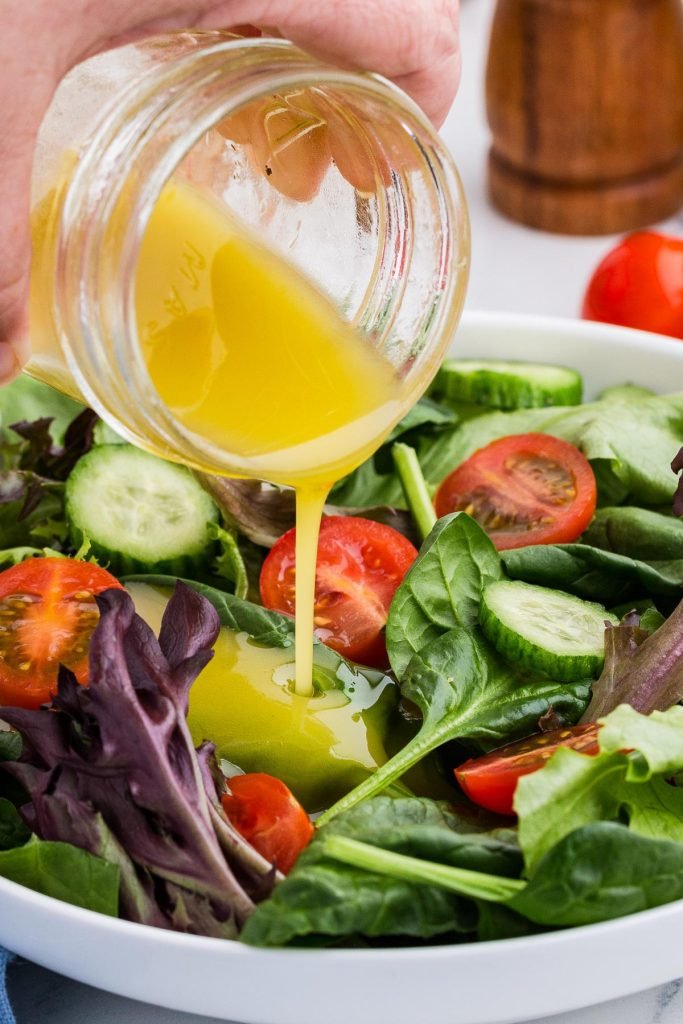
Are you ready to transform your meals from ordinary to extraordinary? Knowing how to make sauces and dressings gives you the power to elevate every dish with flavors that excite your taste buds.
Imagine drizzling a homemade dressing over your salad or adding a rich sauce to your favorite pasta—simple steps that make a big difference. In this guide, you’ll discover easy recipes and tips that anyone can follow, turning your kitchen into a flavor hotspot.
Keep reading, and you’ll never look at store-bought sauces the same way again.
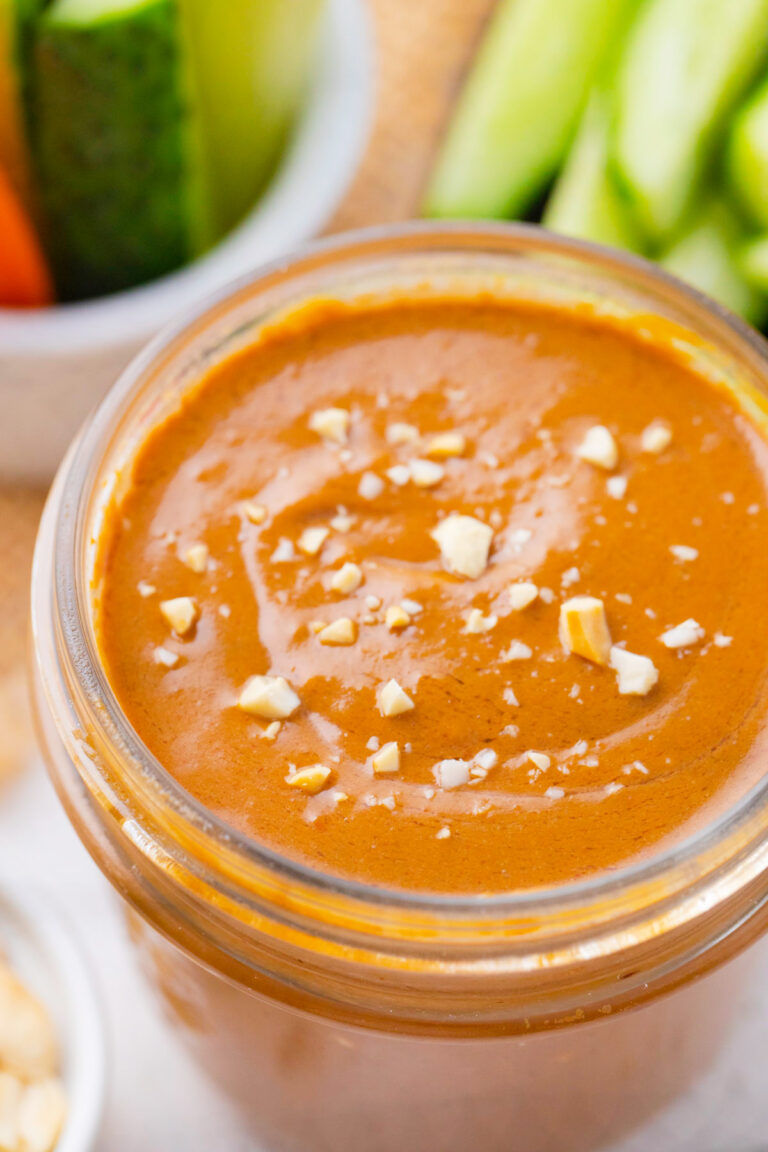
Credit: sweetandsavorymeals.com
Basic Sauce Techniques
Emulsifyingmeans mixing two liquids that usually do not mix, like oil and water. A simple way is to whisk oil slowly into vinegar or lemon juice. This creates a smooth, creamy sauce called an emulsion. Using egg yolks or mustard helps keep the sauce thick and stable.
Thickeningsauces can be done in many ways. Using flour, cornstarch, or arrowroot mixed with cold water is common. Heat the sauce while stirring until it thickens. Another way is reducing the sauce by boiling it gently to evaporate water. This makes the flavor stronger and sauce thicker.
Balancing flavorsmeans mixing salty, sweet, sour, and bitter tastes well. A pinch of salt can bring out the taste. Adding a bit of sugar or honey can cut acidity. Lemon juice or vinegar adds freshness and brightness. Taste often and adjust little by little for the best sauce.
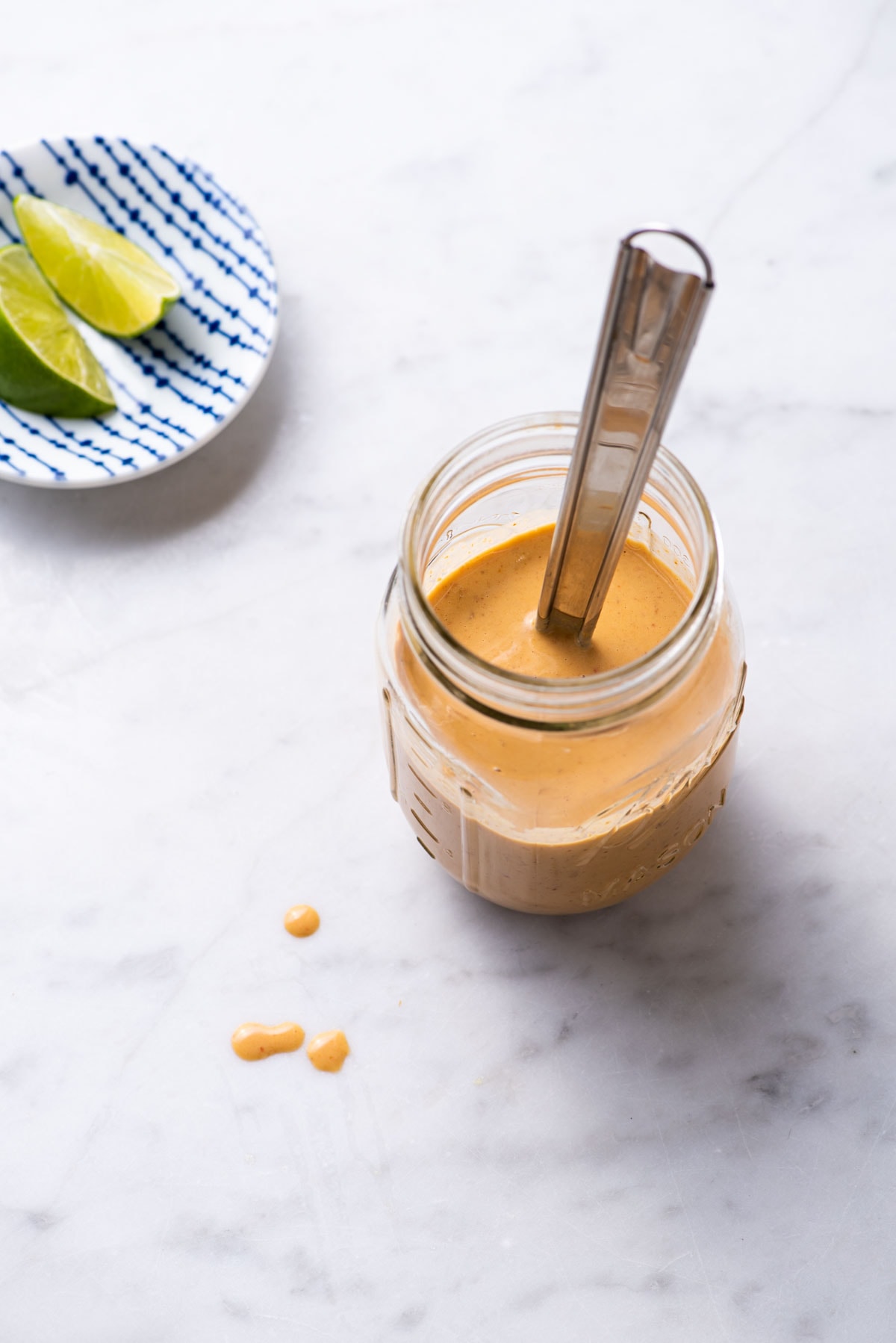
Credit: thenewbaguette.com
Classic Sauces To Master
Classic sauces and dressings bring flavor to any dish. Learning simple recipes makes cooking more fun and tasty. These sauces are easy to prepare and perfect for everyday meals.
Tomato Sauce
Tomato sauce is simple to make. Start with fresh, ripe tomatoes. Chop them into small pieces. Sauté onions and garlic in olive oil. Add the chopped tomatoes. Let them simmer until soft. Season with salt, pepper, and herbs. Basil is a great choice. Blend for a smooth sauce if desired. Use on pasta or pizza.
Béchamel Sauce
Béchamel is a creamy white sauce. Melt butter in a pan. Stir in flour to form a paste. This is called a roux. Slowly add milk while stirring. The sauce will thicken as it heats. Add salt, pepper, and a pinch of nutmeg. This sauce is perfect for lasagna or vegetables.
Hollandaise Sauce
Hollandaise is rich and buttery. Melt butter gently. In a separate bowl, whisk egg yolks and lemon juice. Place the bowl over simmering water. Slowly add the melted butter while whisking. The sauce will become thick and creamy. Serve over eggs or asparagus. It’s a delicious treat.
Quick Dressings For Salads
Vinaigrettesare simple and light dressings made with oil and vinegar. Mix 3 parts oilwith 1 part vinegarfor a classic taste. Add salt, pepper, and a little mustardto help the ingredients blend well. Use olive oil and balsamic vinegar for rich flavor.
Creamy Dressingsuse ingredients like mayonnaise, yogurt, or sour cream. They add a smooth texture and mild taste. Mix in herbs like dillor chivesand a splash of lemon juice. These dressings are great for thick, hearty salads.
Citrus-Based Optionsuse fresh juices like lemon, lime, or orange. They make dressings fresh and tangy. Combine juice with a little olive oil, salt, and pepper. Add honey or a pinch of sugar to balance sourness.
Sauces For Meat And Fish
Pan saucesare made in the same pan used to cook meat or fish. After cooking, pour off excess fat but keep the browned bits. Add liquid like broth, wine, or juice to the pan. Stir and scrape the bottom to mix flavors. Let it simmer until thick. Finish with butter or cream for richness.
Marinadessoak meat or fish before cooking. They add flavor and make food tender. Common ingredients include oil, acid (like lemon juice or vinegar), herbs, and spices. Soak for at least 30 minutes or overnight for stronger taste. Pat dry before cooking to avoid splatter.
Glazesare thick sauces brushed on food during cooking. They add shine and a sweet or tangy flavor. Use ingredients like honey, maple syrup, soy sauce, or mustard. Apply a few times while grilling or baking for a sticky, tasty coating.
Vegetarian And Vegan Sauces
Nut-based saucesoffer creamy texture and rich flavor without dairy. Common nuts include cashews, almonds, and walnuts. Soak nuts in water for a few hours to soften them. Blend with garlic, lemon juice, salt, and water to create a smooth sauce. These sauces work well on pasta, salads, and vegetables.
Herb blendsbring fresh, vibrant taste to sauces and dressings. Mix basil, parsley, cilantro, or dill with olive oil and vinegar. Add salt and pepper to balance flavors. Herb blends can be used as dips, marinades, or toppings for many dishes.
Plant milk creamsare great dairy alternatives. Use coconut, almond, or oat milk for creaminess. Combine with nutritional yeast, lemon juice, and spices for a flavorful dressing. These creams add richness to soups, sauces, and salads without animal products.
:max_bytes(150000):strip_icc()/MS-1131981-russian-dressing-2x3-62525ee6bac4413fbb5c2297379517f0.jpg)
Credit: www.marthastewart.com
Storing And Reheating Tips
Store sauces and dressingsin clean, airtight containers. Use glass jars or plastic containers with tight lids. Keep them in the refrigerator to stay fresh longer. Avoid leaving sauces at room temperature for many hours. Label containers with the date to track freshness.
Heat sauces gently to avoid separation. Use low heat on the stove or microwave in short bursts. Stir often while reheating. Thick sauces may need a splash of water or broth to keep smooth. Avoid boiling, as it can break the sauce’s texture.
| Type of Sauce/Dressing | Storage Time (Refrigerator) |
|---|---|
| Vinaigrettes | Up to 2 weeks |
| Mayonnaise-based | 3 to 5 days |
| Tomato-based | 5 to 7 days |
| Butter or cream sauces | 2 to 3 days |
Customizing Flavors
Spice levels can change the whole taste of sauces and dressings. Start with a small amount of chili or pepper. Taste as you go. Increase spice slowly to avoid overpowering the flavor.
Fresh herbs add a bright, natural flavor. Basil, parsley, and cilantro work well. Chop herbs finely to release their aroma. Add them last to keep their fresh taste.
Sweet and savory balance makes sauces more interesting. Use honey, sugar, or fruit to add sweetness. Vinegar, soy sauce, or mustard add savory notes. Mix small amounts and adjust until flavors blend well.
Frequently Asked Questions
What Are The Basic Ingredients For Homemade Sauces?
Basic sauce ingredients include oil, vinegar, herbs, spices, and emulsifiers like mustard or egg yolk. These form the base for most dressings and sauces, allowing endless variations.
How Do I Make Creamy Dressings Without Dairy?
Use avocado, tahini, or soaked cashews blended with lemon juice and water. These create smooth, creamy dressings without dairy, perfect for vegans and lactose-intolerant individuals.
What’s The Best Way To Thicken Sauces Naturally?
To thicken sauces naturally, use cornstarch slurry, flour, or reduce liquids by simmering. These methods give sauces a perfect texture without adding artificial thickeners.
How Can I Balance Flavors In Sauces And Dressings?
Balance acidity, sweetness, saltiness, and bitterness by tasting frequently. Adjust ingredients like lemon juice, sugar, or salt to achieve a harmonious flavor profile.
Conclusion
Making sauces and dressings at home is simple and fun. You can change flavors to match your taste. Fresh ingredients make a big difference in taste. Try different herbs, spices, and oils to find favorites. Sauces and dressings add life to any meal.
They help make food more exciting and tasty. Start with easy recipes and practice often. Soon, you will enjoy creating your own delicious sauces every day. Keep experimenting and enjoy your meals more than ever.