

Are you tired of spending too much time in the kitchen making sauces and dressings? What if you could create delicious, homemade flavors quickly and easily?
Knowing how to make sauces and dressings efficiently will save you time, reduce stress, and elevate your meals instantly. You’ll discover simple tips and tricks that make the process faster without sacrificing taste. Keep reading, and soon you’ll be whipping up perfect sauces and dressings that impress every time.
Essential Ingredients
Staples for sauces often include basic ingredientslike oil, vinegar, and herbs. These form the base and add flavor.
Common oils used are olive, vegetable, and sesame oil. Vinegars such as balsamic, apple cider, and white wine vinegar offer acidity.
Herbs like basil, thyme, and parsley bring freshness. Salt and pepper help balance taste.
Key components for dressings are similar but also include mustardand sweeteners. Mustard helps to emulsifythe dressing, making it smooth and creamy.
Sweeteners like honey or sugar add a touch of sweetness to balance sour and bitter flavors.
- Oil (olive, vegetable)
- Vinegar (balsamic, apple cider)
- Herbs (basil, thyme)
- Mustard (Dijon or yellow)
- Sweeteners (honey, sugar)
- Salt and pepper
Basic Techniques
Start by gathering fresh ingredients and measuring them carefully. Whisk or blend sauces gently to combine flavors evenly. Keep sauces smooth by controlling heat and stirring frequently.
Blending And Emulsifying
Use a blender to mix ingredients quickly. It makes sauces smooth. Emulsifying combines oil and water. Use mustard or egg yolk to help. They hold the mix together. Pour oil slowly. This helps it blend well. A whisk can also work for small batches.
Balancing Flavors
Combine salty, sweet, sour, and bitter tastes. Add a pinch of salt if too sweet. A bit of sugar can fix too salty. Lemon juice adds sourness. Test the sauce often. Adjust until it tastes right. Use spices for extra flavor.
Adjusting Consistency
For thicker sauce, add flour or cornstarch. Mix with water first. Stir it in the sauce slowly. To thin a sauce, add broth or water. Heat and stir to blend well. Check often. Stop when it’s just right.
Time-saving Tips
Batch preparationsaves time by making large amounts of sauce or dressing at once. Store in the fridge or freezer for quick use later. This way, cooking feels faster and less stressful.
Using store-bought baseslike mayonnaise, yogurt, or tomato sauce helps start your dressing quickly. These bases add creaminess or tang without extra work. Mix them with fresh herbs or spices for flavor.
- Quick flavor boostersinclude lemon juice, vinegar, garlic, and mustard.
- Adding these can lift a simple sauce or dressing instantly.
- Keep some ready in your kitchen for easy mixing.

Credit: tasteflavorco.com
Sauce Recipes To Try
Versatile Tomato Sauceis easy to make and suits many dishes. Use fresh tomatoes, garlic, and herbs. Cook slowly to blend flavors. It works well with pasta, pizza, and meat.
Creamy Alfredoneeds butter, cream, and cheese. Stir gently until smooth. This sauce pairs perfectly with fettuccine or vegetables. Keep it warm but do not boil.
Tangy Barbecuecombines ketchup, vinegar, and spices. Mix well and simmer to thicken. Great for grilled meats or as a dip. Adjust sweetness or heat to taste.
Easy Dressing Recipes
Classic Vinaigretteis simple and fresh. Mix olive oil, vinegar, salt, and pepper. Whisk until combined. Use lemon juice for a tangy twist. Perfect for green salads.
Creamy Ranchblends mayo, sour cream, and buttermilk. Add garlic, onion powder, and dill. Stir well for a smooth texture. Great with veggies or as a dip.
Zesty Citrusbrightens any dish. Combine orange juice, lime juice, honey, and olive oil. Whisk until smooth. Add a pinch of salt and chili flakes for a kick.

Credit: downshiftology.com
Storage And Shelf Life
Use airtight containersto keep sauces fresh longer. Glass jars work best as they do not absorb smells or stains. Plastic containers can be used but choose BPA-free options.
Keep sauces in the coldest partof the fridge, not the door. This helps maintain a stable temperature. Label containers with the date to track freshness.
Most sauces last about 3 to 7 daysin the fridge. Homemade dressings with oil and vinegar may last longer, up to 2 weeks.
| Freezing Tips | Details |
|---|---|
| Use freezer-safe containers | Prevent freezer burn and keep flavors intact. |
| Leave space | Allow room for sauce expansion when frozen. |
| Label and date | Helps track storage time and avoid spoilage. |
| Freeze in small portions | Makes thawing easier and reduces waste. |
Thaw frozen sauces in the fridge overnight. Stir well before use to recombine ingredients.
Common Mistakes To Avoid
Over-thickeningsauces can ruin their texture. Use small amounts of thickener slowly. Stir well and wait before adding more.
Imbalanced flavorshappen when one taste is too strong. Taste sauces often. Adjust salt, sugar, acid, or spices little by little.
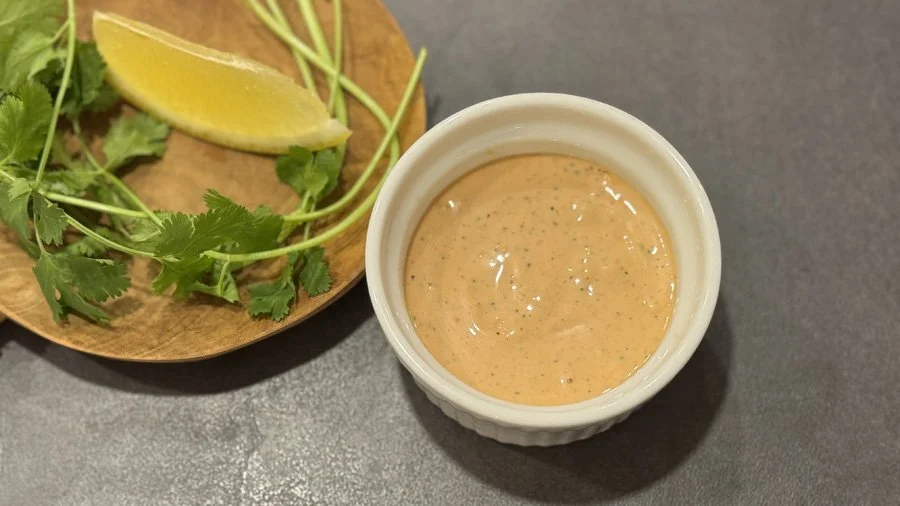
Skipping taste testsleads to surprises at serving time. Always taste your sauce or dressing during cooking. This helps catch mistakes early.
Credit: www.cookingwithanadi.com
Frequently Asked Questions
What Are The Basics Of Making Sauces Efficiently?
Start with quality ingredients and simple techniques. Use proper tools like blenders and whiskers. Prep ingredients beforehand to save time. Follow recipes but adjust flavors to taste. Store sauces properly to maintain freshness and reduce waste.
How Can I Save Time Preparing Dressings?
Make dressings in bulk and store in airtight containers. Use emulsifiers like mustard or honey to blend quickly. Pre-measure ingredients for quick mixing. Keep dressings refrigerated and shake well before use to maintain consistency.
What Are Common Mistakes In Sauce Preparation?
Avoid overheating sauces to prevent curdling or burning. Don’t over-thicken; sauces should coat, not clump. Skip using fresh herbs or spices for flavor. Neglecting to taste and adjust seasoning can ruin the final dish.
Which Tools Improve Sauce And Dressing Making?
Use immersion blenders for smooth textures and quick emulsification. Whisks and spoons help combine ingredients evenly. Measuring spoons ensure accurate seasoning. Storage jars with lids keep sauces fresh longer.
Conclusion
Making sauces and dressings does not need to be hard or take long. Keep ingredients fresh and use simple tools. Measure well and taste often to get the right flavor. Store sauces properly to keep them fresh longer. Practice helps you become faster and more confident.
Enjoy creating your own sauces that fit your meals perfectly. Try different recipes and have fun in the kitchen. Cooking can be easy and enjoyable with small steps. Your meals will taste better with homemade sauces and dressings.