
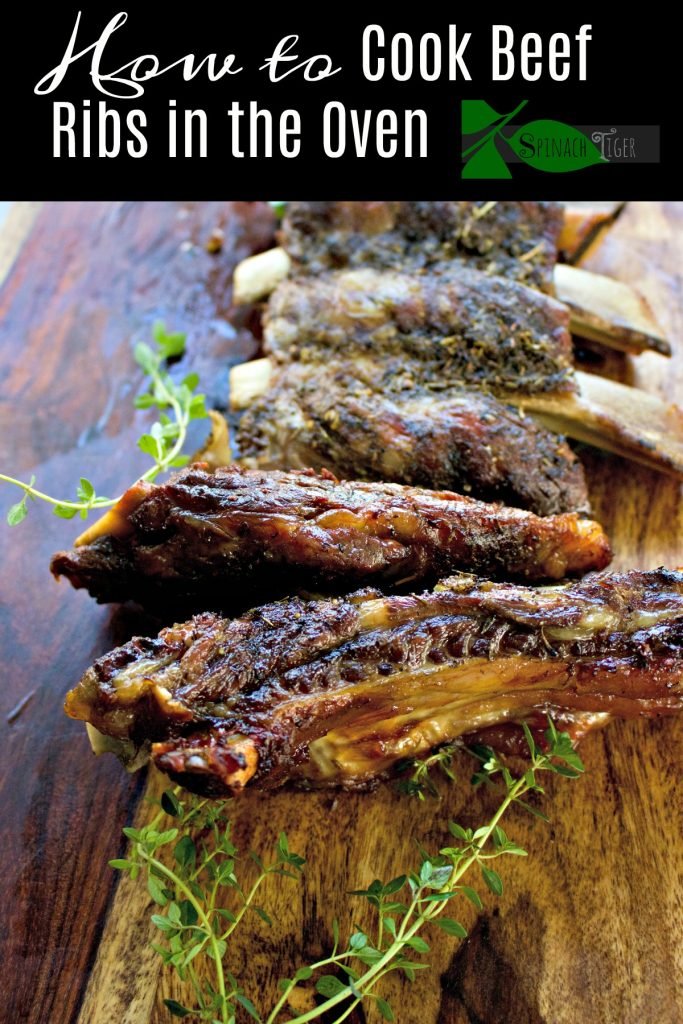
If you love tender, juicy beef ribs but don’t have a grill, don’t worry—you can make mouthwatering ribs right in your oven. Imagine biting into ribs so flavorful and fall-off-the-bone soft, you’ll want to make them again and again.
In this guide, you’ll learn simple steps to transform ordinary beef ribs into a delicious meal that will impress your family and friends. Ready to discover how easy and rewarding oven-cooked beef ribs can be? Keep reading, and let’s get started!

Credit: 3lakesranch.net
Choosing The Right Beef Ribs
Beef ribs are rich and flavorful. Picking the right ribs makes your meal better.
Learn about types of ribs and how to select quality meat for cooking in the oven.
Types Of Beef Ribs
There are different beef ribs. Each type has unique taste and texture.
- Back Ribs:Also called baby back ribs. These come from the upper part of the rib cage near the spine. They are smaller and leaner.
- Short Ribs:Cut from the lower part of the rib cage. They have more fat and connective tissue. This makes them tender and juicy when cooked slowly.
- Plate Ribs:These are larger and meatier. They come from the front part of the rib cage. They need longer cooking time to get tender.
Selecting Quality Meat
Good meat is key for tasty beef ribs. Look for freshness and fat content.
| Quality Factor | What to Look For |
| Color | Bright red or cherry red color |
| Marbling | Even fat spread inside meat for flavor and tenderness |
| Smell | Fresh, no sour or off odor |
| Texture | Firm but not hard or slimy |
| Bone | Clean cut bones, no cracks or broken pieces |

Credit: www.youtube.com
Preparing The Ribs
Preparing beef ribs properly helps them cook evenly and taste better. You need to remove some parts before cooking. This guide covers trimming excess fat and removing the membrane.
Taking time to prepare the ribs right makes a big difference in texture and flavor. Clean ribs let spices and smoke reach the meat well.
Trimming Excess Fat
Beef ribs have a layer of fat on top that can be thick or thin. Removing extra fat helps avoid greasy ribs. Some fat adds flavor, so trim carefully.
- Use a sharp knife to cut away thick fat layers.
- Leave a thin layer for moisture and taste.
- Remove any hard chunks of fat that won’t melt during cooking.
- Trim fat evenly for uniform cooking.
Removing The Membrane
The membrane is a thin, silver skin on the back of ribs. It can block seasoning and become tough when cooked. Removing it makes ribs tender.
Follow these steps to remove the membrane:
- Slide a knife under the membrane at one end of the ribs.
- Lift the membrane gently to create a flap.
- Use a paper towel to grip the membrane firmly.
- Pull the membrane off in one piece. If it tears, repeat from another spot.
Seasoning And Marinades
Seasoning and marinades add flavor and tenderness to beef ribs. They help bring out the natural taste of the meat. Choosing the right blend can make your ribs delicious.
This guide covers dry rub recipes, marinade options, and how to apply them properly.
Dry Rub Recipes
Dry rubs use spices and herbs to create a crust on the ribs. They add bold flavors and a nice texture after cooking.
- Basic Rub: salt, black pepper, garlic powder, paprika
- Spicy Rub: chili powder, cayenne pepper, cumin, brown sugar
- Herbal Rub: rosemary, thyme, oregano, lemon zest
Marinade Options
Marinades soak into the meat to add moisture and flavor. They usually contain an acid, oil, and seasonings.
| Marinade | Main Ingredients | Flavor Profile |
| Classic BBQ | Apple cider vinegar, ketchup, brown sugar, Worcestershire sauce | Sweet and tangy |
| Asian Style | Soy sauce, ginger, garlic, sesame oil, honey | Savory and slightly sweet |
| Herb & Citrus | Lemon juice, olive oil, garlic, fresh herbs | Fresh and zesty |
Applying The Seasoning
Before seasoning, pat the ribs dry with paper towels. This helps the rub or marinade stick better.
- For dry rubs, sprinkle evenly over all sides of the ribs.
- Press the rub gently into the meat to form a layer.
- For marinades, place ribs in a sealed bag or container with the liquid.
- Refrigerate and let the ribs soak for at least 2 hours or overnight.
- Remove ribs from marinade and let excess drip off before cooking.
Oven Cooking Techniques
Cooking beef ribs in the oven needs the right methods to get tender meat. Using proper oven techniques makes ribs juicy and flavorful.
This guide covers key steps to cook beef ribs well. You will learn about temperature, wrapping, and timing.
Setting The Right Temperature
Set your oven to a low temperature. Slow cooking breaks down tough fibers in the ribs. Aim for 275°F to 300°F (135°C to 150°C).
High heat can dry ribs out. Keep the temperature steady for even cooking.
Using Foil And Wrapping Methods
Wrapping ribs in foil helps keep moisture in. This method steams the ribs while they cook.
- Place ribs on a large sheet of aluminum foil.
- Add a small amount of liquid like broth or apple juice.
- Seal the foil tightly to trap steam.
- Unwrap in the last 20 minutes to brown the ribs.
This technique gives soft meat and a tasty crust.
Cooking Time Guidelines
| Oven Temperature | Cooking Time | Notes |
| 275°F (135°C) | 3 to 4 hours | Slow and tender ribs |
| 300°F (150°C) | 2.5 to 3 hours | Faster cooking, still tender |
| 350°F (175°C) | 2 to 2.5 hours | Less tender, faster finish |
Check ribs with a fork. They are done when meat feels soft and pulls away from the bone easily.
Checking For Doneness
Knowing when beef ribs are done is key for great taste and texture. You can check doneness by sight and with a meat thermometer.
Both methods help you avoid undercooking or overcooking the ribs.
Visual Cues
Look at the color and texture of the ribs to guess if they are done. The meat should pull back from the bones slightly.
- The surface is browned and slightly crisp.
- Juices run clear, not pink or red.
- The meat feels tender but still firm.
- Bones may be visible at the ends where meat has shrunk.
Using A Meat Thermometer
A meat thermometer gives a precise temperature for perfect doneness. Insert it into the thickest part of the ribs without touching bone.
| Doneness Level | Internal Temperature |
| Medium Rare | 130°F (54°C) |
| Medium | 140°F (60°C) |
| Medium Well | 150°F (66°C) |
| Well Done | 160°F (71°C) and above |
Check the temperature in several places to be sure the ribs are cooked evenly.
Credit: 3lakesranch.net
Resting And Serving Tips
After cooking beef ribs in the oven, resting the meat is important. Resting helps the juices spread evenly inside the ribs. This makes the ribs more tender and flavorful.
Serving the ribs well can make your meal even better. Simple sides and sauces can bring out the best taste.
Allowing The Meat To Rest
Let the beef ribs rest after cooking by following these tips:
- Remove the ribs from the oven and place them on a plate or cutting board.
- Cover the ribs loosely with aluminum foil to keep them warm.
- Rest the ribs for 10 to 15 minutes before cutting.
- Do not cut the ribs too soon to keep the juices inside.
Serving Suggestions
Try these serving ideas to enjoy your beef ribs:
| Side Dish | Description |
|---|---|
| Mashed Potatoes | Soft and creamy, balances the rich ribs. |
| Grilled Vegetables | Adds a smoky flavor and fresh taste. |
| Coleslaw | Crunchy and tangy, cuts the richness. |
| Barbecue Sauce | Sweet or spicy sauce for extra flavor. |
Troubleshooting Common Issues
Cooking beef ribs in the oven can sometimes lead to problems. Some ribs turn out dry or tough. Others may be undercooked. Knowing how to fix these issues helps you get tender, juicy ribs every time.
This guide covers two common problems. It explains why they happen and how to avoid them. You will also find tips and tricks to improve your cooking.
Dry Or Tough Ribs
Dry or tough ribs usually mean the meat cooked too long or at too high a temperature. The collagen in the ribs needs slow cooking to break down properly. Fast cooking dries the meat out and makes it hard.
- Cook ribs at a low temperature, about 275°F (135°C).
- Use a meat thermometer to check the internal temperature. Aim for 190°F to 203°F for tender ribs.
- Wrap ribs in foil during cooking to keep moisture in.
- Apply a marinade or rub before cooking to add moisture and flavor.
- Let ribs rest after cooking for 10-15 minutes to keep juices inside.
Undercooked Meat
Undercooked ribs have a raw texture and may be unsafe to eat. This happens if the ribs don’t cook long enough or the oven temperature is too low. Proper cooking ensures ribs are safe and tasty.
| Problem | Possible Cause | Fix |
| Ribs are pink or raw inside | Oven temperature too low or cooking time too short | Increase oven temperature to 275°F and cook longer |
| Meat pulls away from bones but feels soft | Ribs not cooked to the right internal temperature | Use a meat thermometer; cook ribs until 190°F–203°F |
| Ribs are cold in the center | Uneven oven heat or thick rack placement | Place ribs in the center of oven; avoid overcrowding |
Frequently Asked Questions
How Long Do Beef Ribs Take To Cook In The Oven?
Beef ribs typically take 2. 5 to 3 hours at 275°F (135°C). Slow cooking ensures tenderness and rich flavor. Always check for internal temperature around 190°F for best results.
What Temperature Is Best For Oven-cooked Beef Ribs?
A low and slow temperature of 275°F (135°C) is ideal. It breaks down collagen, making ribs tender. Higher heat can dry out the meat and reduce flavor.
Should Beef Ribs Be Covered While Baking?
Yes, covering ribs with foil helps retain moisture. It prevents drying and promotes even cooking. Remove foil near the end for a crispy crust.
How Do I Season Beef Ribs Before Oven Cooking?
Use a dry rub with salt, pepper, garlic, and paprika. Let ribs sit with seasoning for at least 30 minutes. This enhances flavor and tenderizes the meat.
Conclusion
Making beef ribs in the oven is simple and rewarding. Follow the steps carefully for tender, juicy meat. Use your favorite spices to add flavor. Cooking slowly at a low temperature helps ribs stay moist. Check ribs often to avoid drying out.
Serve with sides you love for a great meal. Enjoy the taste of homemade ribs anytime. No need for a grill or smoker here. Try this easy method and share with family. Cooking ribs in the oven saves time and effort.
Perfect for beginners and experienced cooks alike.