
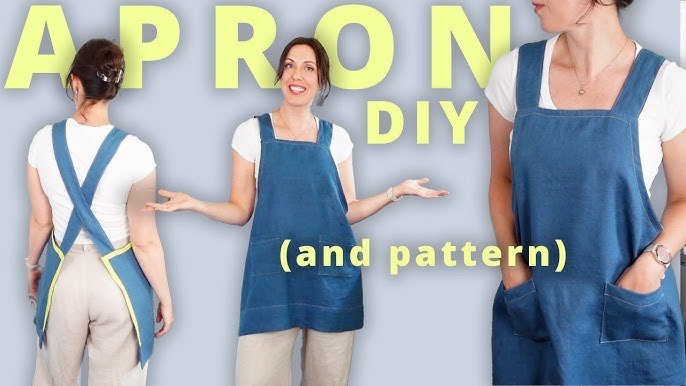
Are you tired of your aprons wearing out too quickly? Whether you’re a passionate home cook or a professional chef, keeping your apron in good shape is essential.
Imagine saving money and time, while always having an apron that looks as good as new. This guide will reveal simple yet effective tricks that can significantly extend the lifespan of your apron. By the end, you’ll have the confidence to keep your apron looking fresh and functional for years.
Stick around, and discover how a few small changes can make a big difference. Your apron—and your wallet—will thank you!
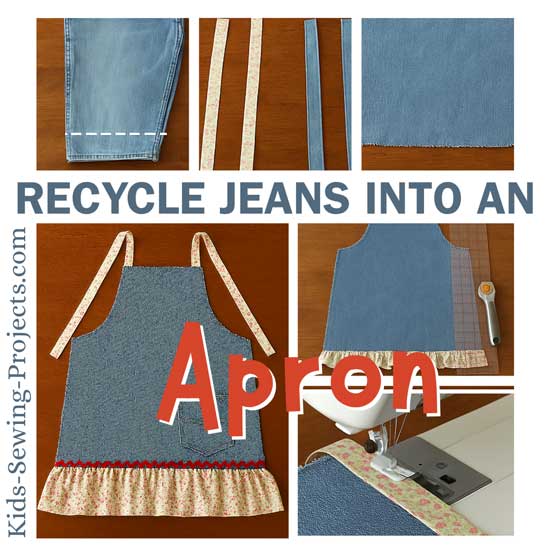
Credit: www.kids-sewing-projects.com
Choosing Durable Materials
Choosing durable fabricshelps aprons last much longer. Cotton canvas and denim are top choices. These materials are thick and resist tearing. Polyester blends also hold up well to frequent washing and stains. Avoid thin fabrics that wear out fast.
Reinforced stitchingadds strength to aprons. Double or triple stitching at stress points stops seams from coming apart. Strong thread types like polyester or nylon last longer than cotton thread. Stitching near pockets, straps, and edges is very important.
| Fabric Type | Durability | Benefits |
|---|---|---|
| Cotton Canvas | High | Thick, strong, easy to clean |
| Denim | High | Long-lasting, resists tearing |
| Polyester Blends | Medium-High | Good stain resistance, durable |
| Linen | Medium | Breathable but less durable |
Proper Washing Techniques
Wash aprons only when they look dirty to save fabric life. Use cold or warm water, never hot, to protect colors and fibers. Mild detergents clean well without harming the apron’s material.
Avoid fabric softeners as they can reduce apron absorbency and cause buildup. Instead, try white vinegar for softness and odor removal. Always air dry aprons to prevent shrinking and damage from heat.
Stain Removal Tips
Treat stains immediatelyto prevent them from setting. Use a clean cloth to blot the stain gently. Avoid rubbing, as it can spread the stain or damage fabric fibers. Cold water works best for most stains, especially protein-based ones like blood or sweat. For oil-based stains, sprinkle baking soda or cornstarch to absorb the grease before washing.
| Type of Remover | Examples | Best For | Notes |
|---|---|---|---|
| Natural | Lemon juice, vinegar, baking soda | Light stains, general cleaning | Gentle on fabric, eco-friendly |
| Chemical | Commercial stain removers, bleach | Heavy stains, tough grease | Use carefully, may weaken fabric |
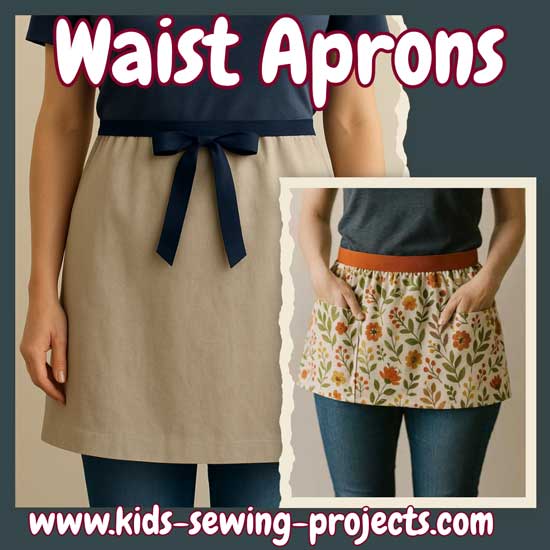
Credit: www.kids-sewing-projects.com
Drying And Storage Advice
Air dryingis gentler on apron fabric. It helps keep colors bright and fabric strong. Avoid direct sunlight to stop fading. Lay aprons flat or hang them to dry fully.
Machine dryingcan shrink aprons and wear out fabric faster. Use a low heat setting if you must machine dry. Remove aprons while slightly damp to reduce wrinkles.
- Store aprons in a cool, dry place to stop mold and mildew.
- Fold aprons neatly to avoid creases and fabric damage.
- Keep aprons away from sharp objects and rough surfaces.
- Use hooks or hangers to keep aprons wrinkle-free and ready to use.
Repair And Maintenance
Loose threads and seams can cause your apron to wear out fast. Use a needle and thread to sew them back tightly. Small stitches keep the fabric strong and stop holes from growing.
Worn straps and ties make the apron hard to use. Replace them with new fabric or strong ribbon. Cut the new straps to the right length and sew them firmly. This keeps the apron secure and comfortable to wear.
- Check seams often for loose threads.
- Sew with matching thread for a neat look.
- Use strong, durable fabric for new straps.
- Double-stitch straps to prevent quick wear.
- Trim any frayed edges carefully.

Credit: www.sewwhatalicia.com
Preventing Common Wear Issues
Avoid placing aprons near hot ovens or stoves. Excessive heat can weaken fabric fibers and cause discoloration. Let aprons dry naturally and away from direct sunlight. Heat from dryers or irons should be used carefully to prevent damage.
Friction and rubbing cause fabric wear and tears over time. Choose aprons made with sturdy materials for heavy use. Avoid dragging aprons against rough surfaces or sharp edges. Store aprons folded or hung to keep fabric smooth.
- Keep aprons away from open flames and hot surfaces.
- Use gentle heat when ironing or drying aprons.
- Choose thick, durable fabrics for frequent use.
- Minimize rubbing against rough or abrasive objects.
- Store aprons flat or hung to prevent creases.
Frequently Asked Questions
How Often Should I Wash My Apron To Maintain Durability?
Wash your apron after every use to prevent stains and odors. Use cold water and gentle detergent to preserve fabric strength. Avoid bleach as it can weaken fibers and fade colors, extending your apron’s life.
What Is The Best Fabric For A Long-lasting Apron?
Cotton and polyester blends are durable and easy to clean. These fabrics resist wrinkles and stains better than pure cotton. Choose aprons with reinforced stitching for extra longevity.
How Can I Store My Apron Properly To Avoid Damage?
Hang your apron on a hook or hanger to prevent wrinkles. Avoid folding it tightly to maintain fabric shape. Store in a dry, cool place to prevent mold and odor buildup.
Can Ironing Improve My Apron’s Lifespan?
Ironing removes wrinkles and keeps the fabric smooth. Use the appropriate heat setting for the fabric type to avoid damage. This helps maintain a neat appearance and prevents fabric wear.
Conclusion
Taking care of your apron helps it stay useful for years. Wash it gently and avoid harsh chemicals. Store it in a dry place away from sunlight. Fix small tears or loose threads quickly. These simple steps keep your apron strong and looking good.
A little effort goes a long way in saving money. Enjoy cooking or crafting with an apron that lasts. Keep these tips in mind to protect your apron well. Your apron will thank you with longer service.