
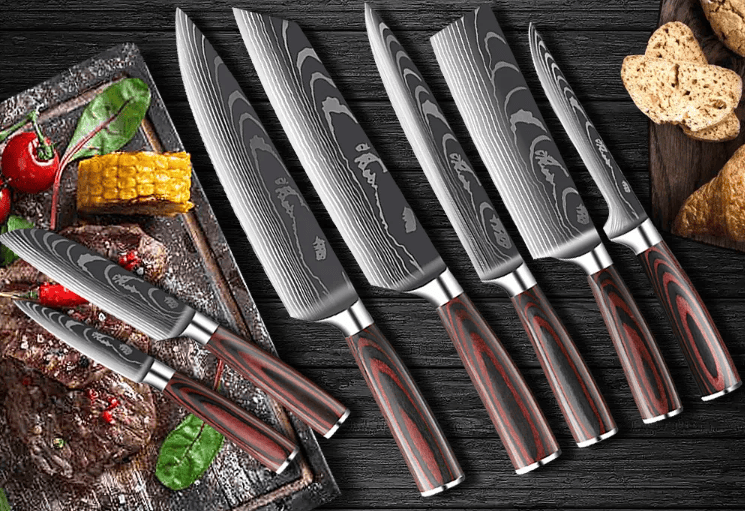
Your stainless steel blades are powerful tools that deserve the best care. If you want them to stay sharp, strong, and rust-free, knowing how to maintain them properly is key.
Imagine slicing through tasks with blades that feel as good as new every time you use them. You’ll discover simple, effective tips to keep your blades in top shape. Ready to unlock the secret to longer-lasting, sharper blades? Let’s dive in and make sure your tools work perfectly whenever you need them.
Choosing The Right Cleaning Tools
Using soft clothsand gentle brushes is best for cleaning stainless steel blades. These tools help remove dirt without scratching the surface. Microfiber cloths are especially good because they trap dust and grime easily.
Avoid abrasive materials like steel wool or rough sponges. These can cause scratchesand damage the blade’s finish. Scratches may lead to rust and dullness over time.
- Choose soft, non-abrasive cloths for wiping blades.
- Use soft-bristled brushes to clean tight spots.
- Never use harsh scrubbing pads or metal brushes.
- Rinse tools with water after use to keep them clean.

Credit: insights.made-in-china.com
Daily Cleaning Routine
Wipe the blade with a soft cloth. Remove all dirt and debris. Use a damp cloth if needed. Be gentle to avoid scratches. Clean both sides of the blade. Make sure to dry it well after cleaning. This helps prevent rust.
Use a mild detergent with warm water. Avoid harsh chemicals on the blade. They can damage the stainless steel. Dip a sponge in soapy water. Wipe the blade softly. Rinse with clean water. Dry it well with a soft towel. This keeps the blade shiny.
Preventing Rust And Corrosion
After washing stainless steel blades, drying them well is essential. Use a clean, soft cloth to wipe off all moisture. Avoid air drying, as water spots can cause rust. Make sure to dry the blade edges and handle carefully. Keeping blades dry stops corrosionfrom forming.
Applying protective coatings helps keep blades safefrom rust. Food-safe oils like mineral oil create a thin barrieron the metal surface. This barrier blocks moisture and air. Use a small amount of oil and rub it evenly on the blade. Avoid thick layers that can attract dust or dirt.

Credit: anjovia.com
Sharpening Stainless Steel Blades
Selecting suitable sharpening toolsis key to keep stainless steel blades sharp. Use whetstoneswith fine and coarse grit for best results. Sharpening rodsor diamond sharpenersalso work well for quick touch-ups. Avoid cheap or dull tools, as they can damage the blade. Choose a tool that feels comfortable and easy to control.
Maintaining the correct angleduring sharpening is very important. Most stainless steel blades sharpen best at a 20-degree angle. Keep this angle steady while moving the blade across the sharpener. Changing the angle can cause uneven edges or dull spots. Use a guide or marker if needed to keep the angle consistent. A steady hand helps create a sharp, smooth edge.
Safe Storage Practices
Blade guards protect the sharp edgesfrom damage and accidents. They keep blades safe during storage and transport. Using guards prevents rust and dullingcaused by contact with other objects.
Storing blades in dry placesavoids moisture buildup. Humid environments can cause rust and corrosionon stainless steel. Keep blades away from bathrooms or damp basements.
- Use blade guards to cover sharp edges.
- Store blades in dry, well-ventilated areas.
- Avoid placing blades near water or humidity.
- Check storage areas regularly for moisture.

Credit: insights.made-in-china.com
Handling Common Issues
Removing stains and discolorationfrom stainless steel blades is simple. Use a soft cloth with a mild detergent. Rub gently to avoid scratches. For tough stains, try a paste made from baking soda and water. Apply it to the blade, wait a few minutes, then wipe off. Avoid harsh chemicals that can damage the surface.
Dealing with minor chipsrequires careful attention. Small chips can be smoothed with a fine-grit sharpening stone. Move the blade gently along the stone at a steady angle. This helps restore the edge without removing too much metal. Always clean the blade after sharpening to remove debris.
Frequently Asked Questions
How Often Should I Clean Stainless Steel Blades?
Clean stainless steel blades after every use to prevent rust and stains. Use warm water, mild soap, and a soft cloth for best results. Avoid harsh chemicals that damage the blade’s surface. Regular cleaning maintains sharpness and extends blade life.
What Is The Best Oil For Stainless Steel Blades?
Use food-grade mineral oil or specialized blade oil to lubricate stainless steel blades. These oils prevent rust and reduce friction. Apply a thin layer after cleaning and drying the blade. Avoid vegetable oils as they can become sticky and rancid.
How Do I Sharpen Stainless Steel Blades Safely?
Use a sharpening stone or a professional sharpener designed for stainless steel. Maintain the correct angle, usually between 15-20 degrees, while sharpening. Sharpen gently to avoid damaging the blade. Regular sharpening keeps the blade efficient and durable.
Can I Use Stainless Steel Blades In The Dishwasher?
It’s best to avoid dishwashers for stainless steel blades. High heat and harsh detergents can dull and damage blades. Hand wash with warm water and mild soap instead. Dry immediately to prevent water spots and corrosion.
Conclusion
Keeping stainless steel blades sharp and clean extends their life. Use gentle cleaning tools and avoid harsh chemicals. Dry blades fully after washing to stop rust. Regularly oil blades to keep them smooth and shiny. Store blades safely to prevent damage and accidents.
Small steps make a big difference over time. Care for your blades, and they will serve you well. Simple habits protect your tools and save money. A little attention today means sharper blades tomorrow.