

You’ve invested in a slicer to make your kitchen tasks easier and faster. But are you taking the right steps to keep your slicer accessories in top shape?
Proper maintenance not only extends the life of your tools but also ensures every slice is clean and precise. In this guide, you’ll discover simple, effective tips to care for your slicer accessories, avoid common mistakes, and save time and money in the long run.
Keep reading to unlock the secrets to a smoother, safer slicing experience every time.
Choosing Quality Slicer Accessories
Choosing slicer accessories made from durable materials ensures longer life and better performance. Regular cleaning and proper storage keep blades sharp and safe to use. Maintaining accessories carefully prevents damage and improves slicing quality.
Material Types And Durability
Choose slicer accessories made from stainless steelor high-grade plastic. Stainless steel parts last longer and resist rust. Plastic parts should be strong and BPA-free. Avoid cheap materials that break easily. Durable accessories reduce replacement costs and keep your slicer safe.
Compatibility With Your Slicer Model
Check the slicer model number before buying parts. Not all accessories fit every slicer. Use parts made for your slicer brand and model. This ensures proper fitand safe use. Wrong parts can cause damage or accidents.
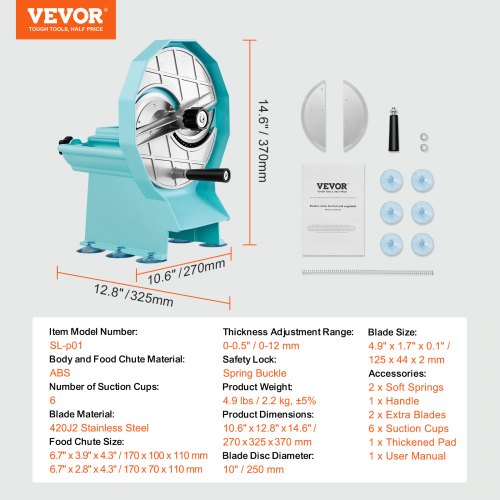
Credit: www.vevor.com
Daily Cleaning Routine
Begin by unplugging the slicer. Make sure it’s off and safe. Carefully remove each piece. Handle sharp parts with extra care. Keep your fingers away from blades. Place parts on a clean surface. Avoid dropping any pieces.
Use warm soapy water for washing. A soft brush helps clean corners. Gently scrub each piece. Rinse with clear water. Ensure no soap is left behind. Dry with a clean towel. Clean blades with caution. Wipe in the blade’s direction.
Let parts air dry before storing. Use a rack for better drying. Ensure no water remains. Store parts in a dry place. Keep blades in a safe container. Avoid stacking heavy items on top. This keeps them in good shape.
Sharpening And Blade Care
Sharpen bladeswhen slicing becomes slow or uneven. Dull blades can tear food and cause accidents. Test sharpness by slicing a tomato; it should cut smoothly.
Use proper toolslike a whetstone, sharpening rod, or electric sharpener. Keep tools clean and follow instructions carefully. Avoid using rough or wrong tools that can damage the blade.
- Do not cut hard bones or frozen food with slicer blades.
- Clean blades after each use to avoid rust and buildup.
- Store blades in a dry place to prevent moisture damage.
- Never drop blades or hit them against hard surfaces.
Lubrication And Maintenance
Using the right lubricantkeeps slicer parts moving well. Food-grade lubricants are safe and effective. Avoid oils that can harm the machine or food.
Lubrication should happen regularly. Check the slicer’s guide for exact times. Usually, lubricate after cleaningor every few uses.
- Use lubricant on moving partsonly.
- Wipe off excess oilto avoid dirt buildup.
- Keep blades and gears clean and smooth.
Regular care helps slicers work better and longer. Smooth operation means less noise and wear.
Handling And Usage Best Practices
Load slicer accessories carefullyto avoid damage. Always place items gently and evenly. Make sure the parts fit well and do not force them into place. Using the correct size and type of accessory helps maintain balance and function.
Overuse can wear out blades and parts quickly. Avoid pushing the slicer too hard or too fast. Give it time to rest between uses. Overloadingcan cause jams and break the slicer. Follow the recommended weight limits for safe operation.
- Keep hands away from moving blades.
- Use safety guards at all times.
- Turn off and unplug before cleaning or adjusting.
- Wear protective gloves if needed.

Credit: partsfe.com
Troubleshooting Common Issues
Blade alignment problemscan cause uneven slicing and damage. Check if the blade sits straight. A misaligned blade may wobble or cut unevenly. Tighten screws gently to fix alignment. Avoid forcing parts as this can break the blade or holder.
Unusual noisesoften mean something is wrong. Grinding or squeaking sounds may come from dirt or worn parts. Clean the slicer regularly to remove food bits. Lubricate moving parts with food-safe oil. Listen closely to catch noises early.
| Accessory Wear Sign | What to Do |
|---|---|
| Dull blades | Sharpen or replace blades for better cuts |
| Cracked or bent parts | Replace damaged accessories immediately |
| Loose screws or fittings | Tighten all screws and check fittings often |
Storage And Long-term Care
Store slicer accessories in a dryand cool place. Avoid areas with high humidityto prevent rust. Use original boxes or cases for better protection. Keep blades separate from other tools to avoid damage.
Seasonal care helps keep slicers sharp and safe. Clean all parts thoroughly after use. Oil moving parts lightly to stop rust. Check blades for dullness; sharpen or replace if needed.
Rust and corrosion damage slicer accessories quickly. Wipe blades dry immediately after washing. Use rust-preventive spraysor cloths to protect metal parts. Store accessories away from moisture and direct sunlight for long life.

Credit: www.computerworld.com
Frequently Asked Questions
How Often Should I Clean Slicer Accessories?
Clean slicer accessories after every use to prevent food buildup. Regular cleaning ensures hygiene, maintains performance, and extends the accessory’s lifespan. Use warm, soapy water and a soft brush for thorough cleaning. Always dry accessories completely before storage to avoid rust and damage.
What Is The Best Way To Sharpen Slicer Blades?
Sharpen slicer blades using a sharpening stone or professional sharpening service. Regular sharpening maintains cutting efficiency and safety. Avoid using dull blades as they require more force and increase injury risk. Follow manufacturer instructions for proper sharpening angles and techniques.
Can I Use Dishwasher For Slicer Accessories?
Most slicer accessories are not dishwasher safe. High heat and harsh detergents can damage blades and plastic parts. Hand wash with mild soap and warm water instead. Check the manufacturer’s guidelines to ensure proper cleaning methods and prevent accessory damage.
How Should I Store Slicer Accessories Safely?
Store slicer accessories in a dry, clean place to prevent rust and damage. Use blade covers or protective cases for sharp parts. Organize accessories to avoid contact and accidental cuts. Proper storage prolongs the life and safety of your slicer tools.
Conclusion
Keeping your slicer accessories clean and sharp extends their life. Regular care prevents rust and damage. Always dry accessories fully before storing. Check blades often for dullness or chips. Use gentle cleaning tools to avoid scratches. Proper maintenance saves money and improves food safety.
Small efforts lead to better slicing results. Stay consistent with these simple steps for best use. Your slicer will work well longer and stay safe to use. Easy habits make a big difference.