

Your home slicer motor is the heart of your slicing machine. When it runs smoothly, slicing is quick and effortless.
But if it starts to falter, your whole process slows down, and repairs can get costly. You want to keep your slicer working like new, right? This guide will show you simple, effective ways to maintain your home slicer motor.
By following these tips, you’ll save time, avoid breakdowns, and get perfect slices every time. Ready to protect your investment and keep your slicer in top shape? Let’s dive in.
Choosing The Right Slicer Motor
Slicer motors come in different types. The main kinds are universal, induction, and brushless motors. Universal motors are lightweightand fast, but they wear out quicker. Induction motors last longer and run quietly. Brushless motors need less maintenanceand are more efficient.
Power matters a lot. Choose a motor with enough horsepowerfor your slicer. Too little power causes strain. Too much power wastes energy. Consider how often you use the slicer. For daily use, pick a motor with higher power. For light use, a smaller motor works well.
| Usage Type | Recommended Motor Power | Motor Type |
|---|---|---|
| Light (home use) | 1/4 – 1/2 HP | Universal or Induction |
| Moderate (small business) | 3/4 – 1 HP | Induction or Brushless |
| Heavy (commercial) | 1.5 HP or more | Brushless |
Match the motor size to your usage needs. This avoids overheatingand damage. A well-matched motor will last longerand save electricity.
Regular Cleaning Practices
Unplug the slicer for safety. Remove the blade carefully. Use a soft cloth to wipe the blade. Clean the slicer body with a damp cloth. Dry all parts before reassembling. Store safely for next use.
Choose mild soap for cleaning. Avoid harsh chemicals. Use warm water with the soap. Rinse thoroughly to remove soap residue. Dry all parts with a clean towel.
Never immerse the motor in water. Keep the motor area dry. Use a damp cloth for cleaning. Ensure no water drips into the motor. Dry thoroughly before plugging back in.
Lubrication And Moving Parts
Lubrication frequencydepends on how often the slicer is used. For daily use, lubricate moving parts once a week. For less use, do it once a month. Regular lubrication keeps the motor running smoothly and stops it from overheating.
Selecting proper lubricantsis very important. Use food-grade lubricants to avoid contamination. Avoid oil that attracts dust or dirt. A light machine oil or silicone-based lubricant works best for slicers.
Areas to lubricateinclude the motor shaft, bearings, and gears. These parts move constantly and need lubrication to reduce friction. Also, check the blade adjustment mechanism and motor brushes. Lubricate these parts carefully to keep the slicer working well.

Credit: www.freddyhirsch.co.za
Inspecting And Replacing Components
Motor brushes wear out with use. Check them often for wear and tear. Worn brushes cause poor motor performance. Replace brushes if they look short or cracked. This keeps the motor running smoothly and safely.
The belt and gear need regular care. Look for cracks or fraying on the belt. Tighten or replace it if loose or damaged. Grease the gears lightly to avoid noise and wear. Clean any dust or debris that builds up.
| Part | Signs to Replace | Why Replace |
|---|---|---|
| Motor Brushes | Short, cracked, or sparking | Prevents motor damage and power loss |
| Belt | Cracks, frays, or looseness | Ensures smooth slicing and motor function |
| Gears | Worn teeth or noise | Maintains proper movement and reduces wear |
Preventive Measures
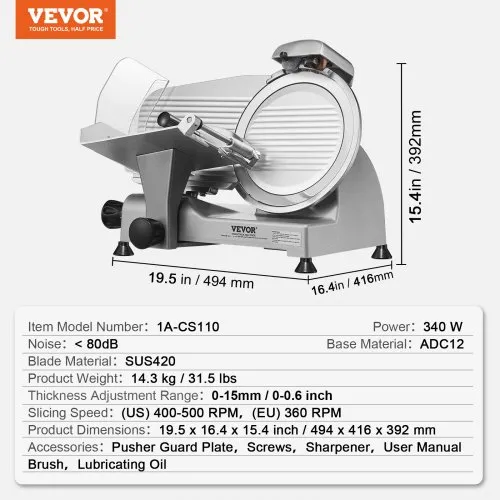
Avoiding overheatingextends the motor’s life. Keep the slicer motor clean and free of dust. Allow it to cool down after long use. Use the slicer in short bursts instead of continuous running. Overheating can cause the motor to burn out quickly.
Proper usage techniquesprevent damage. Always follow the slicer’s instructions. Use the right blade for the food you slice. Avoid forcing the slicer if it feels stuck. Regularly check for loose parts and tighten them.
| Electrical Safety Tips |
|---|
| Unplug the slicer before cleaning or fixing it. |
| Do not use the slicer with wet hands to avoid shocks. |
| Check the power cord for damage regularly. |
| Use a grounded outlet to plug in the slicer. |
Credit: www.vevor.ca
Troubleshooting Common Issues
Motor Not Starting:Check if the slicer is plugged in securely. Make sure the power switch is on. Inspect the fuse or circuit breaker for any issues. Sometimes the motor needs a reset button press. Clean the motor area to remove any dust or debris blocking parts.
Unusual Noises:Strange sounds often mean loose parts or worn bearings. Tighten screws and bolts around the motor. Lubricate moving parts with recommended oil. Avoid using the slicer if the noise continues to prevent damage.
Inconsistent Performance:This can result from dull blades or dirty motor brushes. Sharpen or replace blades regularly. Clean motor brushes and check for wear. Ensure the slicer is on a flat, stable surface to work smoothly.
Professional Servicing
Regular cleaning and lubrication keep a home slicer motor running smoothly. Checking for worn parts prevents breakdowns and extends motor life. Proper care ensures safe, efficient slicing every time.
When To Seek Expert Help
Signs of motor issues include strange noises, burning smells, or the slicer not working. Regular servicing helps avoid big problems. Experts can clean and check parts deeply. If the slicer motor overheats often, call a professional. Don’t wait until the machine stops working.
Choosing A Service Provider
- Select providers with good reviews and experience.
- Check if they specialize in slicer motors.
- Ask about warranties on repairs.
- Ensure they use original parts.
- Look for quick response times.
Cost Considerations
| Service Type | Average Cost | Notes |
|---|---|---|
| Basic Maintenance | $50 – $100 | Cleaning, lubrication |
| Motor Repair | $100 – $200 | Part replacement included |
| Full Motor Replacement | $200 – $400 | New motor installation |
Credit: www.vevor.ca
Frequently Asked Questions
How Often Should I Clean My Home Slicer Motor?
Clean your home slicer motor after every use. This prevents food residue buildup and ensures smooth operation. Regular cleaning extends the motor’s lifespan and maintains hygiene.
What Lubricant Is Best For Slicer Motor Maintenance?
Use food-safe lubricant specifically designed for kitchen appliances. Apply sparingly to motor bearings to reduce friction and wear. Avoid over-lubrication to prevent motor damage.
How Can I Prevent Motor Overheating In My Slicer?
Avoid prolonged continuous use to prevent overheating. Allow the motor to cool down between slicing sessions. Ensure proper ventilation around the slicer for heat dissipation.
When Should I Replace The Slicer Motor Parts?
Replace motor parts if you notice unusual noise, vibration, or reduced performance. Regular inspections help identify worn components early. Timely replacement prevents complete motor failure.
Conclusion
Maintaining your home slicer motor keeps it working well longer. Clean the motor regularly and check for any wear. Use the slicer as instructed to avoid damage. Small fixes prevent costly repairs later. A well-kept motor means safer, smoother slicing every time.
Take a little time now to save trouble in the future. Your slicer will thank you with better performance and durability. Simple care makes a big difference. Keep your kitchen tools ready for all your slicing needs.