
If you use a heavy duty meat slicer regularly, you know how important it is to keep it working smoothly. A well-maintained slicer saves you time, keeps your cuts precise, and ensures safety every time you use it.
But how do you make sure your slicer stays in top shape? You’ll discover simple, effective steps to maintain your heavy duty meat slicer. Follow these tips, and you’ll avoid costly repairs, extend the life of your machine, and get the best performance every time.
Keep reading to learn how easy it is to protect your investment and keep your kitchen running like a well-oiled machine.
Choosing The Right Meat Slicer
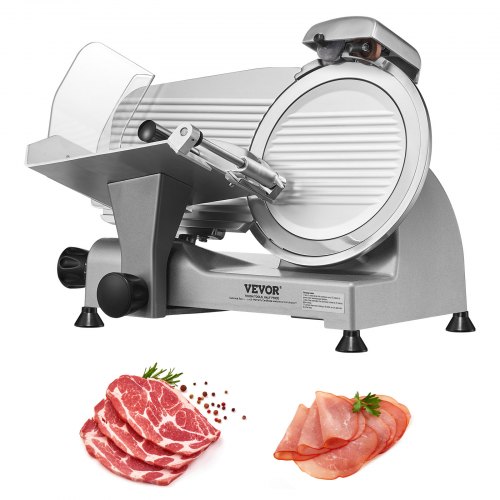
Heavy duty meat slicers come in different types. There are manual, automatic, and semi-automatic slicers. Manual slicersneed hand operation and are good for small jobs. Automatic slicersuse electric motors and save effort. Semi-automatic slicerscombine both, offering control and speed.
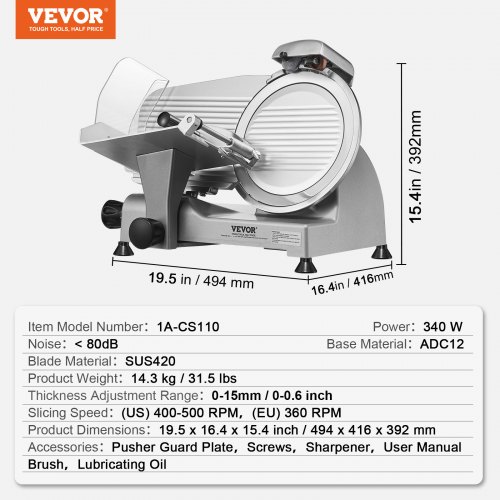
Some key features to consider include the blade size, motor power, and ease of cleaning. A larger blade cuts more meat at once. Strong motors handle tough meat better. Easy cleaning parts help keep the slicer safe and long-lasting.
| Feature | Why It Matters | Recommended Choice |
|---|---|---|
| Blade Size | Determines how thick or thin meat slices can be | 10-14 inches for heavy duty use |
| Motor Power | Helps cut through tough meat smoothly | At least 0.5 HP for heavy tasks |
| Cleaning Ease | Prevents bacterial growth and keeps slicer safe | Removable parts and smooth surfaces |
Credit: www.vevor.ca
Daily Cleaning Routine
Unplug the slicer before cleaning. Ensure your hands are dry. Gently remove the blade guard and blade. Keep all parts organized. Use caution; blades are sharp.
Wash each part with warm, soapy water. Use a soft cloth to scrub. Rinse thoroughly to remove soap. Dry each component with a clean towel. Avoid water in the motor area.
Mix a sanitizing solution as per instructions. Wipe down all surfaces with the solution. Let components air dry completely. Reassemble the slicer carefully. Ensure all parts fit securely.
Blade Maintenance
Sharpeningkeeps the blade cutting smoothly. Use a sharpening stone or tool made for meat slicers. Always clean the blade before sharpening. Hold the blade at the right angle. Move the sharpener evenly along the edge. Repeat until the blade feels sharp. Regular sharpening stops the blade from getting dull and saves energy.
Replacing bladesis important when sharpening no longer helps. Signs include chips, cracks, or deep rust. Blades that are bent or have uneven edges must be changed. Using a bad blade can damage food and the slicer. Keep a record of blade use to know when to replace it.

Credit: www.vevor.ca
Lubrication And Mechanical Care
Lubricating moving partskeeps the meat slicer working smoothly. Use food-safe lubricant on the blade shaft, gears, and sliding components. This reduces friction and stops parts from wearing out too fast. Apply lubricant regularly, especially after cleaning.
Check for any wear and tearon the blade, motor, and other parts. Look for cracks, rust, or loose screws. Replace damaged parts quickly to keep the slicer safe and efficient. A worn blade can cut unevenly and cause accidents.
| Maintenance Task | What to Do | Why It Matters |
|---|---|---|
| Lubricating moving parts | Apply food-safe lubricant to blade shaft and gears | Reduces friction and wear for smooth operation |
| Checking for wear and tear | Inspect blade, motor, screws; replace damaged parts | Keeps slicer safe and cuts evenly |
Safe Storage Practices
The bladeof a heavy duty meat slicer must be protectedfrom damage. Cover it with a blade guard or sheath to avoid dulling or accidents. Store the slicer in a place where it won’t get bumped or scratched. Keep it dry to stop rust from forming.
Choose a cooland dryspot for storage. Avoid places with high humidity or direct sunlight. These can harm the slicer parts and reduce its life. Make sure the slicer is unplugged and clean before storing.
- Use blade covers for safety and protection.
- Keep slicer in a dry, cool place.
- Avoid storing near water or heat.
- Clean slicer thoroughly before storing.
Troubleshooting Common Issues
Uneven slicesoften mean the blade is dull or dirty. Check the blade for any food bits or rust. Clean it with a soft cloth and a little oil. Sharpen the blade regularly to keep slices even. Also, check if the meat is placed correctly on the carriage. Uneven pressure can cause bad cuts. Adjust the thickness control knob to get the desired slice thickness.
Motor problemscan stop the slicer from working well. Make sure the slicer is plugged in properly. Check the power switch and fuse for any issues. Overheating might cause the motor to stop. Let it cool down before using again. If the motor makes strange noises, it might need professional repair. Regular cleaning helps the motor run smoothly.
Professional Servicing Tips
Schedule expert maintenance every 6 to 12 months for heavy duty meat slicers. Frequent use or heavy workload may require quicker check-ups. Regular service helps keep blades sharp and machines safe. Professionals clean and lubricate hard-to-reach parts. They check electrical systems and replace worn components. This prevents breakdowns and costly repairs.
Finding reliable service providers is key. Choose certified technicians with good reviews. Ask about experience with your slicer brand. Verify if they offer emergency support or quick response times. Request a clear list of service tasks and costs upfront. Trustworthy providers ensure your slicer works well and lasts longer.

Credit: www.braher.com
Frequently Asked Questions
How Often Should I Clean A Heavy Duty Meat Slicer?
Clean your heavy duty meat slicer after every use. This prevents bacteria buildup and maintains hygiene. Use warm soapy water and food-safe sanitizer. Regular cleaning ensures safe food preparation and extends slicer lifespan.
What Is The Best Lubricant For Meat Slicers?
Use food-grade lubricant specifically designed for meat slicers. This prevents blade rust and keeps parts moving smoothly. Avoid non-food-safe oils to ensure safety and compliance with health standards.
How Do I Sharpen A Heavy Duty Meat Slicer Blade?
Use the built-in sharpener or a professional sharpening stone. Follow the manufacturer’s instructions carefully for safety. Regular sharpening keeps cuts precise and reduces wear on the motor.
Can I Use A Dishwasher To Clean Meat Slicer Parts?
No, avoid dishwashers for heavy duty meat slicer parts. Hand wash with warm soapy water to prevent damage. Dry all components thoroughly to avoid rust and ensure durability.
Conclusion
Maintaining your heavy duty meat slicer keeps it working well longer. Clean it after each use to stop dirt buildup. Sharpen the blade regularly for smooth, even cuts. Check parts often and fix or replace any worn ones. Proper care saves money and time on repairs.
A well-kept slicer makes food prep easier and safer. Remember, small efforts now prevent big problems later. Keep your slicer ready for every kitchen task. Simple steps make a big difference in performance.