

Your commercial slicer motor is the powerhouse behind smooth, efficient slicing. But without proper care, it can wear out fast, causing costly downtime and repairs.
You want your slicer to work like new every day, right? This guide will show you simple, effective ways to maintain your slicer motor so it stays reliable and strong. Keep reading to discover easy tips that save you time, money, and headaches.
Choosing The Right Motor
Commercial slicer motors come in different types. The most common are AC motorsand DC motors. AC motors are strong and reliable but use more power. DC motors offer better speed control and use less energy.
Choosing the right motor depends on some key features. Look at the power ratingto ensure it can handle the workload. Check the speedto match the slicing needs. Also, consider the durabilityof the motor for long-term use.
| Type | Power Usage | Speed Control | Best For |
|---|---|---|---|
| AC Motor | Higher | Limited | Heavy-duty slicing |
| DC Motor | Lower | Excellent | Variable speed slicing |
Regular Cleaning Practices
Keep the slicer motor clean to ensure it works well. Wipe the motor surface with a soft, damp cloth every day. Remove crumbs and food bits to stop buildup. Avoid using too much water near the motor to prevent damage. Clean the blade and guard carefully to avoid injury.
For deep cleaning, unplug the slicer first. Use a mild soap solution and a soft brush to clean hard-to-reach areas. Dry all parts well before reassembling. Check for any signs of wear or damage. Lubricate moving parts as needed to keep the motor running smoothly.
Lubrication Tips
Choosing the right lubricanthelps keep the motor running smooth. Use lubricants made for electric motorsor machine parts. Avoid thick grease as it can slow the motor.
Oils with low viscositywork best. They move easily into small parts and reduce wear. Look for lubricants labeled light machine oilor electric motor oil.
| Type of Lubricant | Best For |
|---|---|
| Light Machine Oil | Small moving parts, low friction |
| Electric Motor Oil | Motors needing quick lubrication |
| Silicone Lubricant | Water resistance and smooth motion |
Lubricate the motor every 3 to 6 monthsdepending on use. More frequent lubrication is needed in dusty or humid places.
- Check motor condition monthly.
- Add lubricant when noise or heat increases.
- Do not over-lubricate; excess can attract dirt.
Inspecting For Wear And Tear
Common signs of motor damage include strange noises and slow slicing. Look for smoke or burning smells. Watch for the motor overheating or shutting down suddenly. Vibrations or shaking also show wear and tear.
Parts to monitor closely:
- Bearings:Check for smooth rotation and noise.
- Brushes:Look for wear or sparking.
- Motor windings:Inspect for burns or discoloration.
- Cooling fan:Ensure it spins freely and is clean.
Preventing Overheating
Cooling the motorhelps stop overheating. Fans or vents let air flow inside. This flow keeps the motor cool and safe.
Place the slicer in a well-ventilated area. Avoid tight spaces where heat builds up.
- Turn off the slicer for breaks.
- Do not run the slicer for too long.
- Use the slicer only as needed.
- Give the motor time to cool between uses.
Using the motor too much causes heat damage. Rest periods extend motor lifeand keep it working well.

Credit: www.braher.com
Electrical Safety Checks
Check the wiringfor any signs of wear. Look for loose wires. Ensure no wires are exposed. Use a flashlight to see better. Inspect connections for tightness. Replace damaged wires immediately. Call a professional for help if needed.
Always unplug the slicer when not in use. Avoid touching wet hands to the plug. Use outlets with proper grounding. Never overload the power outlet. Use the slicer on a flat, dry surface. Keep the slicer away from water sources. Ensure that cords are not tangled or twisted.
Scheduling Professional Maintenance
Call a technician if the slicer motor makes strange noises or stops working. Regular checks help find small issues early. A pro can clean and lubricate parts to keep the motor smooth. Electrical problems or unusual vibrations also need expert attention. Avoid using the slicer if it feels hot or slow.
Regular servicing keeps the motor running longer and safer. It prevents costly repairs and sudden breakdowns. Servicing also improves slicer performance and food safety. Scheduled maintenance saves money by avoiding emergency fixes. Trust skilled technicians to keep your slicer in top shape.

Credit: manuals.plus
Storing The Slicer Motor Properly
Store the slicer motor in a dryand cool place. Avoid spots with high humidityor direct sunlight. The temperature should stay between 50°F and 77°F (10°C and 25°C). This helps stop rustand damage.
Before storing, clean the motor with a soft cloth. Remove all dirtand food particles. Check for any loose partsand tighten them gently. Cover the motor with a dust-proof clothor plastic wrap to keep it clean.
- Drain any leftover oil or liquids.
- Keep the motor upright to avoid leaks.
- Disconnect from power to prevent accidents.
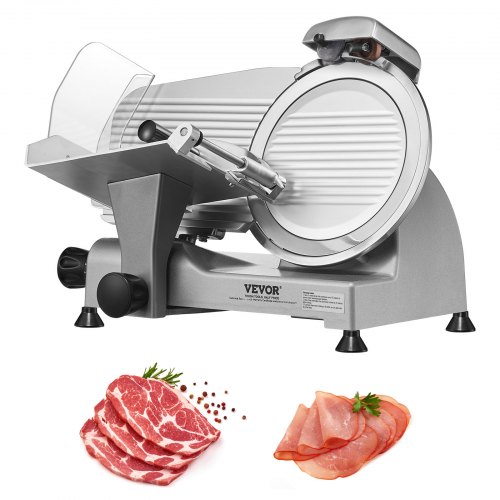
Credit: www.vevor.ca
Frequently Asked Questions
How Often Should I Clean A Commercial Slicer Motor?
Clean the slicer motor after every use to prevent debris buildup. Regular cleaning ensures smooth operation and extends motor life. Use a soft cloth and approved cleaning agents to avoid damage.
What Lubricant Is Best For Slicer Motor Maintenance?
Use food-safe lubricants specifically designed for commercial slicer motors. These lubricants reduce friction and wear, ensuring smooth motor function. Avoid using regular oils that may contaminate food or damage components.
How Do I Check For Motor Overheating Issues?
Monitor the motor temperature during operation. If it feels excessively hot, turn off the slicer and allow it to cool. Overheating may indicate worn parts or inadequate ventilation, requiring professional inspection.
When Should I Replace The Slicer Motor Brushes?
Replace motor brushes when you notice sparking, reduced performance, or unusual noises. Regularly inspect brushes for wear to maintain efficient motor function and prevent damage.
Conclusion
Maintaining your commercial slicer motor helps it work longer and better. Clean the motor regularly to stop dirt build-up. Check parts often for any signs of wear or damage. Lubricate moving parts to keep the motor running smooth. Follow these simple steps to avoid costly repairs.
A well-kept slicer motor saves time and money. Keep your equipment safe and efficient every day. Small efforts lead to big results in machine care. Don’t wait for problems—stay ahead with regular maintenance. Your slicer motor will thank you with reliable service.