
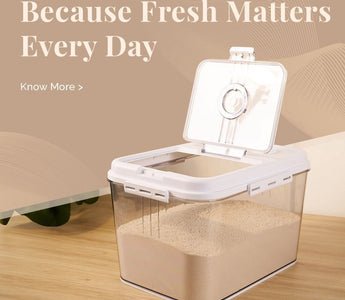
Are you tired of struggling with lids that just won’t stay sealed? An airtight lid is key to keeping your food fresh, your drinks spill-free, and your storage organized.
But how do you make sure your lids stay tight and reliable every time you use them? You’ll discover simple, practical tips that anyone can follow. By the end, you’ll know exactly how to maintain your airtight lids so they work perfectly whenever you need them.
Keep reading—you won’t want to miss these easy tricks that save you time and frustration.
:max_bytes(150000):strip_icc()/rubbermaid-brilliance-pantry-10-piece-set-035c801dc5e24f7faf5a700dccafd8ba.jpg)
Credit: www.allrecipes.com
Choosing The Right Lid
Choosing the right lidis key for keeping food fresh and safe. Materials that seal well include silicone, rubber, and plastic with tight edges. These materials create a strong seal that stops air from getting inside.
Size and fit matter a lot. A lid must fit snuglyon the container. Too small or too large lids let air in, making food spoil faster. Always check the container’s diameter before buying a lid.
| Type of Lid | Description | Best Use |
|---|---|---|
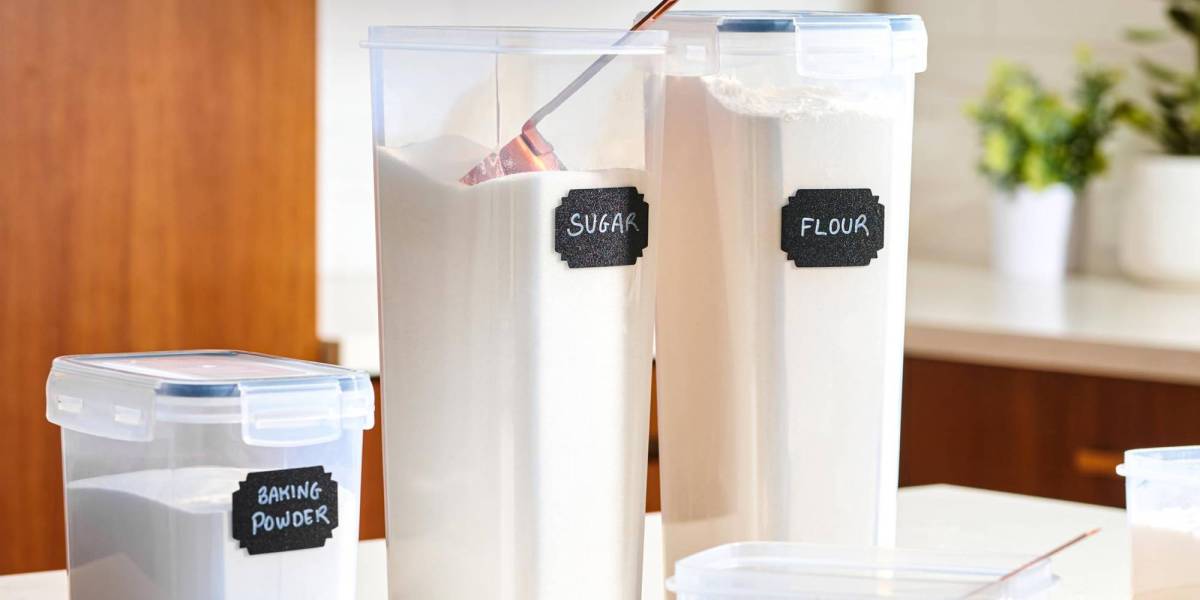
| Snap-on | Clips tightly over container edges | Plastic containers, food storage |
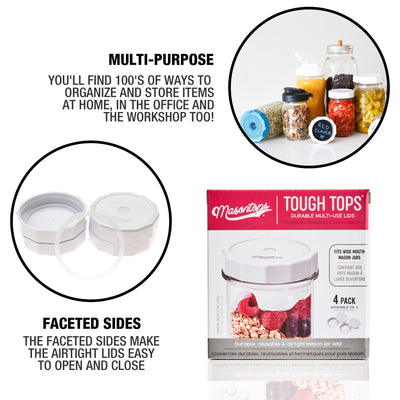
| Screw-on | Twists to seal airtight | Jars, bottles |
| Silicone stretch | Stretches over any shape | Bowls, odd-shaped containers |
Credit: 9to5toys.com
Preparing The Lid And Container
Cleaning the lid and container well helps create a strong seal. Dirt or food bits can stop the lid from closing tightly. Use warm water and soap to clean both parts. Make sure they are dry before closing.
Check the lid and container for any cracks or damage. Even small cracks can cause air leaks. Replace the lid if you find any damage. A perfect lid is key for keeping food fresh.
Align the lid carefully with the container. Make sure the edges match well. Press down firmly but gently until you hear a click or feel resistance. This ensures an airtight sealthat keeps air out and freshness in.
Applying The Lid Correctly
Different lids need different closing methods. Screw-on lids should be twisted until tight.
Snap-on lids must click firmly into place. Press lids evenly to avoid gaps.
Some lids have seals that need alignment before closing. Check the seal for damage before use.
- Apply pressure evenly around the lid’s edge.
- Avoid pressing only one side.
- Make sure the lid fits the container perfectly.
Common mistakes include forcing lids or closing with dirt on the seal. Dirt or debris stops lids from sealing well.
Do not over-tighten lids as this can damage them. Replace worn lids to keep containers airtight.
Maintaining Seal Integrity
Regularly check the lid for cracks or damage. Look at the seal closely for any tears or hard spots. Tighten the lid evenly to keep the seal snug. Avoid over-tightening to stop damage.
Replace seals that show wear or cracks. Choose seals that fit your lid well. Clean the area before installing a new seal for a better fit.
- Store lids in a dry place away from heat.
- Keep seals flat to avoid bending or warping.
- Avoid placing heavy objects on lids or seals.
- Clean seals gently with mild soap and water.
Troubleshooting Seal Issues
Leaks often happen because the seal is dirtyor worn out. Check the lid and container edges for crumbs, dust, or sticky residue. Also, look for cracks or warpingon the lid or container rim. These can stop the lid from closing tightly.
- Clean the seal with warm, soapy water and dry it well.
- Press the lid firmly to make sure it snaps or locks in place.
- Try adjusting the seal or repositioning it if it seems loose.
- Replace any cracked or damaged seals immediately.
A lid should be replaced if it no longer seals well after cleaning. Cracks, warping, or a misshaped seal mean the lid cannot keep air out. Using a broken lid can cause food to spoil faster or leaks to happen. Always check the lid’s condition before storing important items.
Credit: www.masontops.com
Frequently Asked Questions
How Do I Clean An Airtight Lid Properly?
To clean an airtight lid, use warm soapy water and a soft cloth. Avoid abrasive cleaners that damage seals. Rinse thoroughly and dry completely to prevent mold and odors.
What Materials Ensure The Best Airtight Seal?
Silicone and rubber seals provide excellent airtightness. These materials are flexible, durable, and resist wear. They maintain a tight seal to keep contents fresh.
How Often Should I Replace The Airtight Lid Seal?
Replace the seal if it shows cracks, stiffness, or leaks. Regular inspection every few months ensures optimal performance. Timely replacement prevents air leaks and maintains freshness.
Can Airtight Lids Prevent Food Spoilage Effectively?
Yes, airtight lids prevent air exposure, slowing spoilage. They keep moisture and contaminants out, preserving freshness longer. Proper sealing extends the shelf life of stored food.
Conclusion
Maintaining an airtight lid keeps your food fresh longer. Clean the lid and seal regularly for best results. Check for cracks or damage that can cause leaks. Tighten the lid securely but avoid over-tightening. Store containers properly to protect the seal.
Small steps prevent spills and keep air out. With simple care, your airtight lids will work well. Protect your food and save money by doing this. Easy habits make a big difference every day.