

Imagine slicing through a perfectly roasted chicken with ease or crafting delicate, precise cuts on a fresh loaf of bread. The secret behind these effortless culinary tasks often lies in a tool you might overlook: your carving knife.
Maintaining this essential kitchen companion is crucial for achieving those picture-perfect slices and ensuring your safety. But how can you keep your carving knife in top shape without overwhelming yourself with complicated techniques? You’re about to discover the simple steps that will transform your carving experience and prolong the life of your trusty knife.
Stick around, and you’ll learn how to keep your carving knife as sharp as the day you bought it, making every meal preparation a joy.
Choosing The Right Knife
Blade materialaffects sharpness and durability. Stainless steel resists rust but dulls faster. Carbon steel stays sharp longer but can rust.
Different blades suit different needs. Choose based on how often you carve. Think about ease of sharpening too.
- Wood handlesfeel warm and natural.
- Plastic handlesare light and easy to clean.
- Rubber handlesoffer a strong grip, even when wet.
Comfort matters. A good handle lets you control the knife well. Avoid handles that feel slippery or hard to hold.
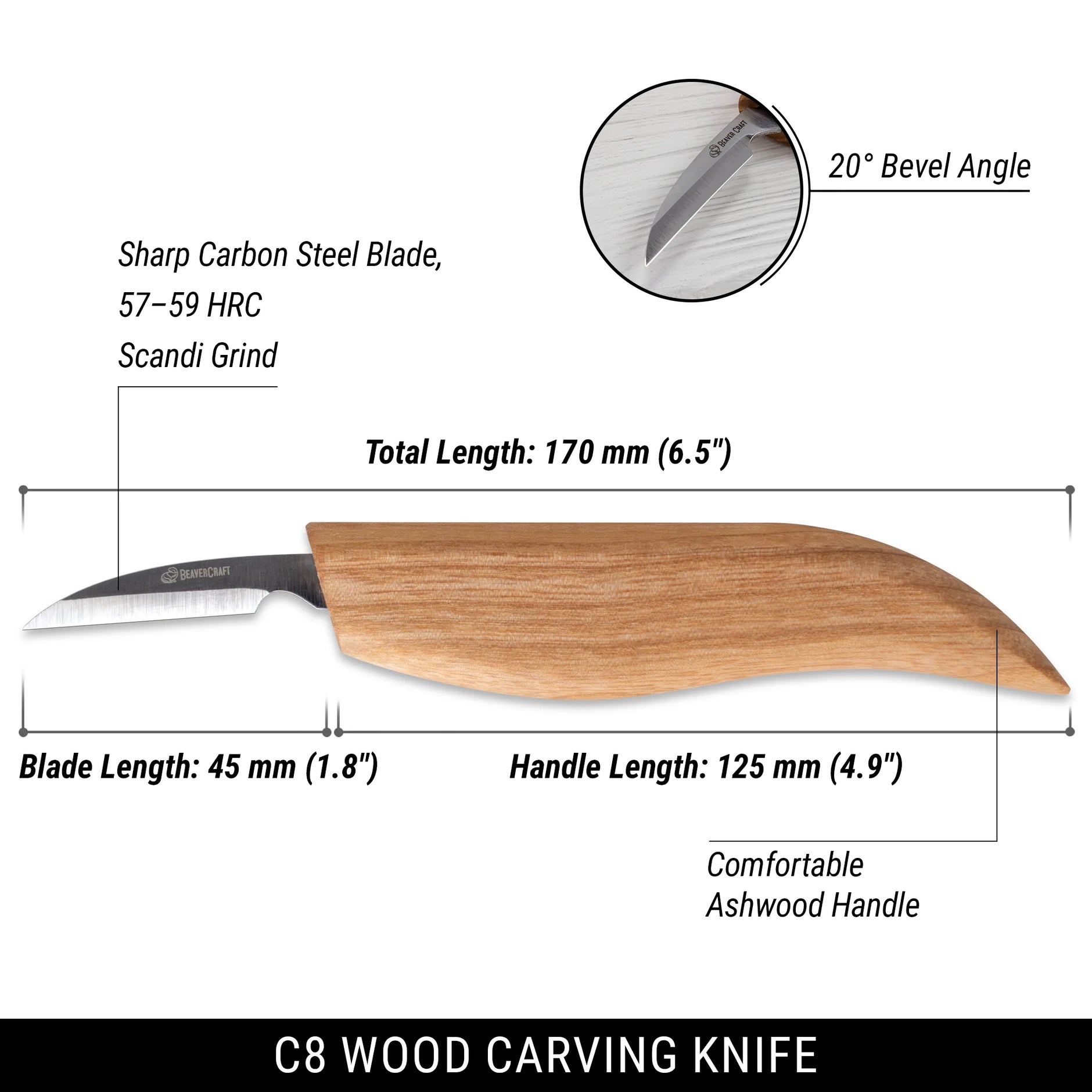
Credit: beavercrafttools.com
Proper Cleaning Techniques
Cleaning a carving knife daily keeps it sharp and safe. Use warm water and mild soap. Avoid soaking the knife for too long. Dry it immediately with a soft cloth to stop rust.
Never put the knife in a dishwasher. The heat and detergent can damage the blade and handle. Use a gentle sponge or cloth, not abrasive pads. Always clean the knife carefully to avoid cuts.
- Rinse with warm water right after use
- Use mild soap, avoid strong chemicals
- Dry the knife fully before storing
- Store in a knife block or sheath
- Sharpen regularly to keep the edge
Sharpening Your Knife
A carving knife should be sharpened when it feels dull or slips while cutting. A sharp knife cuts cleanly and safely.
Best tools for sharpening include:
- Whetstone: Offers precise sharpening.
- Sharpening steel: Maintains the edge between sharpenings.
- Electric sharpener: Quick and easy for beginners.
Follow this process to sharpen your knife:
- Soak a whetstone in water for 5-10 minutes.
- Hold the knife at a 20-degree angle to the stone.
- Slide the blade across the stone, from heel to tip.
- Repeat on the other side the same number of times.
- Use finer grit to polish the edge.
- Test sharpness by slicing soft paper.

Credit: www.youtube.com
Storing Your Carving Knife
Store your carving knife in a dry place to avoid rust. Use a knife block or magnetic strip to keep the blade safe and sharp. Wrapping the knife in a soft cloth also protects it from damage and moisture.
Keep the blade clean and dry before storage. Oil the blade lightly with food-safe mineral oil to prevent rust. Avoid putting the knife in a drawer without protection, as it may cause dulling or accidents.
- Use a dedicated knife sheath for extra safety
- Never store knives loose with other utensils
- Check the knife regularly for signs of rust or damage
Handling And Usage Tips
Use a smooth, steady motion when cutting. Avoid twisting or bending the blade. Always slice in one direction to keep the blade sharp. Use a cutting board made of wood or plastic to protect the edge. Avoid cutting on hard surfaces like glass or stone.
Keep the knife clean and dry after each use. Wipe the blade carefully to prevent rust. Store the knife in a knife block or sheath to avoid damage.
| Avoid | Reason |
|---|---|
| Twisting the blade | Can cause the blade to bend or break |
| Cutting on hard surfaces | Dulls the blade quickly |
| Using the knife as a screwdriver or prying tool | Damages the blade and handle |
| Leaving the knife wet | Leads to rust and corrosion |
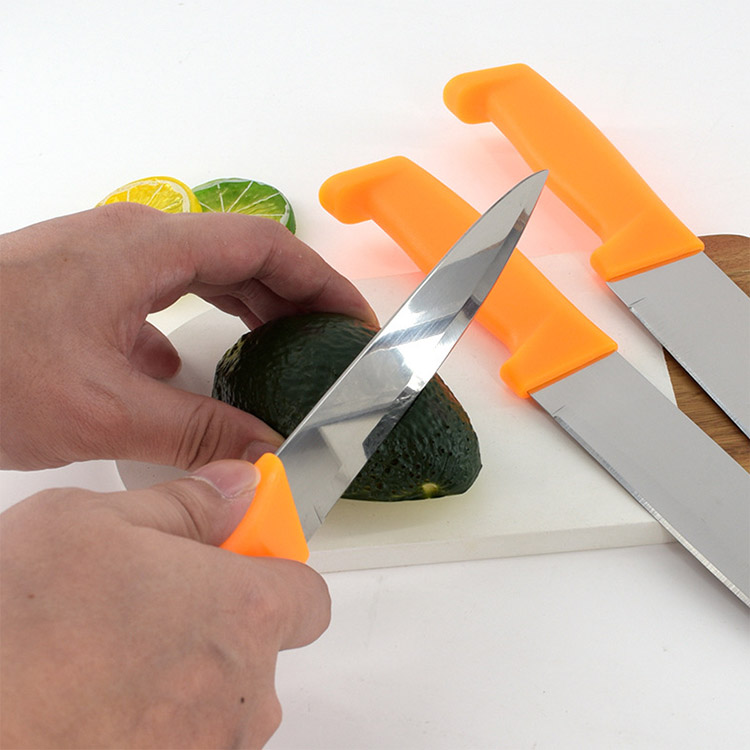
Credit: www.insight-kitchenknife.com
Regular Maintenance Checks
Regular checks help keep a carving knife sharp and safe. Inspect the blade for any chips, cracks, or dull spots. The handle should be tight and free from splinters or cracks. Loose handles can cause accidents.
Parts wear out over time. Replace the blade if it has deep chips or does not sharpen well. Change the handle if it becomes loose or damaged. Also, check the knife guard for any damage.
Here is a quick guide for replacement:
| Part | Signs to Replace |
|---|---|
| Blade | Deep chips, cracks, or dullness that won’t improve |
| Handle | Loose fit, cracks, or splinters |
| Knife Guard | Cracks or breaks |
Frequently Asked Questions
How Often Should I Sharpen My Carving Knife?
Sharpen your carving knife every few uses or when it feels dull. Regular sharpening ensures clean cuts and safer handling. Use a whetstone or sharpening tool suited for your knife type. Avoid over-sharpening, which can wear down the blade prematurely.
What Is The Best Way To Clean A Carving Knife?
Clean your carving knife immediately after use with warm, soapy water. Avoid soaking or using harsh detergents. Dry it thoroughly with a soft cloth to prevent rust and corrosion. Never put your carving knife in the dishwasher.
How Should I Store My Carving Knife Safely?
Store your carving knife in a knife block, magnetic strip, or protective sheath. Proper storage prevents blade damage and protects your hands. Avoid tossing it in drawers where it can get nicked or cause injury.
Can I Use A Honing Rod For My Carving Knife?
Yes, a honing rod realigns the blade’s edge between sharpenings. Use it regularly to maintain sharpness and prolong the knife’s life. Hold the knife at the correct angle and gently stroke the blade along the rod.
Conclusion
Keeping your carving knife sharp and clean helps it last longer. Regularly sharpen the blade with a proper tool. Wash and dry the knife carefully after each use. Store it safely to avoid damage or accidents. Small steps protect your investment and improve cutting performance.
A well-maintained knife makes cooking easier and safer. Simple care routines save time and money in the long run. Trust these tips to keep your carving knife in top shape.