

If you want your heavy duty slicer blade to work smoothly and last longer, knowing how to lubricate it properly is key. Skipping this simple step can lead to dull blades, uneven cuts, and costly repairs.
You’ll discover easy, effective ways to keep your slicer blade running like new. By following these tips, you’ll save time, avoid frustration, and get the best performance from your equipment every time you use it. Keep reading to learn exactly what you need to do to protect your investment and slice with confidence.

Credit: partsfe.com
Choosing The Right Lubricant
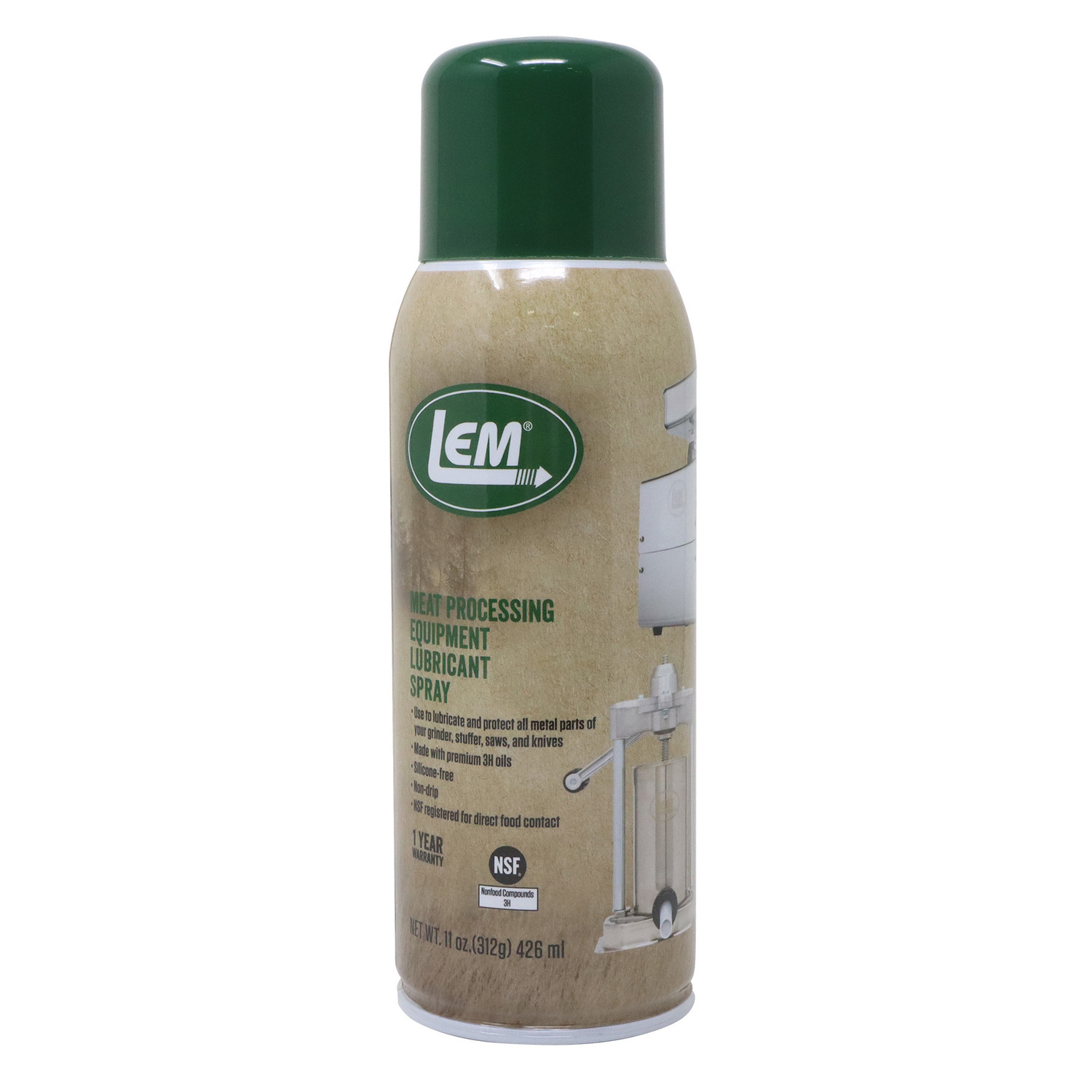
Food-safe lubricantsare essential for heavy duty slicers. They keep the blade moving smoothly without harming food quality or safety. These lubricants are made to meet health standards. Using the right lubricant helps avoid contamination and keeps slicers working longer.
| Type of Lubricant | Description | Best Use |
|---|---|---|
| Food-grade mineral oil | Non-toxic, odorless, and tasteless | General blade lubrication |
| Silicone-based lubricant | Water-resistant and long-lasting | Areas exposed to moisture |
| PTFE (Teflon) lubricant | Low friction and non-stick | High-speed slicer blades |
Avoid lubricants with harmful chemicals or solvents. These can damage blades or food safety. Use only products labeled safe for food equipment. This prevents health risks and keeps slicer blades in good shape.
Preparing The Blade For Lubrication
Clean the blade thoroughly to remove all food particles and debris. Dry the blade completely to prevent rust before applying lubricant. Ensure the slicer is unplugged for safety during preparation.
Cleaning The Blade
First, unplug the slicer for safety. Use a soft, damp cloth to wipe the blade. Remove any food particles stuck on the blade. A small brush can help clean tight spots. Avoid using harsh chemicals. They can damage the blade. Ensure all parts are clean before proceeding.
Drying Procedures
Wipe the blade with a dry cloth. Make sure it’s completely dry. Any moisture left can cause rust. Air drying can take longer. So, use the cloth to speed up the process. Ensure all parts are dry before lubrication.
Safety Precautions
Always wear protective gloves. The blade is sharp and can cut easily. Keep your fingers away from the blade’s edge. Never rush while cleaning or drying. Safety comes first. Ensure the slicer is unplugged at all times during this process.
Step-by-step Lubrication Process
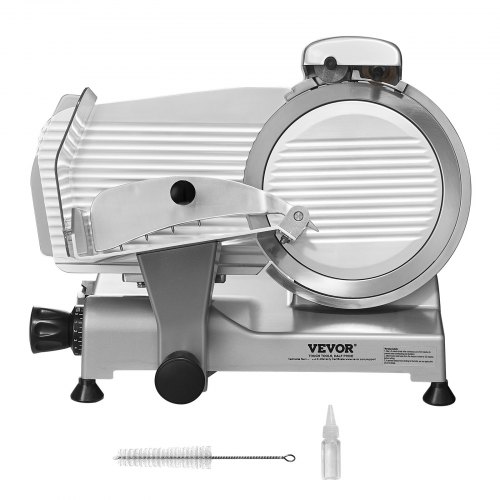
Clean the slicer blade thoroughly to remove debris and residue. Apply lubricant evenly along the blade edge and moving parts. Wipe off excess oil to prevent buildup and ensure smooth operation.
Applying Lubricant Evenly
Spread the lubricant gently on the blade surface. Use a clean cloth or a small brush to ensure even coverage. Avoid using too much lubricant to prevent dripping and mess.
Targeting Blade Bearings
Focus on the blade bearings carefully. Apply lubricant directly to the bearing areas for smooth rotation. This reduces wear and keeps the slicer working well.
Removing Excess Lubricant
Wipe off any extra lubricant with a dry cloth. Excess lubricant can attract dust and dirt. Keeping the slicer clean helps it last longer and stay safe to use.
Credit: www.vevor.ca
Maintenance Tips For Blade Longevity
Regular inspectionhelps find blade wear early. Look for chips, rust, or dull edges. Clean the blade carefully to avoid damage. Check for loose screws or parts that need tightening. A well-maintained blade cuts better and lasts longer.
Maintain a sharpening scheduleto keep the blade sharp. Sharpen the blade after every 8-10 hours of use or when slicing slows down. Use the right tools or get professional sharpening services. A sharp blade reduces the risk of accidents and improves slicing quality.
Storage recommendationsprotect the blade from damage. Store the slicer in a dry place to stop rust. Cover the blade with a protective sheath or guard. Avoid stacking heavy items on top of the slicer. Proper storage keeps the blade safe and ready for use.
Common Mistakes To Avoid
Over-lubricatingcan cause dirt and dust to stick on the slicer blade. This build-up reduces the blade’s sharpness. It also slows down the machine and can cause damage over time. Use only the amount of lubricant recommended by the slicer manufacturer.
Using inappropriate lubricantscan harm the blade and machine parts. Some oils or greases may be too thick or contain harmful chemicals. Always choose lubricants made for food equipment. This keeps the blade safe and working well.
Neglecting safety measuresleads to accidents and injuries. Always turn off and unplug the slicer before applying lubricant. Wear gloves to protect your hands. Follow all safety instructions in the user manual to stay safe.
Credit: lemproducts.com
Frequently Asked Questions
How Often Should I Lubricate A Heavy Duty Slicer Blade?
Lubricate the slicer blade after every cleaning or at least once a week. Regular lubrication prevents rust and ensures smooth operation.
What Type Of Lubricant Is Best For Slicer Blades?
Use food-grade lubricants specifically designed for kitchen equipment. These lubricants are safe, prevent corrosion, and maintain blade performance.
Can I Lubricate The Blade While It’s Still Attached?
Yes, but ensure the slicer is unplugged. Apply lubricant carefully to avoid excess, then wipe off any residue before use.
Why Is Lubricating Slicer Blades Important?
Lubrication reduces friction and wear on the blade. It extends blade life, enhances cutting efficiency, and maintains food safety standards.
Conclusion
Regular lubrication keeps your heavy duty slicer blade sharp and safe. It stops rust and reduces wear over time. Clean the blade before applying oil for best results. Use the right lubricant to avoid damage. Routine care helps your slicer work smoothly every day.
Small steps make a big difference in blade life. Keep your slicer ready for any job with simple maintenance. You save money and time by avoiding blade problems early. A well-lubricated blade cuts better and lasts longer. Easy to do, and worth every effort.