
If you own a commercial slicer, you know how important it is to keep your blade running smoothly. A well-lubricated slicer blade not only cuts better but also lasts longer and works safely.
But how exactly do you lubricate it without causing damage or downtime? You’ll discover simple, step-by-step tips to keep your slicer blade sharp and efficient. By the end, you’ll feel confident maintaining your equipment like a pro—and avoid costly repairs.
Keep reading to unlock the secrets of perfect slicer blade care!

Credit: www.ebay.com
Importance Of Lubricating Slicer Blades
Lubricating slicer bladesis key to keep them working well and safe. It helps blades cut smoothly and stops food from sticking. Without oil, blades may get dull and cause more wear.
Regular lubrication also protects blades from rust and damage. It makes the slicer last longer and saves money on repairs. Clean blades that are well-lubricated work faster and need less effort.
- Reduces friction and blade wear
- Prevents rust and corrosion
- Improves slicing speed and precision
- Extends slicer lifespan
- Makes cleaning easier
Using the right lubricant keeps your slicer safe and efficient. It also helps meet hygiene rules in food places. A well-lubricated blade is a small step for big results.
Choosing The Right Lubricant
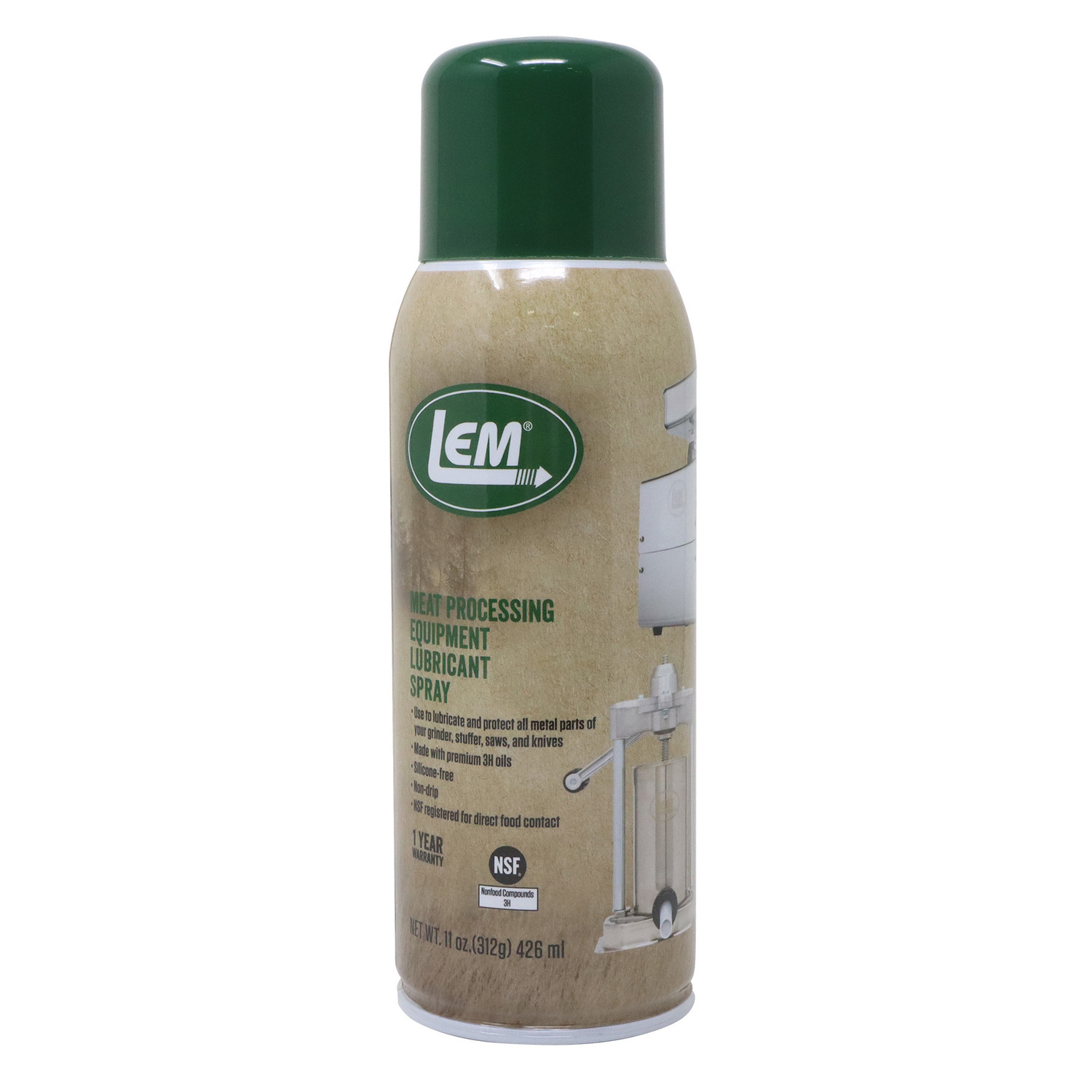
Food-safe lubricantsare essential for commercial slicer blades. These lubricants do not harm food or people. They help keep blades sharpand clean. Using the wrong lubricant can cause contaminationand damageto the slicer.
It is important to avoid lubricants with harmful chemicals. Chemicals like petroleumor solventscan be unsafe. They may leave residueon the blade, which can mix with food. This can cause health risksfor consumers.
- Choose lubricants labeled food-gradeor NSF H1.
- Check for non-toxicand non-flammableproperties.
- Avoid any products with strong smellsor colors.
- Use lubricants that are easy to cleanand apply.
Preparing The Slicer For Lubrication
Ensure the slicer is unplugged and clean before starting lubrication. Remove any food particles and dry the blade thoroughly. This prevents damage and helps the lubricant work better.
Cleaning The Blade
Begin by unplugging the slicer. This ensures safety. Use a soft cloth. Wipe the blade carefully. Remove food bits and grease. A clean blade works better. Avoid harsh chemicals. They might damage the slicer. Warm soapy water is best. Rinse and dry the blade well. This step prevents rusting.
Ensuring Safety Measures
Always wear gloves. They protect your hands. Slicer blades are sharp. Keep fingers away from the edge. Unplug the slicer before cleaning. This prevents accidents. Read the slicer manual. Follow specific safety tips. Keep a first-aid kit nearby. It helps in case of minor cuts. Safety first, always.
Step-by-step Lubrication Process
Apply a thin layer of food-safe lubricantalong the blade edge. Use a clean cloth or brush to spread it evenly. Avoid over-lubrication; excess lubricant can attract dirt.
Move the blade gently by hand to check its smoothness. Ensure the blade rotates without resistance or noise. This confirms that the lubricant is working properly.
Maintenance Tips For Longevity
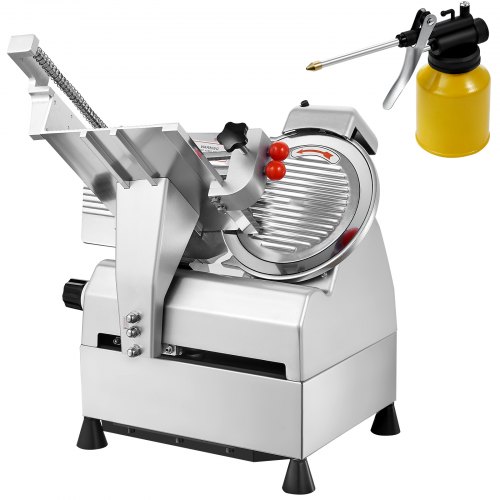
Regular lubrication keeps the slicer bladesharp and running smoothly. Apply food-safe oil after each cleaning to prevent rust and wear. A consistent schedule helps avoid blade damage and extends its life.
Check the blade for signs of wear like dull edges or uneven cuts. If slicing becomes difficult or the blade looks chipped, it’s time for maintenance. Sharp blades improve safety and food quality.
Credit: www.vevor.com
Common Mistakes To Avoid
Avoid using the wrong type of lubricant. Some oils can damage the blade or food. Never use too much oil; excess lubricant attracts dust and dirt. Skipping regular cleaning before lubrication can cause buildup and reduce blade life. Applying oil to a moving blade is dangerous and can cause injury. Avoid using cooking oils; they can go rancid quickly. Using abrasive tools to clean the blade may cause scratches and dullness. Not following the slicer manufacturer’s instructions can lead to poor maintenance. Always ensure the blade is dry before applying lubricant to prevent rust. Avoid forgetting to lubricate other moving parts like gears or bearings.
Credit: lemproducts.com
Frequently Asked Questions
How Often Should I Lubricate A Commercial Slicer Blade?
Lubricate your commercial slicer blade after every cleaning or at least once daily. This prevents rust and ensures smooth operation. Regular lubrication extends blade life and maintains slicing precision.
What Type Of Lubricant Is Best For Slicer Blades?
Use food-grade, non-toxic lubricants specifically designed for kitchen equipment. These lubricants prevent contamination while protecting the blade from corrosion and wear. Avoid using regular oils or grease that can harm food safety.
Can I Lubricate The Blade Without Removing It?
It’s best to remove the blade before lubrication to avoid uneven application. Cleaning and inspecting the blade separately ensures thorough lubrication and reduces food residue buildup. Safety is also improved when the blade is removed.
What Are The Signs My Slicer Blade Needs Lubrication?
If the blade feels sticky, noisy, or slices unevenly, it needs lubrication. Dullness and rust spots also indicate insufficient lubrication. Regular checks help maintain optimal performance and safety.
Conclusion
Regularly lubricate your commercial slicer blade to keep it sharp and safe. Clean the blade well before applying lubricant. Use the right oil to avoid damage and rust. Take your time and work carefully to protect the machine. Proper care helps your slicer last longer and work better.
Small steps make a big difference in daily use. Follow these tips to keep your slicer in top shape. Simple actions prevent costly repairs and downtime. Stay consistent and enjoy smooth slicing every day.