

Are you ready to make your next barbecue or meal truly unforgettable? Knowing how to load skewers properly can be the difference between perfectly cooked, juicy bites and unevenly grilled, frustrating results.
You might think it’s just about threading food onto sticks, but there’s a smart way to do it that saves time, enhances flavor, and keeps everything from falling apart on the grill. Keep reading, and you’ll discover simple tips that anyone can use to master the art of skewering like a pro.
Your taste buds—and your guests—will thank you.
Choosing The Right Skewers
Metal skewersare reusable and heat up quickly. They cook food evenly and are easy to clean. Wooden skewersare cheap and disposable. Soak them in water before use to stop burning.
Choose skewers based on the food type and cooking style. Metal skewers suit dense foods like meat chunks. Wooden skewers work well for vegetables and softer items.
| Skewer Size | Best For |
|---|---|
| 6-8 inches | Small bites, vegetables |
| 10-12 inches | Mixed foods, larger pieces |
| Flat shape | Prevents food from spinning |
| Round shape | Easy to slide food on and off |

Credit: pinchandswirl.com
Preparing Ingredients For Skewers
Cut meat and vegetables into similar-sized pieces. This helps them cook evenly. Choose firm vegetables like peppers, onions, and mushrooms. Use tender cuts of meat such as chicken breast, beef sirloin, or pork loin.
Marinate ingredients to add flavor and make meat tender. Use simple marinades with oil, acid (like lemon juice or vinegar), and spices. Soak meat for at least 30 minutes, but not more than 4 hours. Vegetables need less time, about 15-30 minutes.
- Cut pieces about 1 to 1.5 inches wide
- Keep similar sizes for even cooking
- Use firm veggies and tender meat cuts
- Marinate with oil, acid, and spices
- Soak meat 30 minutes to 4 hours
- Soak vegetables 15 to 30 minutes
Loading Skewers Efficiently
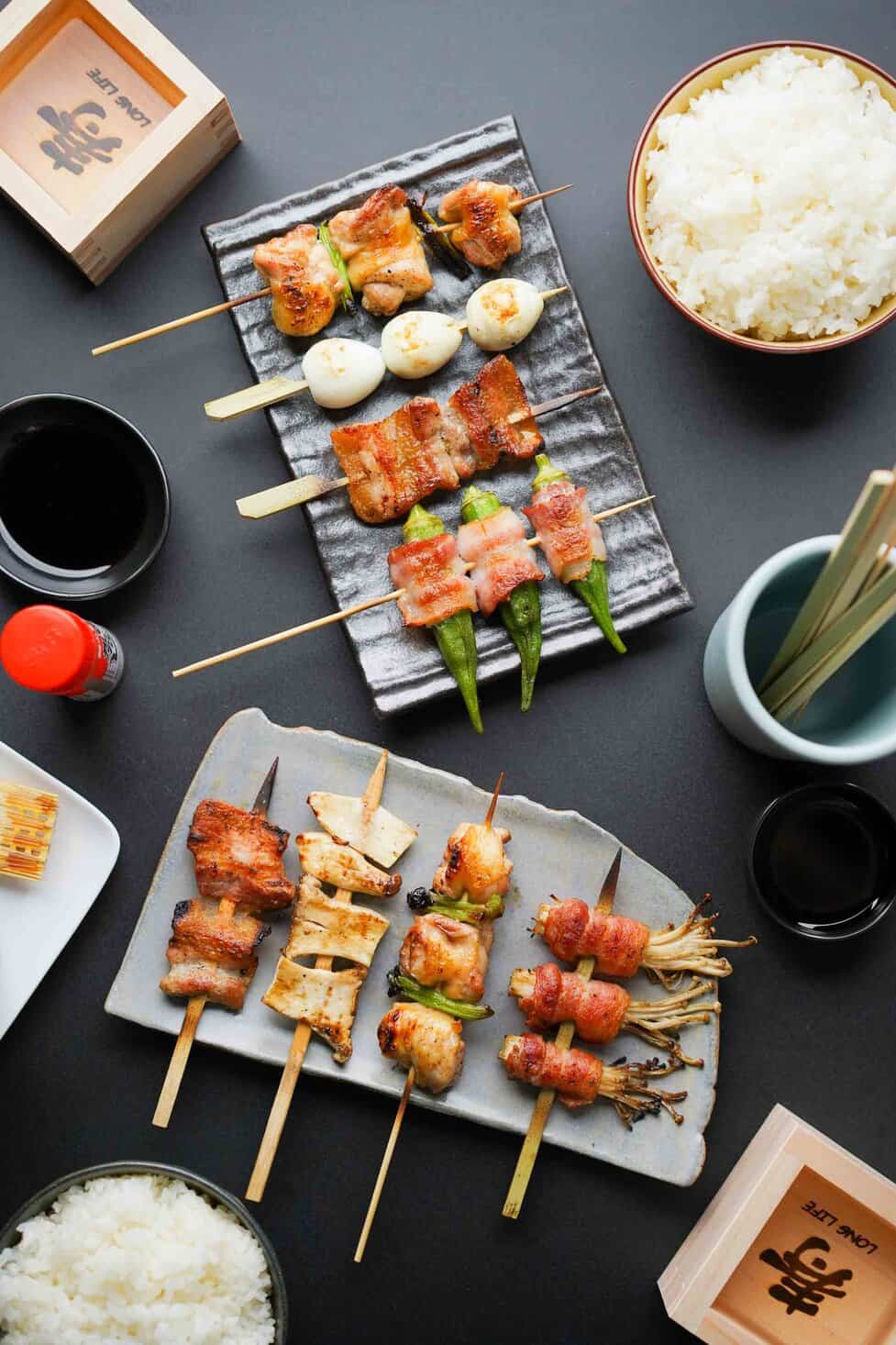
Balancing meat and veggies on skewers helps them cook evenly. Use pieces that are similar in size for uniform cooking. Alternate between meat and vegetables to keep flavors mixed. This also makes the skewer look colorful and tasty.
Avoid overcrowding by leaving small gaps between pieces. Crowded skewers cook unevenly and take longer. Air can flow better, helping food cook faster and stay juicy.
Secure ingredients firmly on the skewer to prevent slipping. Push pieces close but not too tight. This keeps food stable while turning on the grill or oven. Wooden or metal skewers work well for holding everything in place.
Credit: www.hungryhuy.com
Tips For Even Cooking
Place different ingredients on the skewer by alternatingbetween meat, vegetables, and fruits. This helps each piece cook evenly and adds flavor. For example, put a piece of chicken, then a bell pepper, then onion, and repeat.
Keep all the pieces similar in size. This makes sure everything cooks at the same time. If pieces are too big or too small, some may burn while others stay raw.
- Cut meat and veggies into equal chunks.
- Use firm vegetables that hold their shape.
- Thread pieces snugly but not too tight.
- Leave a little space for heat to circulate.
Handling Skewers On The Grill
Place skewers evenly on the grill to cook food well. Keep space between each skewer for heat flow. Turn skewers gently to cook all sides evenly. Use tongs to avoid burning your hands. Turning often helps food cook without burning.
Use heat zones by making parts of the grill hot and others cooler. Start cooking on the hot side for a nice sear. Move skewers to the cooler side to finish cooking without burning. This helps control the cooking speed and keeps food juicy.
Safety And Cleanup
Preventing burnsis very important while handling hot skewers. Always use heat-resistant glovesor tongs to move them. Keep children and pets away from the cooking area to avoid accidents. Use a sturdy surface to place skewers after cooking to prevent tipping and burning yourself or others.
Prevent contaminationby using separate plates for raw and cooked food. Never place cooked food back on the plate that held raw meat. Wash your hands well before and after handling raw meat or vegetables. This helps stop germs from spreading.
Cleaning skewers right after use keeps them in good shape. Soak metal skewers in warm, soapy water for 10-15 minutes. Use a brush to scrub off any stuck food. Rinse thoroughly and dry completely to avoid rust. Wooden skewers can be discarded after use to avoid splinters or mold.

Credit: thelemonbowl.com
Frequently Asked Questions
How Do I Choose The Right Skewers?
Selecting the right skewers depends on your cooking method. Metal skewers are reusable and heat-resistant. Bamboo skewers are disposable and budget-friendly. Ensure bamboo skewers are soaked in water before use to prevent burning. Choose skewers of appropriate length for your grill or oven to ensure even cooking.
Should I Marinate Before Loading Skewers?
Yes, marinating before loading skewers enhances flavor. Marinate meats and vegetables for at least 30 minutes. This helps to infuse flavors deeply. Use a marinade with oil, acid, and seasoning. Always refrigerate while marinating to maintain food safety. Avoid over-marinating as it can break down proteins too much.
What Is The Best Way To Load Skewers?
Alternate meats and vegetables for balanced cooking. Leave small gaps between pieces for even heat distribution. Do not overcrowd the skewer to ensure thorough cooking. Thicker items should be spaced apart to cook evenly. Consider the cooking times of each ingredient to avoid overcooking or undercooking.
How Can I Prevent Food From Spinning On Skewers?
Use flat metal skewers to prevent spinning. If using round skewers, pierce ingredients twice to stabilize them. Thread ingredients tightly to minimize movement. For bamboo skewers, choose thicker ones for better grip. Avoid overloading skewers, as weight can cause spinning during cooking.
Conclusion
Proper skewer loading ensures even cooking and better flavor. Arrange ingredients with care and space for heat flow. Avoid overcrowding to cook food thoroughly and safely. Rotate skewers often to prevent burning on one side. Follow these simple steps for tasty, well-cooked skewers every time.
Enjoy your grilled meals with confidence and ease. Keep practicing to improve your skewer skills quickly.